

- Ocena BGG
- 6,5
Basilica: Festum Fatuorum
- 2 graczy
- 45 min
- Złożoność 2,3/5
- 2012
2010
Pomoc w zasadach gry Basilica
Zrozumiałe wyjaśnienia tur, efektów kart i spornych sytuacji z odnośnikami do oficjalnych źródeł i zapisaną historią pytań.
Dla 2 graczy
Co chcesz wiedzieć?
Odpowiedzi pochodzą z oficjalnej instrukcji, ze stroną do sprawdzenia.
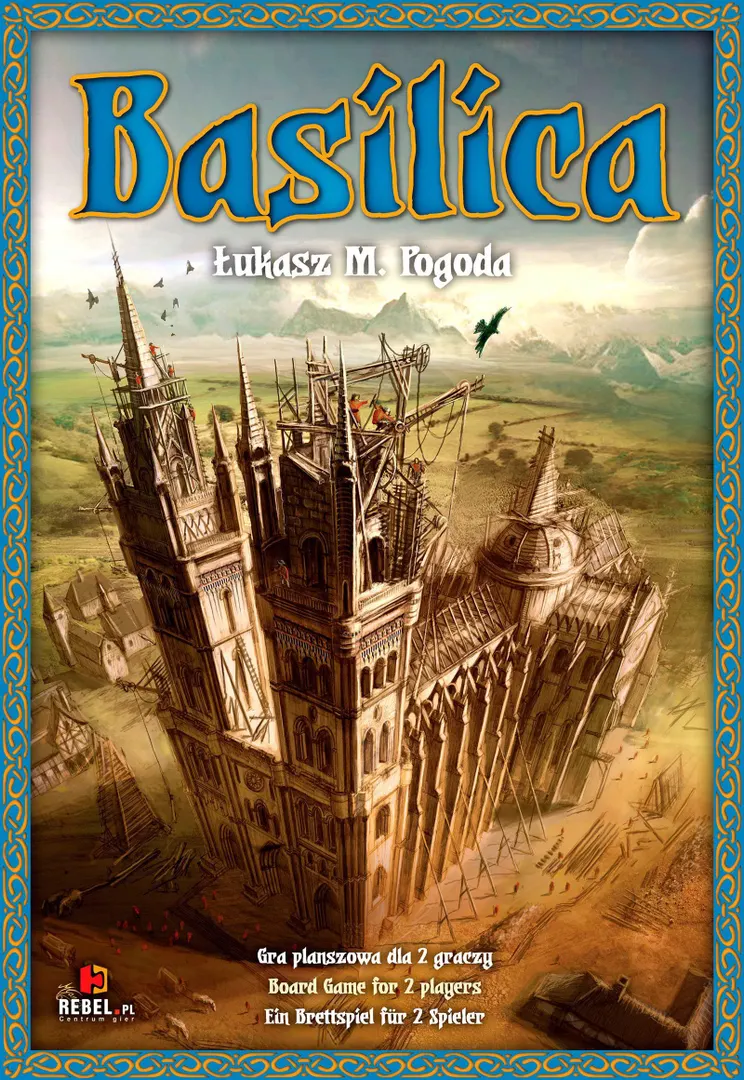
Basilica to gra planszowa wydana w 2010 roku dla 2 graczy, z rozgrywką trwającą 45 minut i dla osób od 10 lat. Projekt gry: Łukasz M. Pogoda. Główne mechaniki: Area Majority / Influence, Tile Placement i Modular Board.








Po angielsku
Basilica, a game for 2 players, presents the duel of two medieval master masons who are ordered to build a medieval cathedral together. Players are planning cathedral layout and overseeing work at the construction site in tandem, in the same time trying to gain advantage over the opposite player. The temple is built by laying square tiles adjacent to the board or already built tiles. Tiles form the plan of the cathedral. These tiles, distinguished by four colors, represent different elements of the cathedral. The pool of tiles available to players is random. Later, the players place pawns on the tiles – these pawns are the teams of builders: foremen, masons and carpenters, who will make the design a reality. The players strive to achieve two goals: to lay their cathedral tiles so as to create the largest possible areas representing a single color, and to have more pawns in these areas than their opponent. Every tile bears also one special action that could be played instead of adding a tile to the cathedral. Using these actions player may move pawns from tile to tile, promote them (increasing their value) or manipulate the tiles. Execution of specific order excludes the tile from being used as part of cathedral, so choice between expanding the edifice and making some action is strategic. Planning and optimal use of available resources is important, as both participants share the same selection of tiles. Thus, tiles and actions shown on them not used by the player in her or his turn become immediately available to his opponent. Some tiles trigger movement of a special King pawn, which moves along the scoring track. Every few moves, the King pawn comes to a space indicating a royal visit to the cathedral. During each royal visit, the progress of work is assessed and Victory Points are assigned to the players. The number of VPs each player is awarded depends on the size and number of the areas controlled by their pawns at the moment of scoring. The more areas the player controls, and the bigger these are, the greater the reward for the player. At the end of the game, the winner is the player who has claimed more Victory Points. Basilica was reissued in 2022 in a new version that includes the expansion.
Według katalogu Basilica obsługuje 2 graczy. To liczba graczy podana przez wydawcę, więc gra jest zaprojektowana dokładnie dla takiej liczby uczestników. Warianty dla grup innej wielkości, jeśli w ogóle istnieją, opisano w instrukcji twojego wydania; sprawdź ją uważnie, zanim przygotujesz inną konfigurację stołu.
Podany czas rozgrywki w Basilica wynosi 45 minut. To szacunek wydawcy dla pełnej partii. Rzeczywisty czas zależy od grupy, liczby graczy i znajomości zasad: pierwsze partie zwykle trwają dłużej, a doświadczone grupy kończą szybciej. Przygotowanie gry i tłumaczenie zasad nie są wliczone w ten szacunek.
Katalog podaje dla Basilica wiek od 10 lat. To zalecenie wydawcy, które uwzględnia wymagania dotyczące czytania, złożoność zasad i drobne elementy, a nie tylko tematykę. Młodsi gracze często mogą dołączyć z pomocą dorosłego; sprawdź zalecenie wiekowe swojego wydania i weź pod uwagę doświadczenie grupy z grami planszowymi.
Basilica ma ocenę złożoności 2,3 na 5 według graczy BoardGameGeek, co czyni ją grą raczej lekką. Ocena pokazuje, ile znajomości zasad, planowania i podejmowania decyzji wymaga typowa rozgrywka. Cięższe gry wymagają dłuższego pierwszego tłumaczenia, dlatego przed wieczorem z grami warto skorzystać z przewodnika przygotowania.
Basilica należy do tych kategorii: Medieval i Religious. Główne mechaniki to Area Majority / Influence, Tile Placement i Modular Board. Kategorie opisują temat i świat gry, a mechaniki to, co gracze faktycznie robią w swojej turze. Każda mechanika prowadzi do strony katalogu z podobnymi grami, co pomaga znaleźć coś porównywalnego na kolejny wieczór.
Autorzy wymienieni przy Basilica to: Łukasz M. Pogoda. Te informacje pochodzą z opublikowanych danych gry i wskazują osoby odpowiedzialne za jej projekt, a nie ilustratorów czy wydawców. Strony autorów w MeepleRules zbierają inne tytuły tych samych twórców, co pomaga, gdy gra ci się podoba i szukasz podobnych.
W katalogu Basilica figuruje jako gra podstawowa. Można w nią grać samodzielnie, korzystając z elementów z pudełka, bez żadnego innego tytułu. Dodatki, jeśli istnieją, dokładają nową zawartość lub zasady i są wymienione w katalogu osobno, z odnośnikiem do tej gry podstawowej.