
- Pozycja w BGG
- BGG #2295
- Ocena BGG
- 7,1
Xiangqi
- 2 graczy
- 60 min
- Złożoność 3,6/5
- 762

1930
Pomoc w zasadach gry Brazilian Checkers
Zrozumiałe wyjaśnienia tur, efektów kart i spornych sytuacji z odnośnikami do oficjalnych źródeł i zapisaną historią pytań.
Dla 2 graczy
Co chcesz wiedzieć?
Odpowiedzi pochodzą z oficjalnej instrukcji, ze stroną do sprawdzenia.
Brazilian Checkers to gra planszowa wydana w 1930 roku dla 2 graczy, z rozgrywką trwającą 20 minut i dla osób od 6 lat. Główne mechaniki: Square Grid, Grid Movement i Pattern Movement.


Po angielsku
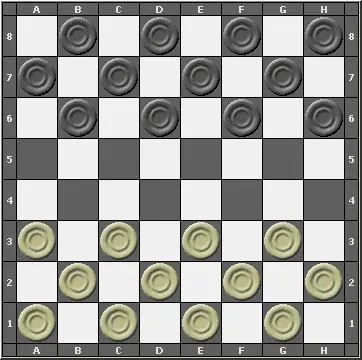
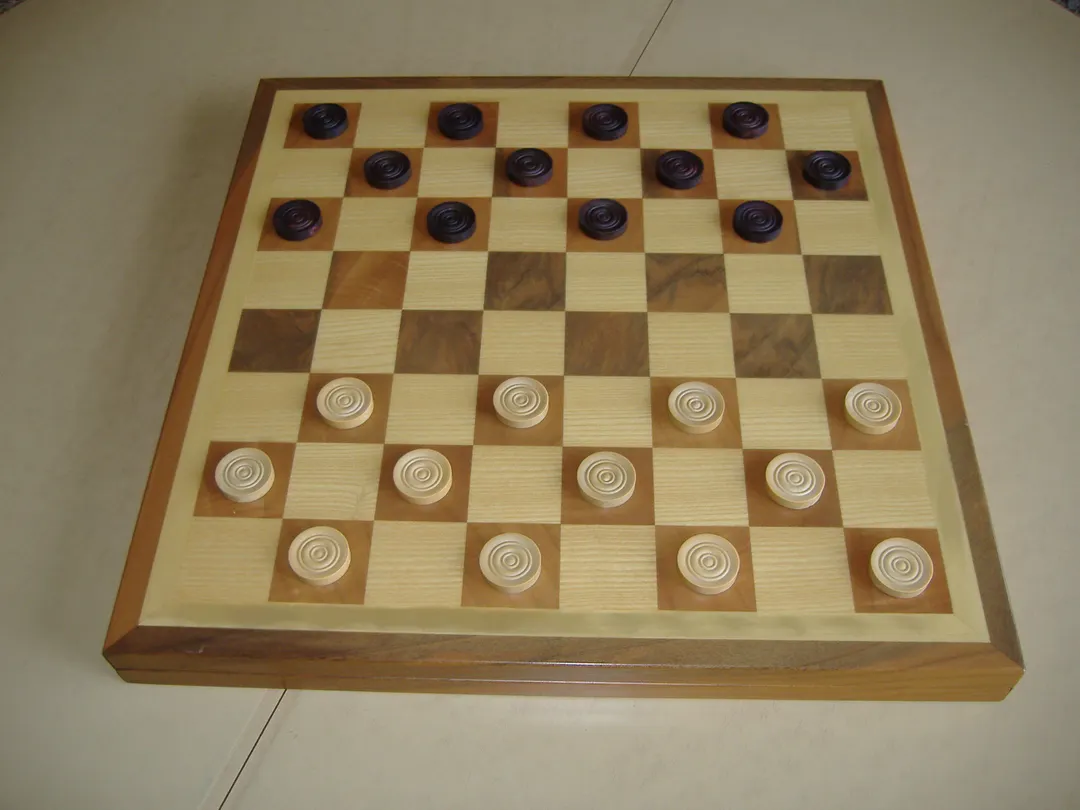
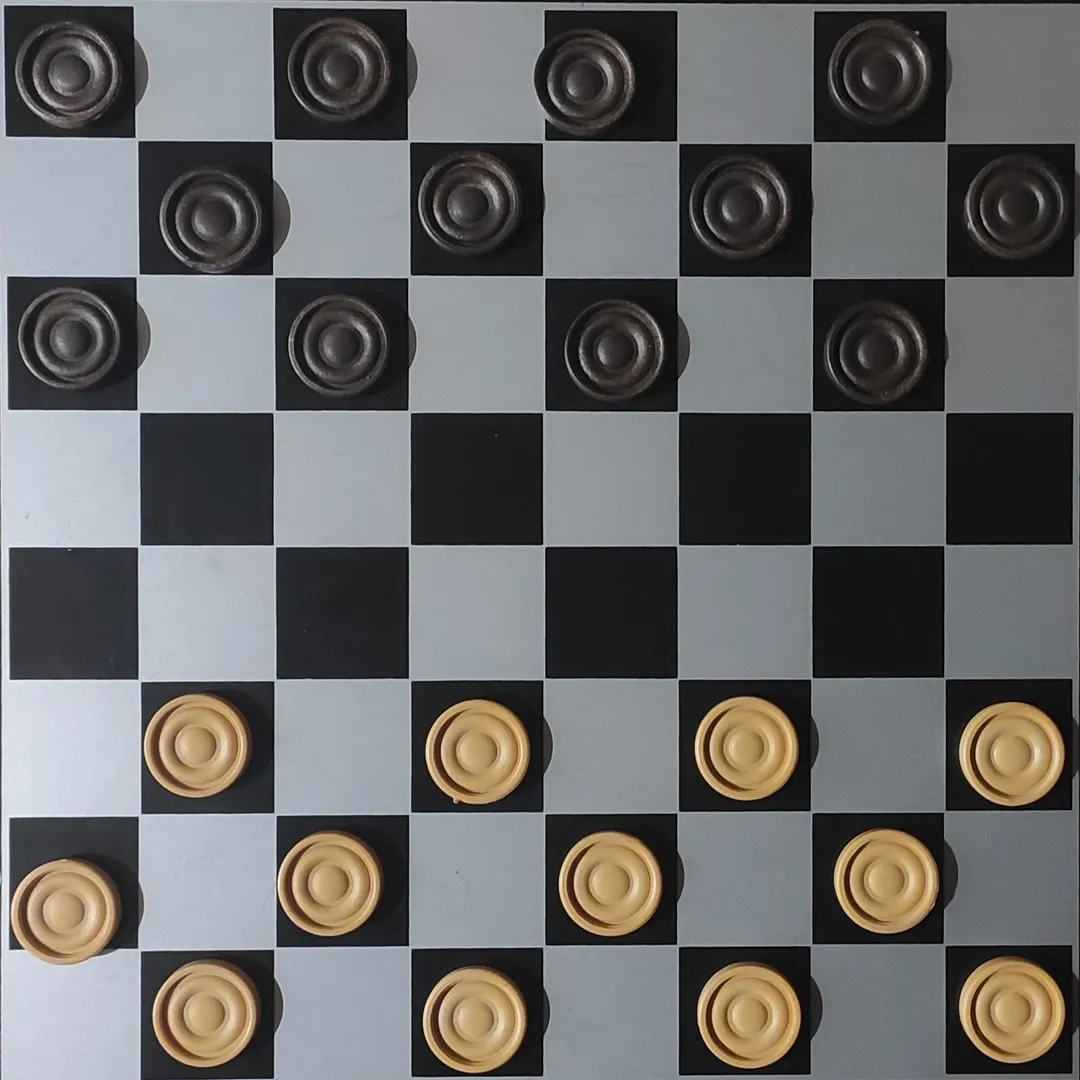
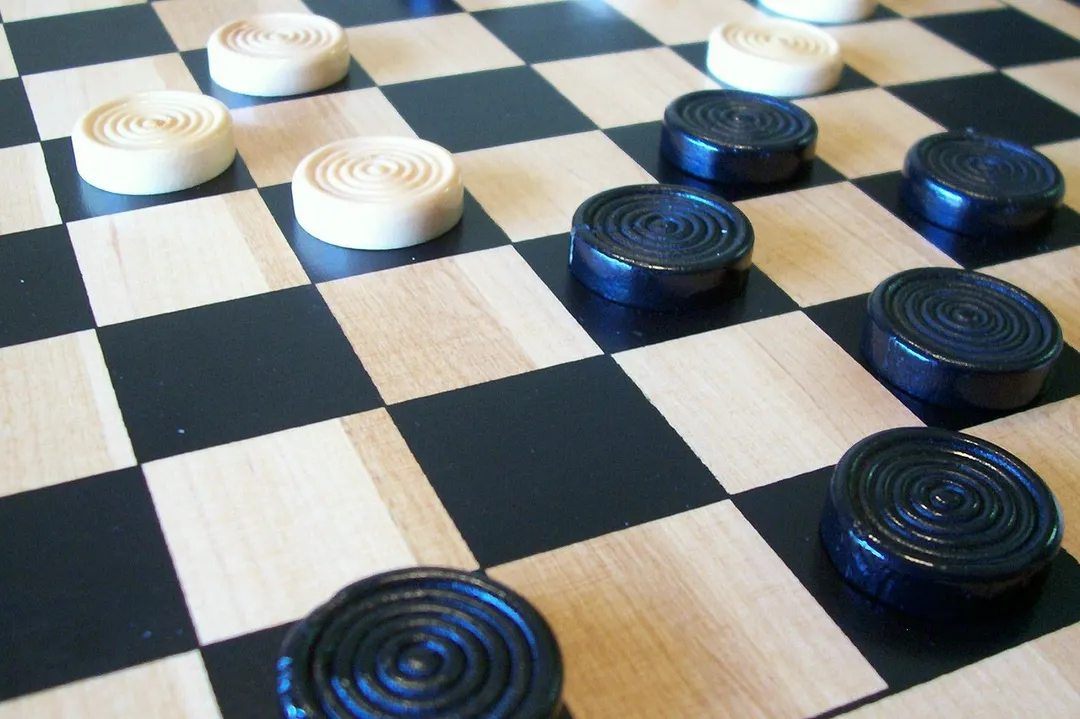
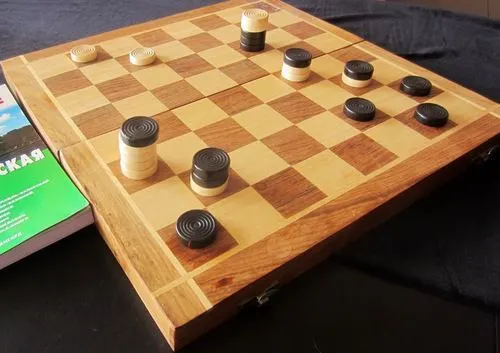
A member of the Checkers Family very popular in Brasil. Brazilian Checkers or Draughts is played under the same basic rules that apply to International Checkers except that it is played on a smaller 8 x 8, or 64-square board with each player playing 12 pieces. This variant is started by the player who either wins a random toss of a coin or the player who plays the light colored pieces. Then the players alternately make their moves thereafter. Rules of the Game: This checkers variation is played using an 8 x 8, or 64 squares checker board of light and dark squares and each player has 12 pieces of contrasting colors, usually red and white. The board is placed between the two players in such a way that the double corner is on the right side and a dark colored square is on the left side of each player. The player places his pieces on the first three rows on his side of the board The Moves of the Men: Checker players can only move their pieces forward one at a time on each empty square to the left or to the right. If a player successfully moves his pieces to the last, or "king row," then that piece must be crowned "king" by the opponent by placing a second checker on top of the crowned piece. The Moves of the King: King pieces are "flying kings," which means that they can move over many empty squares on the diagonal lines that pass over the square on which they are located. Captures: In Brazilian Checkers captures are mandatory. And, maximum captures are compulsory as well, which means that if a player has more than one way to capture the opposing pieces then he must choose that way that will result in the capture of the most number of pieces. If a checker piece reaches the king row while in a capture sequence, it must keep on capturing pieces backward for as long as there still pieces to capture. That capturing piece cannot be crowned king unless it finishes the move and stops on king row. Captures by the Men: Men can capture by jumping forward or backward over a single piece that is located next to it only if the square located next to the captured piece is unoccupied. If the man can jump again from its landing square to make another capture, then it must do so because all captures are mandatory. Captures by a King: A crowned piece can capture an opponent's piece forward and backward diagonally if it is on the same path where it is located and if the squares between them are unoccupied and that if the square immediately after the piece that will be captured is also unoccupied. The crowned piece can land on any empty square within the same path and if a continuous capture is possible, then the player must keep on capturing even if this move will not redound to the best interest of the player making the capture. The Winning Player: A player wins the game if he has captured all of his opponent's pieces or successfully blocked his opponent's pieces such that the opponent is unable to move any of his pieces. Conditions for a Draw: The players can mutually agree to a draw. A draw may also happen if the same position has occurred three times during the game, or if there are three crowned pieces playing against one and that both players have made 16 moves without attaining any promotion or making a capture. Information from checkershistory.com
Według katalogu Brazilian Checkers obsługuje 2 graczy. To liczba graczy podana przez wydawcę, więc gra jest zaprojektowana dokładnie dla takiej liczby uczestników. Warianty dla grup innej wielkości, jeśli w ogóle istnieją, opisano w instrukcji twojego wydania; sprawdź ją uważnie, zanim przygotujesz inną konfigurację stołu.
Podany czas rozgrywki w Brazilian Checkers wynosi 20 minut. To szacunek wydawcy dla pełnej partii. Rzeczywisty czas zależy od grupy, liczby graczy i znajomości zasad: pierwsze partie zwykle trwają dłużej, a doświadczone grupy kończą szybciej. Przygotowanie gry i tłumaczenie zasad nie są wliczone w ten szacunek.
Katalog podaje dla Brazilian Checkers wiek od 6 lat. To zalecenie wydawcy, które uwzględnia wymagania dotyczące czytania, złożoność zasad i drobne elementy, a nie tylko tematykę. Młodsi gracze często mogą dołączyć z pomocą dorosłego; sprawdź zalecenie wiekowe swojego wydania i weź pod uwagę doświadczenie grupy z grami planszowymi.
Brazilian Checkers ma ocenę złożoności 1,0 na 5 według graczy BoardGameGeek, co czyni ją grą lekką. Ocena pokazuje, ile znajomości zasad, planowania i podejmowania decyzji wymaga typowa rozgrywka. Cięższe gry wymagają dłuższego pierwszego tłumaczenia, dlatego przed wieczorem z grami warto skorzystać z przewodnika przygotowania.
Brazilian Checkers należy do tych kategorii: Abstract Strategy. Główne mechaniki to Square Grid, Grid Movement i Pattern Movement. Kategorie opisują temat i świat gry, a mechaniki to, co gracze faktycznie robią w swojej turze. Każda mechanika prowadzi do strony katalogu z podobnymi grami, co pomaga znaleźć coś porównywalnego na kolejny wieczór.
W katalogu Brazilian Checkers figuruje jako gra podstawowa. Można w nią grać samodzielnie, korzystając z elementów z pudełka, bez żadnego innego tytułu. Dodatki, jeśli istnieją, dokładają nową zawartość lub zasady i są wymienione w katalogu osobno, z odnośnikiem do tej gry podstawowej.