
- Ocena BGG
- 7,9
Edge of Darkness: Sands of Dunestar
- 1–4 graczy
- 120 min
- Złożoność 3,0/5
- 2019
2019
Pomoc w zasadach gry Edge of Darkness
Zrozumiałe wyjaśnienia tur, efektów kart i spornych sytuacji z odnośnikami do oficjalnych źródeł i zapisaną historią pytań.
Dla 1 gracza
Co chcesz wiedzieć?
Odpowiedzi pochodzą z oficjalnej instrukcji, ze stroną do sprawdzenia.
Edge of Darkness to gra planszowa wydana w 2019 roku dla 1–4 graczy, z rozgrywką trwającą 120 minut i dla osób od 14 lat. Projekt gry: John D. Clair. Główne mechaniki: Variable Set-up, Layering i Solo / Solitaire Game.
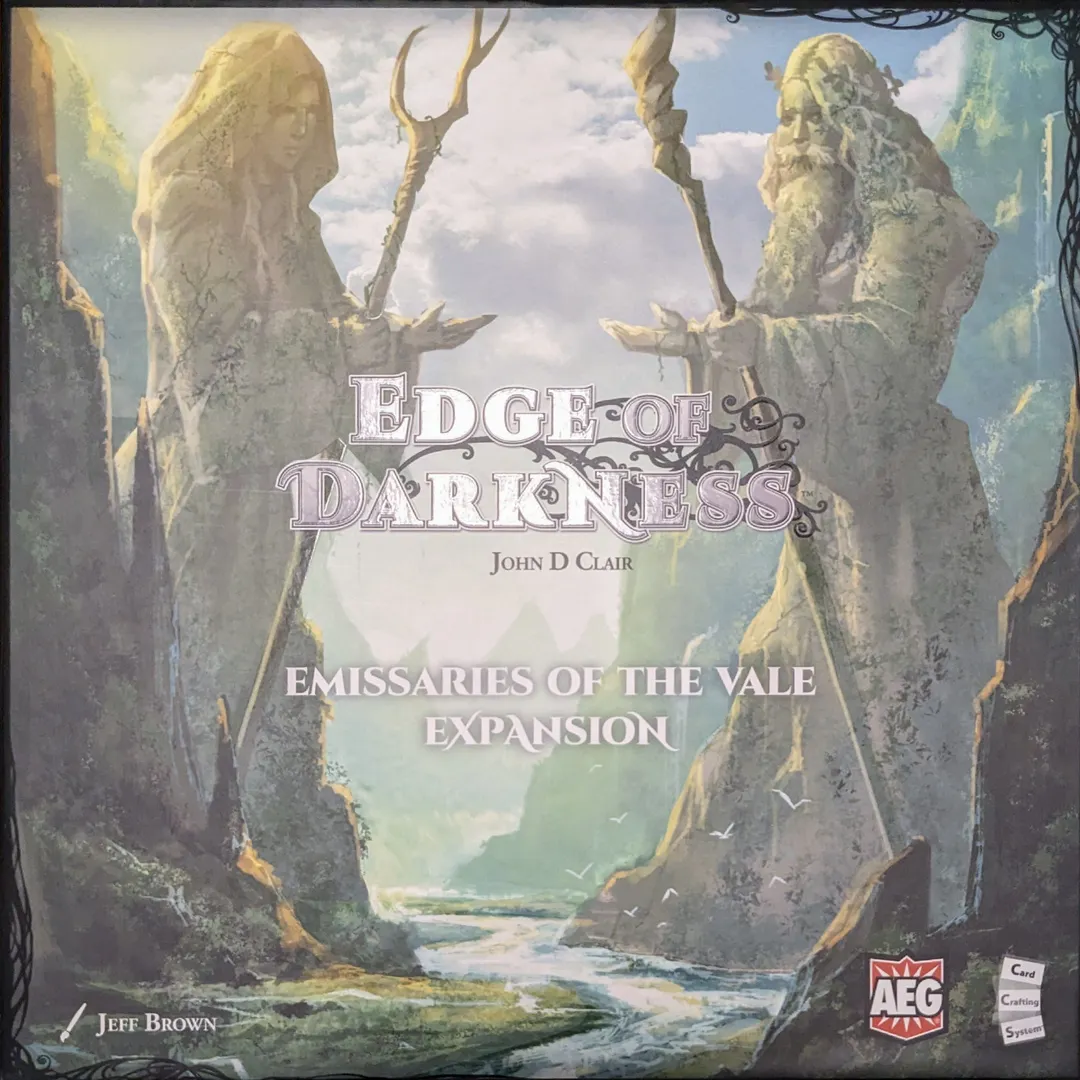

Po angielsku
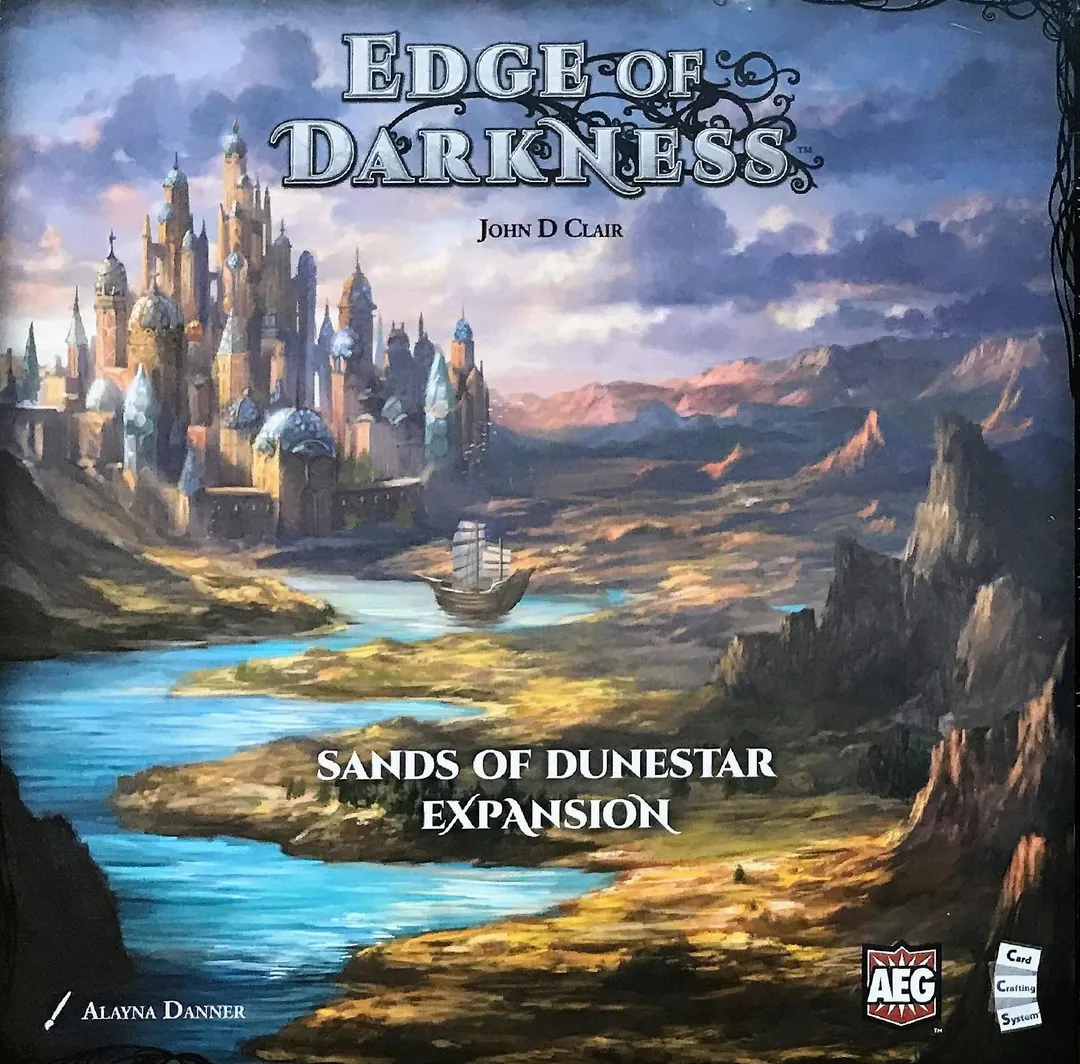
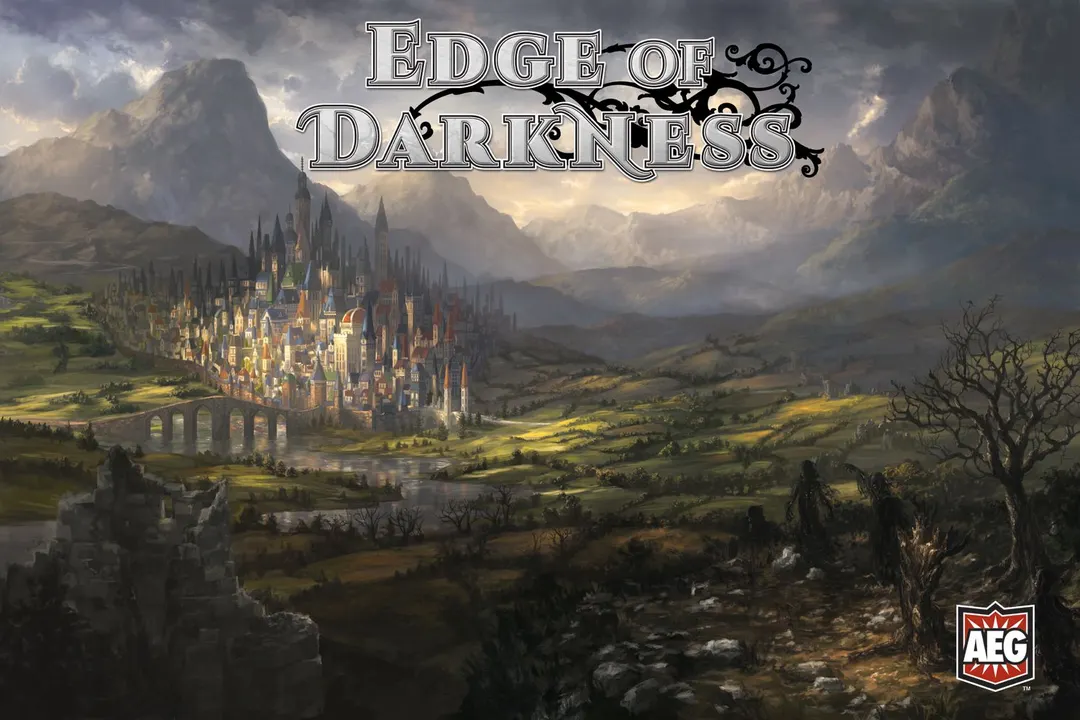
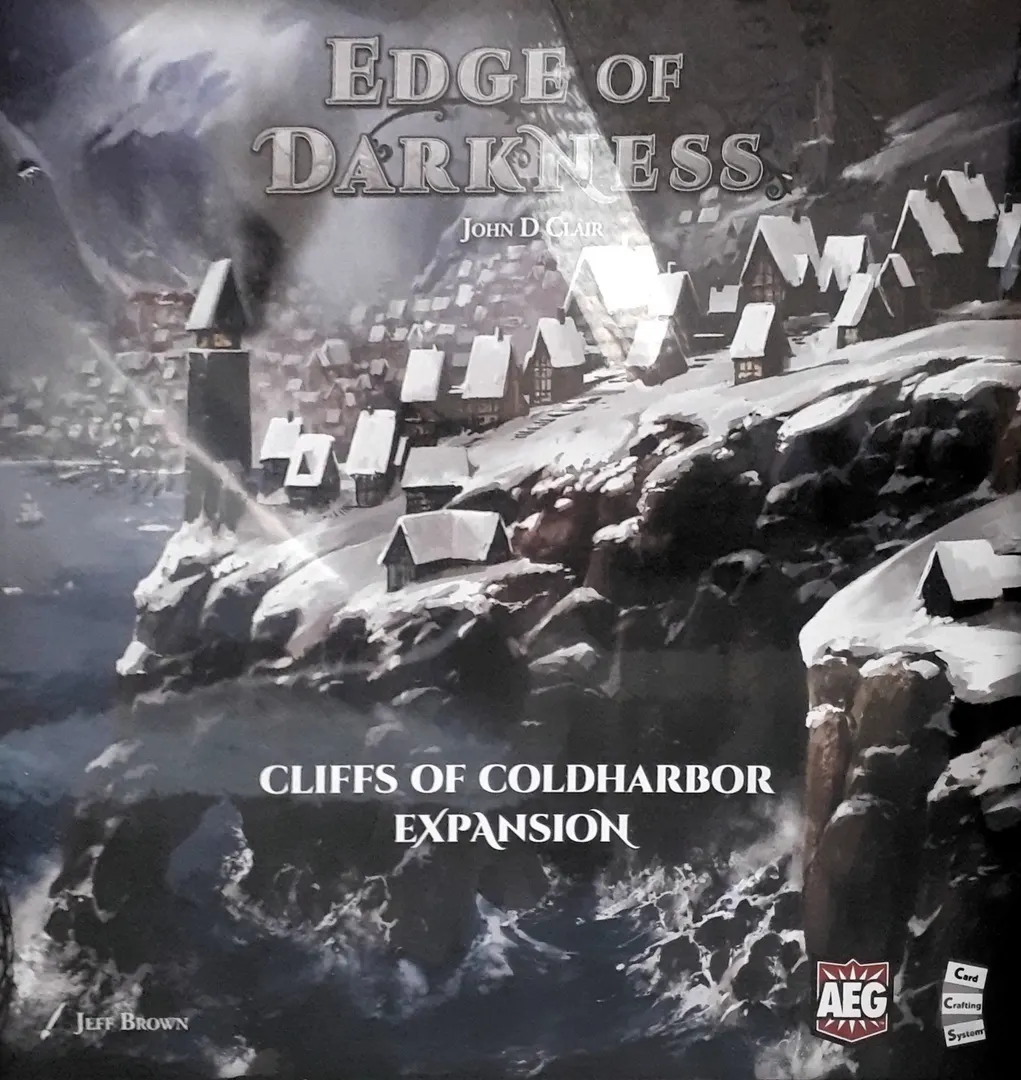
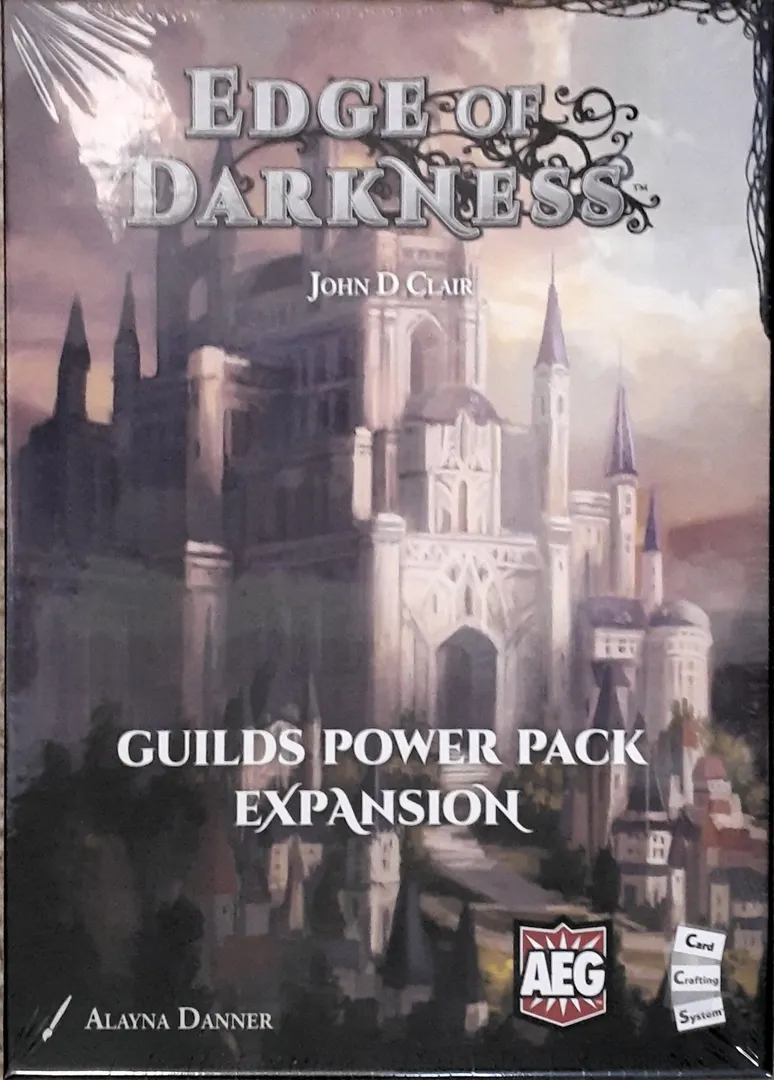
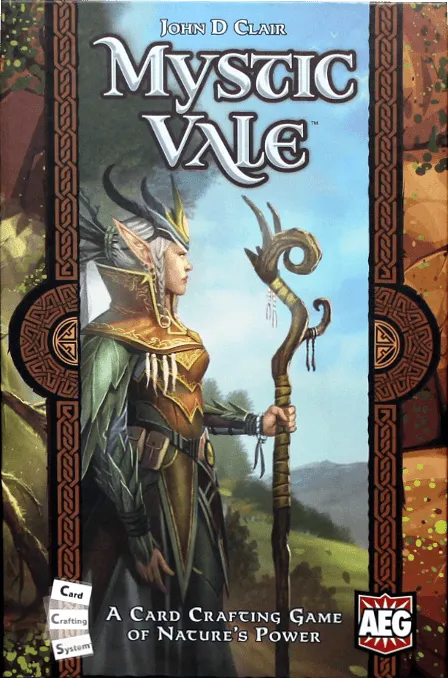
Edge of Darkness is the third Card Crafting Game from Alderac Entertainment Group designed by John D. Clair. Edge of Darkness combines Card Crafting, Worker Placement, shared deck-building, and a whole new Threat Challenge system in a medium-weight euro-style board game of 60 to 120 minutes for 1 to 4 players. Players are the heads of powerful guilds in the City. Each Guild vies with the others to become the leaders of the City in a desperate struggle against great evil. But the Guilds must also work together because the dangers facing the city can harm them all. The Guilds exert their control in the city by sending agents to various locations where they can generate resources or abilities and enable the Guild to take actions. Guilds grow in power as they maneuver their agents and loyalists into positions of importance in the districts and organizations of the City. Over time the Guilds can seek to create synergies between the places their agents have been assigned and the tendrils of influence the Guilds have connected to the City's infrastructure. To win a Guild must have the most power in the city when the game ends. Power is gained having the allegiance of important citizens and nobles, by accumulating wealth, and by undertaking actions beneficial to the City such as defending it from external and internal threats. Here are some highlights of the mechanics in the game: Card Crafting: Similar to the original card-crafting game, Mystic Vale, all cards are constructed of crafting slips which have game content on one third (1/3) of the slip and are transparent on the other two thirds (2/3). During the game players will construct cards, combining (sleeving) different effects onto one card (ideally in ways that make strategic sense). However, unlike Mystic Vale, the transparent cards are double-sided, and when you upgrade the "good" side of the cards (front), you also add strength to the "bad" side of the cards (back). Group deckbuilding using one shared deck: Rather than having your own deck, there is a central deck that all players draw from and discard to. Different players will have the allegiance of different cards in that deck. Using other players' cards means you have to pay them. During the game you can claim allegiance of more cards in the deck by sleeving a slip into the card with your color and seal. Card-driven worker placement: While your actions are card-driven, most costs in the game are in the form of opportunity cost. Advancements don't have a cost, instead they require the use of workers to a greater or lesser degree depending on the power of the card. e.g. many effects require placing or pulling workers from different city locations as dictated by the card effects. Since you have a limited number of workers to use, you will constantly be choosing to forgo one useful thing in order to do another. Threat Tower: There is a Threat Tower which dictates when and whom Threats will attack. Cards leave the shared deck and enter the Threat Board, where they accumulate Threat Cubes on each player's turn. These cubes are color-coded, and when a threshold number of cubes of a given color accumulate on a card, it attacks the City. If the color matches one of the players, it attacks that player. If the color is black, it attacks all players! Modular set up: Edge of Darkness will come with 12 Locations. Each game you use only 10 of these Locations, which can be specifically selected or chosen randomly, making for a lot of variety from game-to-game in the types of challenges you will face and the strategies you will need to employ. These Locations are comprised of a Location Board and Crafting Slips. Location Boards may specify special rules for worker placement, or extend the basic rules with all new systems. For example, a combination of Location Boards can be used to assemble a party of heroes to take the fight to the Threat Tower and engage in a Monster Hunt!
Według katalogu Edge of Darkness obsługuje od 1 do 4 graczy. Ten zakres odpowiada liczbie graczy podanej przez wydawcę, więc grę można przygotować dla dowolnej grupy w jego granicach. Przygotowanie, niektóre zasady i punktacja mogą jednak różnić się w zależności od liczby graczy; dokładną konfigurację sprawdź w instrukcji swojego wydania.
Podany czas rozgrywki w Edge of Darkness wynosi 120 minut. To szacunek wydawcy dla pełnej partii. Rzeczywisty czas zależy od grupy, liczby graczy i znajomości zasad: pierwsze partie zwykle trwają dłużej, a doświadczone grupy kończą szybciej. Przygotowanie gry i tłumaczenie zasad nie są wliczone w ten szacunek.
Katalog podaje dla Edge of Darkness wiek od 14 lat. To zalecenie wydawcy, które uwzględnia wymagania dotyczące czytania, złożoność zasad i drobne elementy, a nie tylko tematykę. Młodsi gracze często mogą dołączyć z pomocą dorosłego; sprawdź zalecenie wiekowe swojego wydania i weź pod uwagę doświadczenie grupy z grami planszowymi.
Edge of Darkness ma ocenę złożoności 3,5 na 5 według graczy BoardGameGeek, co czyni ją grą średnio złożoną. Ocena pokazuje, ile znajomości zasad, planowania i podejmowania decyzji wymaga typowa rozgrywka. Cięższe gry wymagają dłuższego pierwszego tłumaczenia, dlatego przed wieczorem z grami warto skorzystać z przewodnika przygotowania.
Edge of Darkness należy do tych kategorii: Fantasy. Główne mechaniki to Variable Set-up, Layering i Solo / Solitaire Game. Kategorie opisują temat i świat gry, a mechaniki to, co gracze faktycznie robią w swojej turze. Każda mechanika prowadzi do strony katalogu z podobnymi grami, co pomaga znaleźć coś porównywalnego na kolejny wieczór.
Autorzy wymienieni przy Edge of Darkness to: John D. Clair. Te informacje pochodzą z opublikowanych danych gry i wskazują osoby odpowiedzialne za jej projekt, a nie ilustratorów czy wydawców. Strony autorów w MeepleRules zbierają inne tytuły tych samych twórców, co pomaga, gdy gra ci się podoba i szukasz podobnych.
W katalogu Edge of Darkness figuruje jako gra podstawowa. Można w nią grać samodzielnie, korzystając z elementów z pudełka, bez żadnego innego tytułu. Dodatki, jeśli istnieją, dokładają nową zawartość lub zasady i są wymienione w katalogu osobno, z odnośnikiem do tej gry podstawowej.