
- Ocena BGG
- 7,7
España 20: Variante en Solitario
- 1–2 graczy
- 60–120 min
- Złożoność 3,0/5
- 2017
2017
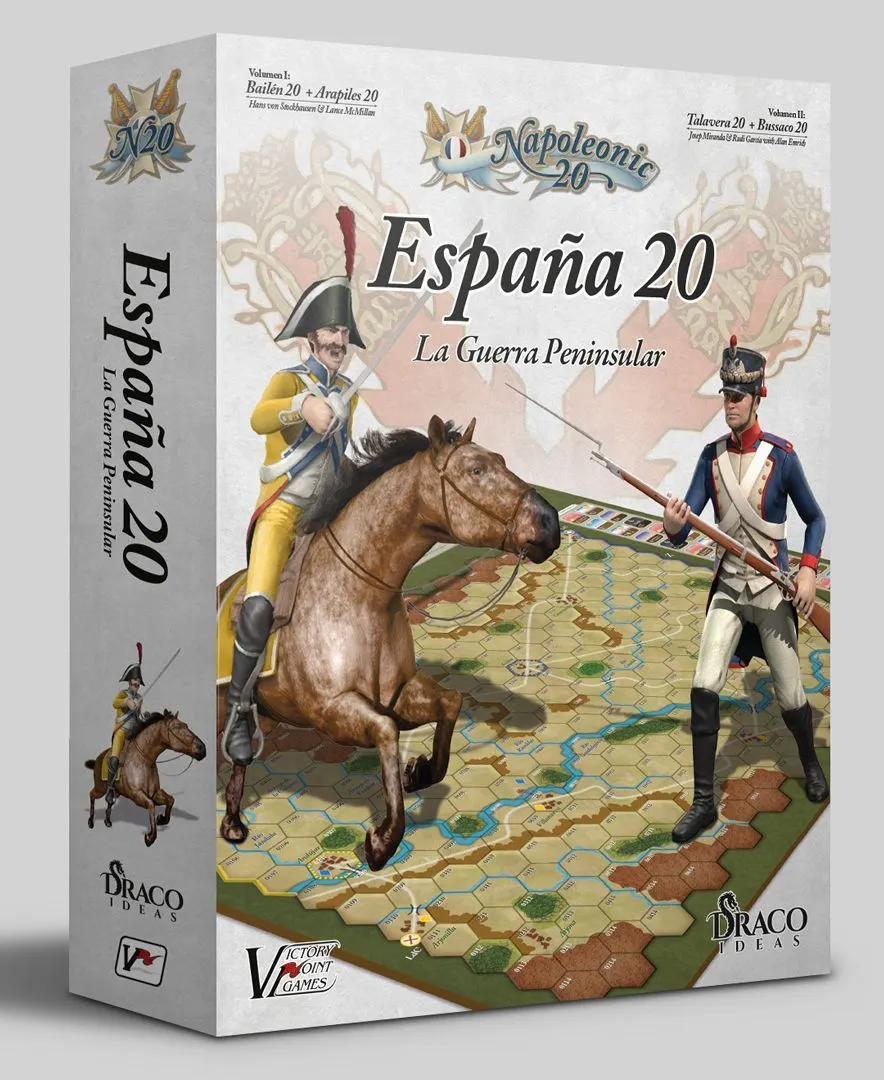
Pomoc w zasadach gry España 20: La Guerra Peninsular
Zrozumiałe wyjaśnienia tur, efektów kart i spornych sytuacji z odnośnikami do oficjalnych źródeł i zapisaną historią pytań.
Dla 2 graczy
Co chcesz wiedzieć?
Odpowiedzi pochodzą z oficjalnej instrukcji, ze stroną do sprawdzenia.
España 20: La Guerra Peninsular to gra planszowa wydana w 2017 roku dla 2 graczy, z rozgrywką trwającą 60 minut i dla osób od 13 lat. Projekt gry: Joseph Miranda, Lance McMillan, Hans von Stockhausen i R. Nicasio Garcia. Główne mechaniki: Dice Rolling, Hexagon Grid i Movement Points.


Po angielsku
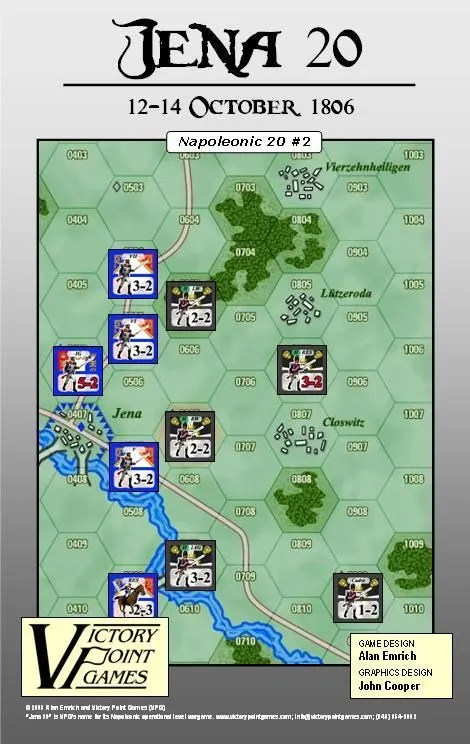
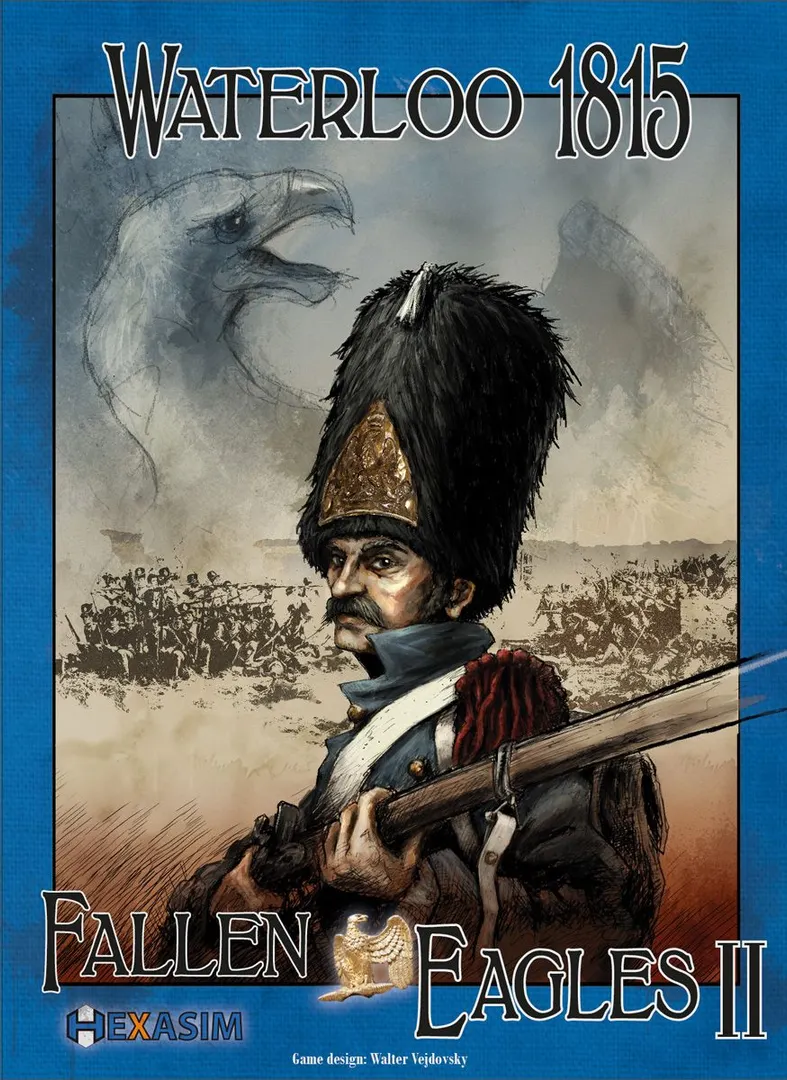
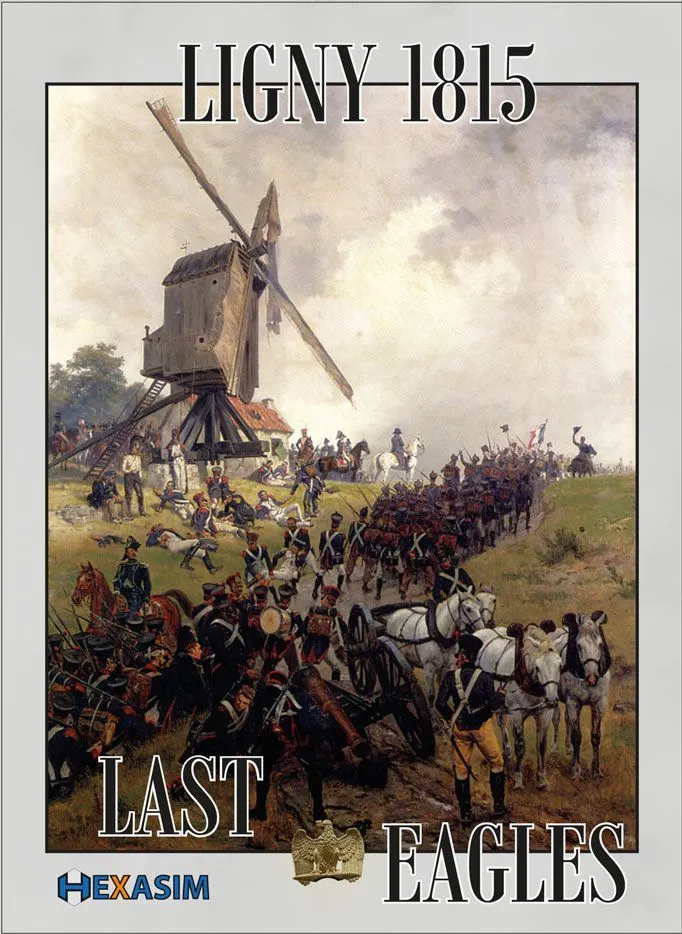
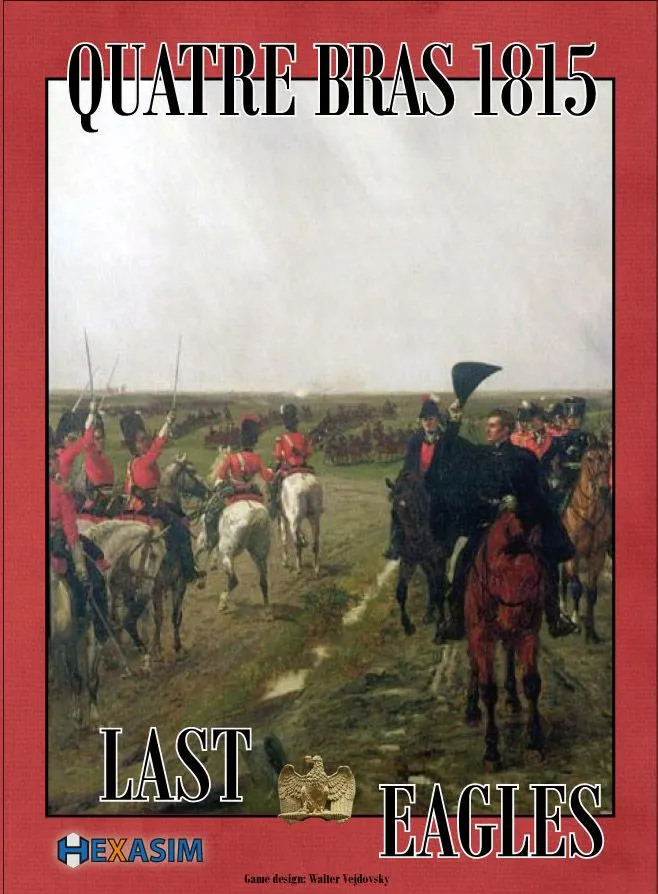
España 20 features four complete games covering key battles fought over control of the Iberian Peninsula: Bailén, Talavera, Arapiles, and Bussaco. Hans von Stockhausen's Bailén 20 (July, 1808) showcases the stunning triumph of General Francisco Castaños’ Spanish army over French General Pierre Dupont’s Corps d’Observation operating in the mountains of Andalusia. This game challenges both players: The Spanish must struggle to coordinate the actions of their large and enthusiastic but mostly untrained army, while the French must decide whether to try and hold against superior numbers or conduct a fighting withdrawal back to Madrid. With Spanish guerrillas, a baggage train full of looted treasure, and treacherous Swiss mercenaries who might change sides in the middle of the battle, Bailén 20 offers players plenty of military adventure. Considered one of Wellington’s finest battles, Arapiles 20 (July, 1812) from Lance McMillan focuses on the hard-fought meeting engagement between his veteran British forces and Mareschal Marmont’s French army in the hills south of Salamanca. With two armies of equal strength, victory requires careful planning, precise maneuvers, and exact timing to take advantage of the opportunities offered by unexpected events. Will the British player be able to pounce on a fleeting French blunder to win the day (as happened historically), or will the French be able to simply bludgeon his opponent into submission? In Arapiles 20, the outcome of this famous battle is in your hands. Rudi Garcia's Talavera 20 recreates the major battle which occurred near the city of Talavera de la Reina on 27 to 28 July 1809. One player commands the French army under Napoleon's brother, Joseph, the self-proclaimed King of Spain, and the other commands the combined allied armies of Great Britain (under Sir Arthur Wellesley) and Spain (under Captain-General Gregorio de la Cuesta). After his attempt to liberate Madrid from the French was repulsed, Cuesta's army fell back to Talavera, which was covered by the British. Starting with a daring night attack, Joseph repeatedly attempted to push the allies out of their superb defensive positions, to no avail. As the French, can you find and exploit a weak spot in the allied lines? As the allies, can you hold your shaky alliance together and fend off the French (all the while keeping a nervous eye out for a second French army that might unexpectedly show up behind your armies)? Bussaco 20: Second Edition, from designer Lance McMillan, features the battle occurring on 26 September 1810, during the early stages of the French invasion of Portugal. One player commands the French army of Marshal André Masséna, while the other controls Sir Arthur Wellesley, Viscount of Wellington's combined British and reconstituted Portuguese army. Historically, a distracted Masséna launched a series of uncoordinated frontal assaults straight up a steep ridge into the teeth of the British defenses, suffering heavy losses before Wellington elected to disengage and fall back to Lisbon. Can you as Masséna avoid the same mistakes, or as Wellington can you use your superior position to achieve a decisive victory?
Według katalogu España 20: La Guerra Peninsular obsługuje 2 graczy. To liczba graczy podana przez wydawcę, więc gra jest zaprojektowana dokładnie dla takiej liczby uczestników. Warianty dla grup innej wielkości, jeśli w ogóle istnieją, opisano w instrukcji twojego wydania; sprawdź ją uważnie, zanim przygotujesz inną konfigurację stołu.
Podany czas rozgrywki w España 20: La Guerra Peninsular wynosi 60 minut. To szacunek wydawcy dla pełnej partii. Rzeczywisty czas zależy od grupy, liczby graczy i znajomości zasad: pierwsze partie zwykle trwają dłużej, a doświadczone grupy kończą szybciej. Przygotowanie gry i tłumaczenie zasad nie są wliczone w ten szacunek.
Katalog podaje dla España 20: La Guerra Peninsular wiek od 13 lat. To zalecenie wydawcy, które uwzględnia wymagania dotyczące czytania, złożoność zasad i drobne elementy, a nie tylko tematykę. Młodsi gracze często mogą dołączyć z pomocą dorosłego; sprawdź zalecenie wiekowe swojego wydania i weź pod uwagę doświadczenie grupy z grami planszowymi.
España 20: La Guerra Peninsular ma ocenę złożoności 2,7 na 5 według graczy BoardGameGeek, co czyni ją grą raczej lekką. Ocena pokazuje, ile znajomości zasad, planowania i podejmowania decyzji wymaga typowa rozgrywka. Cięższe gry wymagają dłuższego pierwszego tłumaczenia, dlatego przed wieczorem z grami warto skorzystać z przewodnika przygotowania.
España 20: La Guerra Peninsular należy do tych kategorii: Wargame i Napoleonic. Główne mechaniki to Dice Rolling, Hexagon Grid i Movement Points. Kategorie opisują temat i świat gry, a mechaniki to, co gracze faktycznie robią w swojej turze. Każda mechanika prowadzi do strony katalogu z podobnymi grami, co pomaga znaleźć coś porównywalnego na kolejny wieczór.
Autorzy wymienieni przy España 20: La Guerra Peninsular to: Joseph Miranda, Lance McMillan, Hans von Stockhausen i R. Nicasio Garcia. Te informacje pochodzą z opublikowanych danych gry i wskazują osoby odpowiedzialne za jej projekt, a nie ilustratorów czy wydawców. Strony autorów w MeepleRules zbierają inne tytuły tych samych twórców, co pomaga, gdy gra ci się podoba i szukasz podobnych.
W katalogu España 20: La Guerra Peninsular figuruje jako gra podstawowa. Można w nią grać samodzielnie, korzystając z elementów z pudełka, bez żadnego innego tytułu. Dodatki, jeśli istnieją, dokładają nową zawartość lub zasady i są wymienione w katalogu osobno, z odnośnikiem do tej gry podstawowej.