

- Pozycja w BGG
- BGG #17 992
- Ocena BGG
- 7,4
A Recipe for Death
- 5–7 graczy
- 120–240 min
- Złożoność 1,3/5
- 2016
2016
Pomoc w zasadach gry Expedition of Death
Zrozumiałe wyjaśnienia tur, efektów kart i spornych sytuacji z odnośnikami do oficjalnych źródeł i zapisaną historią pytań.
Co chcesz wiedzieć?
Odpowiedzi pochodzą z oficjalnej instrukcji, ze stroną do sprawdzenia.
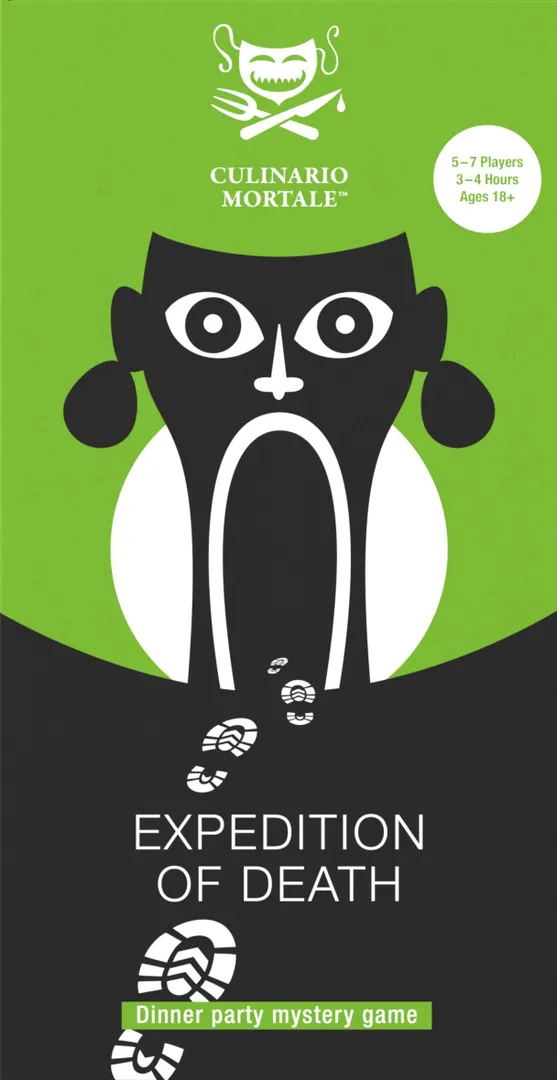
Expedition of Death to gra planszowa wydana w 2016 roku dla 5–7 graczy, z rozgrywką trwającą 120–240 minut i dla osób od 18 lat. Projekt gry: Florian Bischoff, Takeshi Otani i Jens Kauffmann. Główne mechaniki: Storytelling, Role Playing i Hidden Roles.







Po angielsku
This expedition in the Peruvian jungle uncovered a real sensation – The royal priestesses’ burial chamber. But while the excavation team were still busy celebrating their success in the evening, the famous archaeology professor Mary Stonerock was found dead. You had expected this expedition to be nothing less than an archaeological miracle. For two months, you’ve all been in the Peruvian rainforest looking for the remains of the Moche people, an advanced South American civilization that preceded the Incas and has hardly been studied. You knew you were on the right path, as you had found countless small vases, tools and other artifacts over the past few days. Late in the afternoon, you finally found the tomb of the priestesses. This important find would have been another milestone in the career of Mary Stonerock, the US’s youngest full professor of archaeology. Mary decided to celebrate the find with a hearty feast and an evening of drinking. You raised a toast to your joint success and speculated as to what the tomb, to be opened the next day, might contain. But the evening took a tragic turn when Christian discovered Mary’s body at around midnight in the entrance of her tent. Director Gustavo Navarro has since notified the police using the camp’s radio. They are due to arrive at the remote excavation site in a few hours. Until they are here, you are all on your own in solving the mystery. What happened? How could this expedition have ended so tragically? What is a murder mystery game? You and your guests slip into the roles of the main suspects of an exciting murder case. The objective of the game is to convict the perpetrator – one of the people sitting with you at the table. This can only be achieved if the players discuss the course of events amongst themselves and compare their experiences of what happened. But be careful: Each character (including you!) has their own dark secrets which they’d be better off keeping to themselves. You all gather in the wake of the crime and attempt to piece together your memories, with the aim of identifying the perpetrator. In each round, you recall more and more about the circumstances of the crime, as each round deals with a different period of time from the evening the crime was committed. At the end, everyone votes on who should be handed over to the police as the suspect. Culinario Mortale is a highly interactive game. There are only a few rules, and no pre-prepared dialogue. The focus is on working through the puzzles and discussing the events together. Alongside a well-structured game manual, each game contains game booklets for between five and eight characters (the number of players for each game can be found on the packaging and here on our website). In the game booklets, each guest will find their personal clues and a description of their role. Each game booklet also includes a brief overview of how the game works. As such, all players can jump right in. The support code included with your Culinario Mortale game will allow you to download the role descriptions in advance from our website in PDF format, and easily send them to your guests via email. GAME CONTENT: 1 Game Manual, 7 Game Booklets, 1 Incident Booklet (includes of prologue, incidents, solution), 7 name badges, 1 support code — description from the publisher.
Według katalogu Expedition of Death obsługuje od 5 do 7 graczy. Ten zakres odpowiada liczbie graczy podanej przez wydawcę, więc grę można przygotować dla dowolnej grupy w jego granicach. Przygotowanie, niektóre zasady i punktacja mogą jednak różnić się w zależności od liczby graczy; dokładną konfigurację sprawdź w instrukcji swojego wydania.
Podany czas rozgrywki w Expedition of Death wynosi 120–240 minut. To szacunek wydawcy dla pełnej partii. Rzeczywisty czas zależy od grupy, liczby graczy i znajomości zasad: pierwsze partie zwykle trwają dłużej, a doświadczone grupy kończą szybciej. Przygotowanie gry i tłumaczenie zasad nie są wliczone w ten szacunek.
Katalog podaje dla Expedition of Death wiek od 18 lat. To zalecenie wydawcy, które uwzględnia wymagania dotyczące czytania, złożoność zasad i drobne elementy, a nie tylko tematykę. Młodsi gracze często mogą dołączyć z pomocą dorosłego; sprawdź zalecenie wiekowe swojego wydania i weź pod uwagę doświadczenie grupy z grami planszowymi.
Expedition of Death ma ocenę złożoności 1,0 na 5 według graczy BoardGameGeek, co czyni ją grą lekką. Ocena pokazuje, ile znajomości zasad, planowania i podejmowania decyzji wymaga typowa rozgrywka. Cięższe gry wymagają dłuższego pierwszego tłumaczenia, dlatego przed wieczorem z grami warto skorzystać z przewodnika przygotowania.
Expedition of Death należy do tych kategorii: Deduction, Murder / Mystery i Real-time. Główne mechaniki to Storytelling, Role Playing i Hidden Roles. Kategorie opisują temat i świat gry, a mechaniki to, co gracze faktycznie robią w swojej turze. Każda mechanika prowadzi do strony katalogu z podobnymi grami, co pomaga znaleźć coś porównywalnego na kolejny wieczór.
Autorzy wymienieni przy Expedition of Death to: Florian Bischoff, Takeshi Otani i Jens Kauffmann. Te informacje pochodzą z opublikowanych danych gry i wskazują osoby odpowiedzialne za jej projekt, a nie ilustratorów czy wydawców. Strony autorów w MeepleRules zbierają inne tytuły tych samych twórców, co pomaga, gdy gra ci się podoba i szukasz podobnych.
W katalogu Expedition of Death figuruje jako gra podstawowa. Można w nią grać samodzielnie, korzystając z elementów z pudełka, bez żadnego innego tytułu. Dodatki, jeśli istnieją, dokładają nową zawartość lub zasady i są wymienione w katalogu osobno, z odnośnikiem do tej gry podstawowej.