
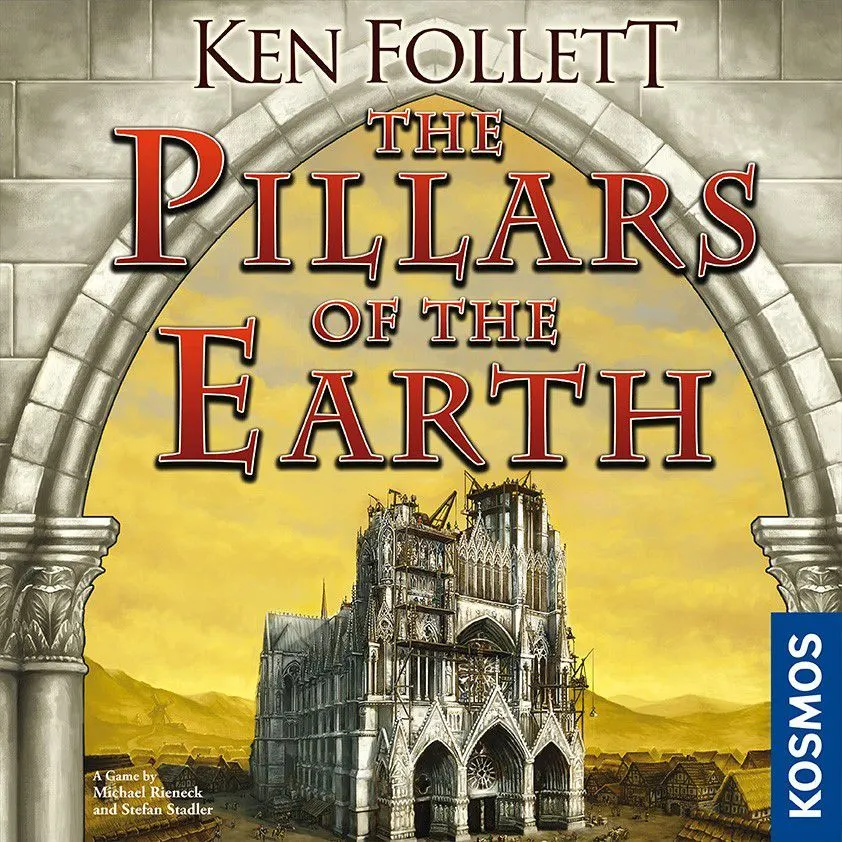
- Pozycja w BGG
- BGG #487
- Ocena BGG
- 7,3
The Pillars of the Earth
- 2–4 graczy
- 90–120 min
- Złożoność 2,8/5
- 2006
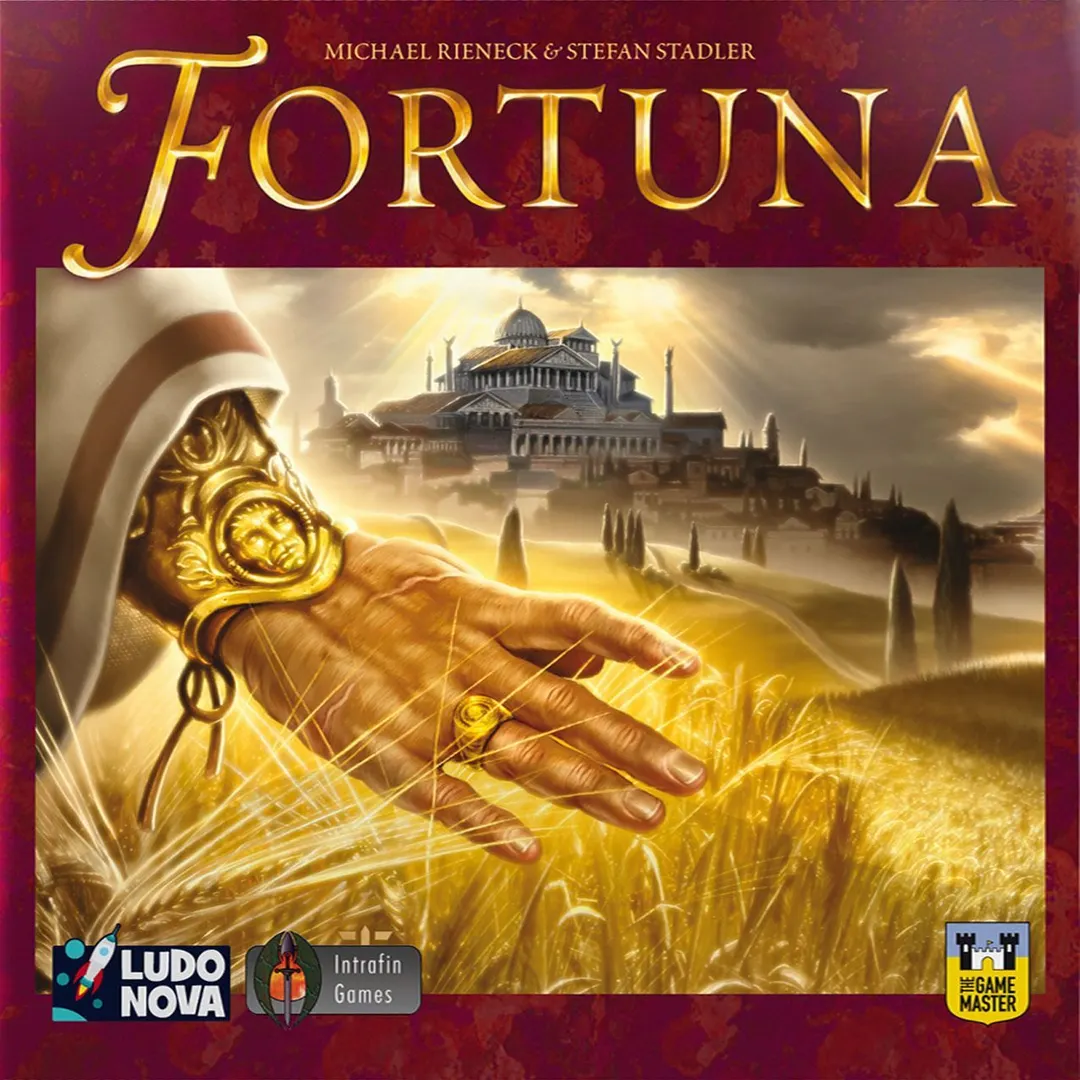
2011
Pomoc w zasadach gry Fortuna
Zrozumiałe wyjaśnienia tur, efektów kart i spornych sytuacji z odnośnikami do oficjalnych źródeł i zapisaną historią pytań.
Dla 2 graczy
Co chcesz wiedzieć?
Odpowiedzi pochodzą z oficjalnej instrukcji, ze stroną do sprawdzenia.
Fortuna to gra planszowa wydana w 2011 roku dla 2–4 graczy, z rozgrywką trwającą 60 minut i dla osób od 10 lat. Projekt gry: Michael Rieneck i Stefan Stadler. Główne mechaniki: Hand Management, Dice Rolling i Point to Point Movement.



Po angielsku
Fortuna is situated in the Roman Empire, during Caesar's reign. The players are ambitious Romans striving for influence in the Roman Empire. While striving for power, happiness and wealth, they leave their own village and travel towards the City of Rome. The road to Rome is long and there are many ways to reach your life purpose. As a hardworking farmer you can work the land and grow large quantities of grain and wine. A clever farmer irrigates the land to improve the yield of his harvest. Trading your harvested goods for the best price may bring you the means to move up the ladder of the Roman hierarchy. When will you decide to move on and buy yourself an army of Centurions? Or will you choose the sacred way of Religion and serve the ruthless Roman Gods? Along the way, you will have the opportunity to find happiness and wealth in marriage. Will you take this chance to become happy or not? If you contribute well to the Roman Empire, you will grow in the favor of the Emperor and move further to Rome. Will the citizens of Rome welcome you jubilantly? Coming nearer to Rome and the Emperor's Palace the tension in the game becomes higher. Which of the players has contributed most to the Empire? And which of the players has saved the city in times of crisis? Just when water and food supplies become exhausted or Centurions are needed to protect Rome against a hostile invasion, only the most prestigious Romans show their courage and value. The Emperor will reward this Roman with golden Fortuna coins, and the deeper the crisis, the richer the reward. When a player has reached the centre of Rome, only the player who has done most for the Emperor and the People of Rome will become Victorious. Make sure to be in the City of Rome so you are able to take that triumphal march to Victory! How to win the game? The player with the highest number of Victory Points at the end of the game wins. The game ends when one player gets to the Center of Rome (the Palace of the Emperor), then this final round is completed. Scoring in the game is partly based on the number of steps you have made towards Rome = each step is one VP. The other Victory Points are scored by collecting the right combination of privilege cards and resources. The VP scored with the privately held privilege cards stays a secret till the end of the game when the total scoring is revealed.
Według katalogu Fortuna obsługuje od 2 do 4 graczy. Ten zakres odpowiada liczbie graczy podanej przez wydawcę, więc grę można przygotować dla dowolnej grupy w jego granicach. Przygotowanie, niektóre zasady i punktacja mogą jednak różnić się w zależności od liczby graczy; dokładną konfigurację sprawdź w instrukcji swojego wydania.
Podany czas rozgrywki w Fortuna wynosi 60 minut. To szacunek wydawcy dla pełnej partii. Rzeczywisty czas zależy od grupy, liczby graczy i znajomości zasad: pierwsze partie zwykle trwają dłużej, a doświadczone grupy kończą szybciej. Przygotowanie gry i tłumaczenie zasad nie są wliczone w ten szacunek.
Katalog podaje dla Fortuna wiek od 10 lat. To zalecenie wydawcy, które uwzględnia wymagania dotyczące czytania, złożoność zasad i drobne elementy, a nie tylko tematykę. Młodsi gracze często mogą dołączyć z pomocą dorosłego; sprawdź zalecenie wiekowe swojego wydania i weź pod uwagę doświadczenie grupy z grami planszowymi.
Fortuna ma ocenę złożoności 2,4 na 5 według graczy BoardGameGeek, co czyni ją grą raczej lekką. Ocena pokazuje, ile znajomości zasad, planowania i podejmowania decyzji wymaga typowa rozgrywka. Cięższe gry wymagają dłuższego pierwszego tłumaczenia, dlatego przed wieczorem z grami warto skorzystać z przewodnika przygotowania.
Fortuna należy do tych kategorii: Ancient. Główne mechaniki to Hand Management, Dice Rolling i Point to Point Movement. Kategorie opisują temat i świat gry, a mechaniki to, co gracze faktycznie robią w swojej turze. Każda mechanika prowadzi do strony katalogu z podobnymi grami, co pomaga znaleźć coś porównywalnego na kolejny wieczór.
Autorzy wymienieni przy Fortuna to: Michael Rieneck i Stefan Stadler. Te informacje pochodzą z opublikowanych danych gry i wskazują osoby odpowiedzialne za jej projekt, a nie ilustratorów czy wydawców. Strony autorów w MeepleRules zbierają inne tytuły tych samych twórców, co pomaga, gdy gra ci się podoba i szukasz podobnych.
W katalogu Fortuna figuruje jako gra podstawowa. Można w nią grać samodzielnie, korzystając z elementów z pudełka, bez żadnego innego tytułu. Dodatki, jeśli istnieją, dokładają nową zawartość lub zasady i są wymienione w katalogu osobno, z odnośnikiem do tej gry podstawowej.