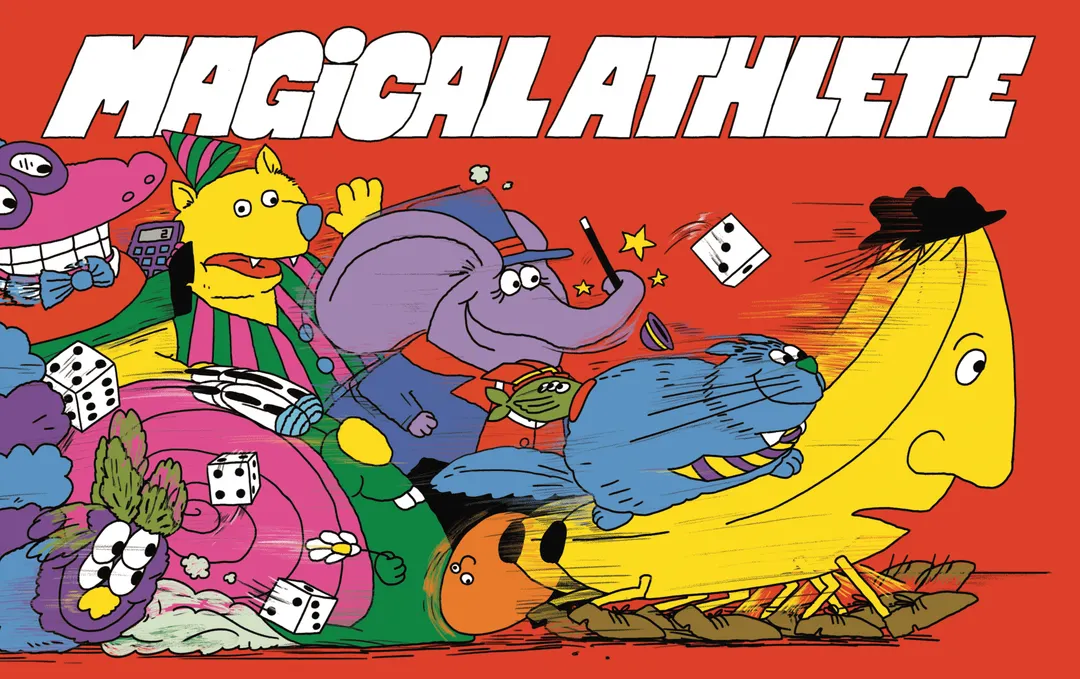
- Pozycja w BGG
- BGG #273
- Ocena BGG
- 7,7
Magiczni Atleci
- 2–6 graczy
- 30 min
- Złożoność 1,2/5
- 2025
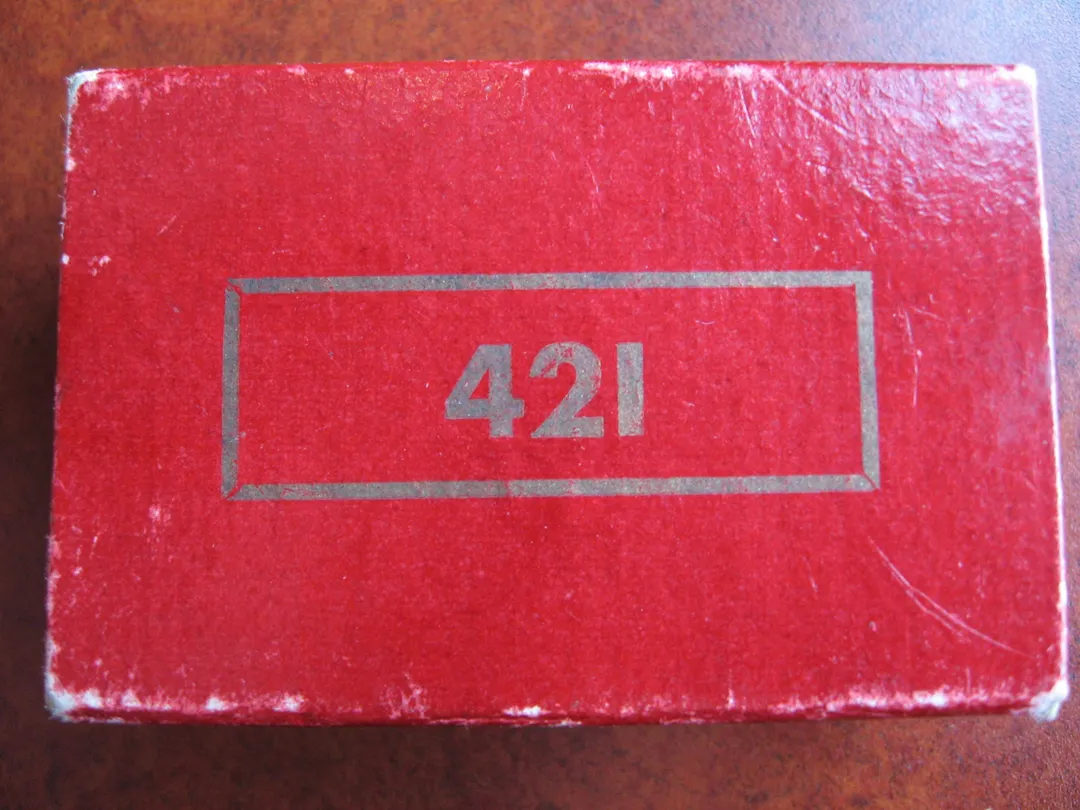

Pomoc w zasadach gry Four Twenty-one
Zrozumiałe wyjaśnienia tur, efektów kart i spornych sytuacji z odnośnikami do oficjalnych źródeł i zapisaną historią pytań.
Co chcesz wiedzieć?
Odpowiedzi pochodzą z oficjalnej instrukcji, ze stroną do sprawdzenia.
Four Twenty-one to gra planszowa dla 2–8 graczy i z rozgrywką trwającą 5 minut. Główne mechaniki: Dice Rolling.





Po angielsku
This game is popular in Europe. It is played with three dice and an number of tokens ("fiches", usually 11 or 21) and it is not uncommon to find special porcelain boxes, marked with the dice numbers 4-2-1. Play is in two phases. "Charge" and "Décharge" (discharge). Charge phase : all players roll the dice once and only once, each. The biggest hand takes as many tokens as the value in points of his or her hand. This process is repeated until all tokens have been distributed (with the last hand taking has many tokens as are available). If a player has all tokens at the end of the charge, the game is finished (and he or she pays a round of drinks). Discharge phase : The player with the biggest number of tokens has the first roll and then clockwise. The first player of a round of rolls decide for one or two rerolls. A reroll meaning rerolling one, two or all dice, to try to achieve the best hand. By electing to have rerolls, he or she allows the same number of rerolls to the other players. The one who rolls the biggest hand gives a number of tokens equal to the value of his hand (or all of his tokens if not enough) to the player who rolled the lowest hand. That player becomes first player. The game ends when one player has all tokens. He's the loser of the game and pays the next round. If at some point a player has no tokens, play continues without him/her ("saved"). Hands rank as follows (from biggest to smallest): 1. 421 2. 3 aces (1-1-1) 3. 2 aces-six (1-1-6) 4. 3 six (6-6-6) 5. 2 aces-five (1-1-5) 6. 3 fives (5-5-5) 7. 2 aces-four (1-1-4) 8. 3 fours (4-4-4) 9. 2 aces-three (1-1-3) 10. 3 threes (3-3-3) 11. 2 aces-two (1-1-2) 12. 3 two (2-2-2) 13. 6-5-4 14. 5-4-3 15. 4-3-2 16. 3-2-1 Others hands are by decreasing order of values the dice, from 665 to 221 (which is "nenette"). For info, the last value before 221 is 322. 1-1-x are called "fiches" x-x-x are called "baraques" 6-5-4 and the like are called "tierces" 421 is worth 11 points (sometimes 10 or 8 in variants) 111 is worth 7 points x-x-x is worth x points (except for 111, see above) 1-1-x is also worth x points (except, again, for 111) The difference is that for x, 1-1-x>x-x-x as explained in the order of hands above. Tierces are worth 2 and the rest is worth 1.
Według katalogu Four Twenty-one obsługuje od 2 do 8 graczy. Ten zakres odpowiada liczbie graczy podanej przez wydawcę, więc grę można przygotować dla dowolnej grupy w jego granicach. Przygotowanie, niektóre zasady i punktacja mogą jednak różnić się w zależności od liczby graczy; dokładną konfigurację sprawdź w instrukcji swojego wydania.
Podany czas rozgrywki w Four Twenty-one wynosi 5 minut. To szacunek wydawcy dla pełnej partii. Rzeczywisty czas zależy od grupy, liczby graczy i znajomości zasad: pierwsze partie zwykle trwają dłużej, a doświadczone grupy kończą szybciej. Przygotowanie gry i tłumaczenie zasad nie są wliczone w ten szacunek.
Four Twenty-one ma ocenę złożoności 1,0 na 5 według graczy BoardGameGeek, co czyni ją grą lekką. Ocena pokazuje, ile znajomości zasad, planowania i podejmowania decyzji wymaga typowa rozgrywka. Cięższe gry wymagają dłuższego pierwszego tłumaczenia, dlatego przed wieczorem z grami warto skorzystać z przewodnika przygotowania.
Four Twenty-one należy do tych kategorii: Party Game i Dice. Główne mechaniki to Dice Rolling. Kategorie opisują temat i świat gry, a mechaniki to, co gracze faktycznie robią w swojej turze. Każda mechanika prowadzi do strony katalogu z podobnymi grami, co pomaga znaleźć coś porównywalnego na kolejny wieczór.
W katalogu Four Twenty-one figuruje jako gra podstawowa. Można w nią grać samodzielnie, korzystając z elementów z pudełka, bez żadnego innego tytułu. Dodatki, jeśli istnieją, dokładają nową zawartość lub zasady i są wymienione w katalogu osobno, z odnośnikiem do tej gry podstawowej.


