
- Pozycja w BGG
- BGG #18
- Ocena BGG
- 8,4
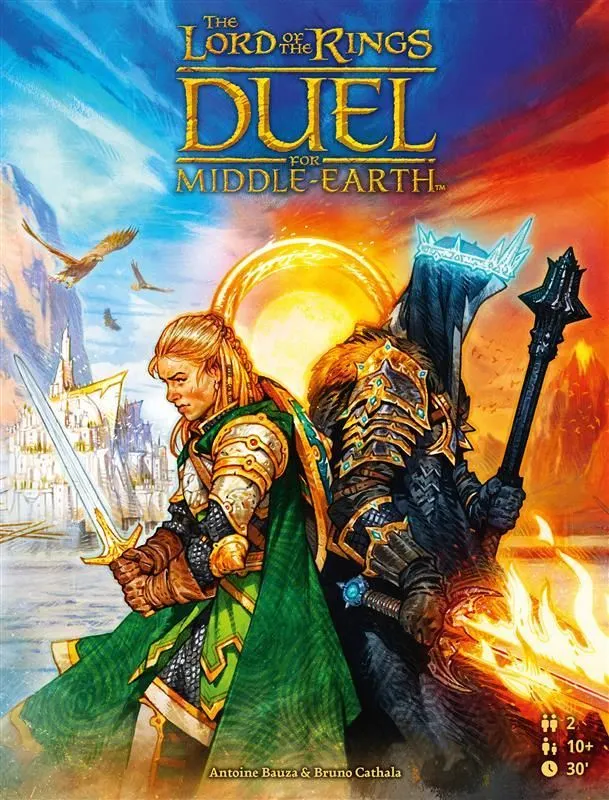
The Lord of the Rings: Duel for Middle-earth
- 2 graczy
- 30 min
- Złożoność 2,1/5
- 2024

2008
Pomoc w zasadach gry Genji
Zrozumiałe wyjaśnienia tur, efektów kart i spornych sytuacji z odnośnikami do oficjalnych źródeł i zapisaną historią pytań.
Dla 2 graczy
Co chcesz wiedzieć?
Odpowiedzi pochodzą z oficjalnej instrukcji, ze stroną do sprawdzenia.
Genji to gra planszowa wydana w 2008 roku dla 2–6 graczy, z rozgrywką trwającą 45 minut i dla osób od 10 lat. Projekt gry: Dylan Kirk. Główne mechaniki: Hand Management, Set Collection i Modular Board.







Po angielsku
In an age when poetry and the arts reigned supreme, the nights of Kyoto were filled with romance. Gentlemen of the Imperial court, ordinary clerks and functionaries by day, went out at night to meet their secret lovers in furtive trysts. Writing by the light of the moon, each tried to craft the finest and most moving poetry in the form of the Tanka, a short verse composed of only five lines. The best poems evoked the scene, the season, and represented the depth of the courtier's knowledge of the fashionable themes at court. By far, the most successful such lover was a fictional one named Hikaru Genji, the Shining Prince. Genji was, for the ladies of the court, the symbol of the perfect lover. For the men of the court, he was the perfect example to emulate. In GENJI, players take the roles of courtiers out to woo fair princesses. Players score points for writing the finest poetry, or winning the most hearts. But beware: other courtiers will be waiting in the wings to steal those hearts away! Take your brush in hand, and set out on the night streets of Kyoto. The romance of the height of the Heian Period awaits you in GENJI. From BoardgameNews.com: "Players in Genji try to learn from the historical figure of Genji and woo the ladies of the Imperial Court with their poetry. Twelve ladies, each bearing a symbol of one of the four seasons as well as one of three fashions – melancholy, nature, romance – are laid out in a circle, with a fashion card chosen at random to show players what type of poetry is in style. "In each of the four seasons, each player will travel from his “home” – a lady chosen at the start of the game that bears his marker – around the circle in either direction. A player moves 1-3 spaces each turn, then either studies new material (discards poetry cards and draws new ones) or woos the lady he is currently visiting. If he has no rivals who have previously presented her with poems, he can present her with a poem on one or two cards. “Each poem card has the top or the bottom of a classic Tanka poem (5 lines, 5,7,5,7,7 syllables each, respectively),” says Kirk. “A poem can be considered either a top, a bottom, or a match of the two cards.” "If another player has already presented a poem, then he can either complete the poem (assuming only a single card was played) or challenge it (by playing a poem card that increases the beauty of the poem, thus revealing the other player for the poser he is). In the latter case, you discard your contribution and the matching half, then add the remaining half poem to your hand to be used later. ... "The round ends once a player returns home and makes a final study or woo action. Players then score points if they have the most poems on the board for that season, have presented the most beautiful poem of the season, or pitched woo at the home of another player. Yes, being a scoundrel can pay off."
Według katalogu Genji obsługuje od 2 do 6 graczy. Ten zakres odpowiada liczbie graczy podanej przez wydawcę, więc grę można przygotować dla dowolnej grupy w jego granicach. Przygotowanie, niektóre zasady i punktacja mogą jednak różnić się w zależności od liczby graczy; dokładną konfigurację sprawdź w instrukcji swojego wydania.
Podany czas rozgrywki w Genji wynosi 45 minut. To szacunek wydawcy dla pełnej partii. Rzeczywisty czas zależy od grupy, liczby graczy i znajomości zasad: pierwsze partie zwykle trwają dłużej, a doświadczone grupy kończą szybciej. Przygotowanie gry i tłumaczenie zasad nie są wliczone w ten szacunek.
Katalog podaje dla Genji wiek od 10 lat. To zalecenie wydawcy, które uwzględnia wymagania dotyczące czytania, złożoność zasad i drobne elementy, a nie tylko tematykę. Młodsi gracze często mogą dołączyć z pomocą dorosłego; sprawdź zalecenie wiekowe swojego wydania i weź pod uwagę doświadczenie grupy z grami planszowymi.
Genji ma ocenę złożoności 2,0 na 5 według graczy BoardGameGeek, co czyni ją grą raczej lekką. Ocena pokazuje, ile znajomości zasad, planowania i podejmowania decyzji wymaga typowa rozgrywka. Cięższe gry wymagają dłuższego pierwszego tłumaczenia, dlatego przed wieczorem z grami warto skorzystać z przewodnika przygotowania.
Genji należy do tych kategorii: Card Game i Novel-based. Główne mechaniki to Hand Management, Set Collection i Modular Board. Kategorie opisują temat i świat gry, a mechaniki to, co gracze faktycznie robią w swojej turze. Każda mechanika prowadzi do strony katalogu z podobnymi grami, co pomaga znaleźć coś porównywalnego na kolejny wieczór.
Autorzy wymienieni przy Genji to: Dylan Kirk. Te informacje pochodzą z opublikowanych danych gry i wskazują osoby odpowiedzialne za jej projekt, a nie ilustratorów czy wydawców. Strony autorów w MeepleRules zbierają inne tytuły tych samych twórców, co pomaga, gdy gra ci się podoba i szukasz podobnych.
W katalogu Genji figuruje jako gra podstawowa. Można w nią grać samodzielnie, korzystając z elementów z pudełka, bez żadnego innego tytułu. Dodatki, jeśli istnieją, dokładają nową zawartość lub zasady i są wymienione w katalogu osobno, z odnośnikiem do tej gry podstawowej.