

- Pozycja w BGG
- BGG #22 775
- Ocena BGG
- 6,2
Reconquista! The Struggle for Iberia, 850-1250 AD
- 1–3 graczy
- 240 min
- Złożoność 2,8/5
- 2013
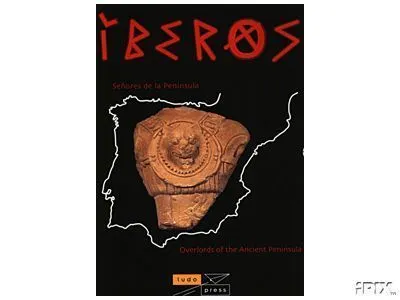
2002
Pomoc w zasadach gry Iberos: Overlords of the Ancient Peninsula
Zrozumiałe wyjaśnienia tur, efektów kart i spornych sytuacji z odnośnikami do oficjalnych źródeł i zapisaną historią pytań.
Dla 2 graczy
Co chcesz wiedzieć?
Odpowiedzi pochodzą z oficjalnej instrukcji, ze stroną do sprawdzenia.
Iberos: Overlords of the Ancient Peninsula to gra planszowa wydana w 2002 roku dla 2 graczy, z rozgrywką trwającą 120–600 minut i dla osób od 12 lat. Projekt gry: Javier Romero. Główne mechaniki: Variable Player Powers, Area Movement i Action Points.





Po angielsku
Extracted from consimworld.com: IBEROS is an operational simulation of low to medium complexity of warfare in the Ancient Peninsula. It is packaged in a slipcase box that includes one 60 x 52 cm map, 240 full-color die cut counters, one standard and scenario rules booklet, one historical commentary booklet, and two player aid cards. Game turns are one year each: after collecting silver and/or receiving it from Rome, you can pay your troops, recruit tribal levies, and perform other administrative functions. After that comes the Operations Phase. During it, each force (one or more Field Armies, Tribal Levies, etc) can perform certain operations, using Operation Points (OP). These actions include combat, diplomacy (you can try to control any area through diplomacy), besiege cities, pillage, recruit mercenaries, or build colonies. At the end of the Operations Phase, forces retire to winter quarters. The most outstanding features of the game are the Prestige Point Level and the differences between Regular and Irregular warfare. The Prestige Level (PP) simulates the prestige of the civilized armies (Punic, Romans, Sertorians) among the Iberian tribes, and the tendency of the latter to switch to the side that seems to be winning... Certain results of the CRTs add or decrease the PP level of each side. Then, if your PP level is above 2, you have positive die roll modifiers on the Diplomacy Table. And vice versa if your PP level is 0 or lower. Leaders play a key role since their modifiers are applied to retreat before combat, diplomacy, all kinds of combat, operations, interception, etc. Leaders are rated for Military and Diplomatic skills (The highest is Sertorius, with +3 +3). Roman leaders (Praetors, one each for Hispania Citerior and Hispania Ulterior) are changed randomly each year when they're elected by the Senate of Rome. If you have quality leaders, your chances of avoid/provoke combat are higher, and vice versa. The irregular, "hit and run" tactics of the inhabitants of the peninsula characterized the Roman conquest and were the cause why the Romans took 200 years to completely control all of Hispania. All combat units have Regular and Irregular Combat factors. The attacker can always choose which CRT he is going to use. The idea here was to simulate the asymmetrical war fought out between the Roman/Punic invaders and the native peoples. If you can impose your style of fighting, (the other can not avoid combat) then you have the edge over the enemy. The game is played in scenarios. There are 9, from the Punic reconquest of Iberia (237-221 BCE) to the Cantabria campaigns of Caesar Augustus (24-19 BCE). There are a set of common rules for all the scenarios, plus specific rules for each scenario. There are fast playing scenarios (such as the Roman Civil War, or the Cantabrian wars) that can be played in two-three hours, and other that take 6-10 hour of play (up to 17 turns, such as Cato's campaign of 195 BCE, or the II Lusitanian War). Each scenario has its own Random Events Table. Some of the Random Events included are: plague, Excellent/Bad Crops, Tribal Rebellions galore, bribing enemy mercenaries, Numidian rebellion (for the II Punic War scenario), Alliance with Mithridates (Sertorius War scenario), and more. Optional rules include assassination of enemy leaders (you must spend Operations Points and Treasury Points for that), Rivalry between Iberian tribes (The Romans took advantage of this to apply the "divide and conquer" routine), Mountain redoubts (Mons Vidius, Mons Medulius...), or troop upgrade.
Według katalogu Iberos: Overlords of the Ancient Peninsula obsługuje 2 graczy. To liczba graczy podana przez wydawcę, więc gra jest zaprojektowana dokładnie dla takiej liczby uczestników. Warianty dla grup innej wielkości, jeśli w ogóle istnieją, opisano w instrukcji twojego wydania; sprawdź ją uważnie, zanim przygotujesz inną konfigurację stołu.
Podany czas rozgrywki w Iberos: Overlords of the Ancient Peninsula wynosi 120–600 minut. To szacunek wydawcy dla pełnej partii. Rzeczywisty czas zależy od grupy, liczby graczy i znajomości zasad: pierwsze partie zwykle trwają dłużej, a doświadczone grupy kończą szybciej. Przygotowanie gry i tłumaczenie zasad nie są wliczone w ten szacunek.
Katalog podaje dla Iberos: Overlords of the Ancient Peninsula wiek od 12 lat. To zalecenie wydawcy, które uwzględnia wymagania dotyczące czytania, złożoność zasad i drobne elementy, a nie tylko tematykę. Młodsi gracze często mogą dołączyć z pomocą dorosłego; sprawdź zalecenie wiekowe swojego wydania i weź pod uwagę doświadczenie grupy z grami planszowymi.
Iberos: Overlords of the Ancient Peninsula ma ocenę złożoności 2,9 na 5 według graczy BoardGameGeek, co czyni ją grą raczej lekką. Ocena pokazuje, ile znajomości zasad, planowania i podejmowania decyzji wymaga typowa rozgrywka. Cięższe gry wymagają dłuższego pierwszego tłumaczenia, dlatego przed wieczorem z grami warto skorzystać z przewodnika przygotowania.
Iberos: Overlords of the Ancient Peninsula należy do tych kategorii: Economic, Wargame i Political. Główne mechaniki to Variable Player Powers, Area Movement i Action Points. Kategorie opisują temat i świat gry, a mechaniki to, co gracze faktycznie robią w swojej turze. Każda mechanika prowadzi do strony katalogu z podobnymi grami, co pomaga znaleźć coś porównywalnego na kolejny wieczór.
Autorzy wymienieni przy Iberos: Overlords of the Ancient Peninsula to: Javier Romero. Te informacje pochodzą z opublikowanych danych gry i wskazują osoby odpowiedzialne za jej projekt, a nie ilustratorów czy wydawców. Strony autorów w MeepleRules zbierają inne tytuły tych samych twórców, co pomaga, gdy gra ci się podoba i szukasz podobnych.
W katalogu Iberos: Overlords of the Ancient Peninsula figuruje jako gra podstawowa. Można w nią grać samodzielnie, korzystając z elementów z pudełka, bez żadnego innego tytułu. Dodatki, jeśli istnieją, dokładają nową zawartość lub zasady i są wymienione w katalogu osobno, z odnośnikiem do tej gry podstawowej.