

- Pozycja w BGG
- BGG #7962
- Ocena BGG
- 7,0
Bismarck (Second Edition)
- 2 graczy
- 150–240 min
- Złożoność 3,2/5
- 1978
2015
Pomoc w zasadach gry Iron Bottom Sound III
Zrozumiałe wyjaśnienia tur, efektów kart i spornych sytuacji z odnośnikami do oficjalnych źródeł i zapisaną historią pytań.
Dla 1 gracza
Co chcesz wiedzieć?
Odpowiedzi pochodzą z oficjalnej instrukcji, ze stroną do sprawdzenia.
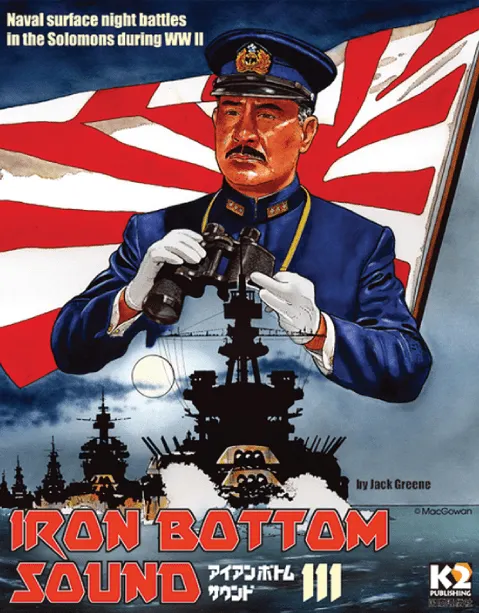
Iron Bottom Sound III to gra planszowa wydana w 2015 roku dla 1–2 graczy. Projekt gry: Jack Greene. Główne mechaniki: Dice Rolling, Paper-and-Pencil i Hexagon Grid.





Po angielsku
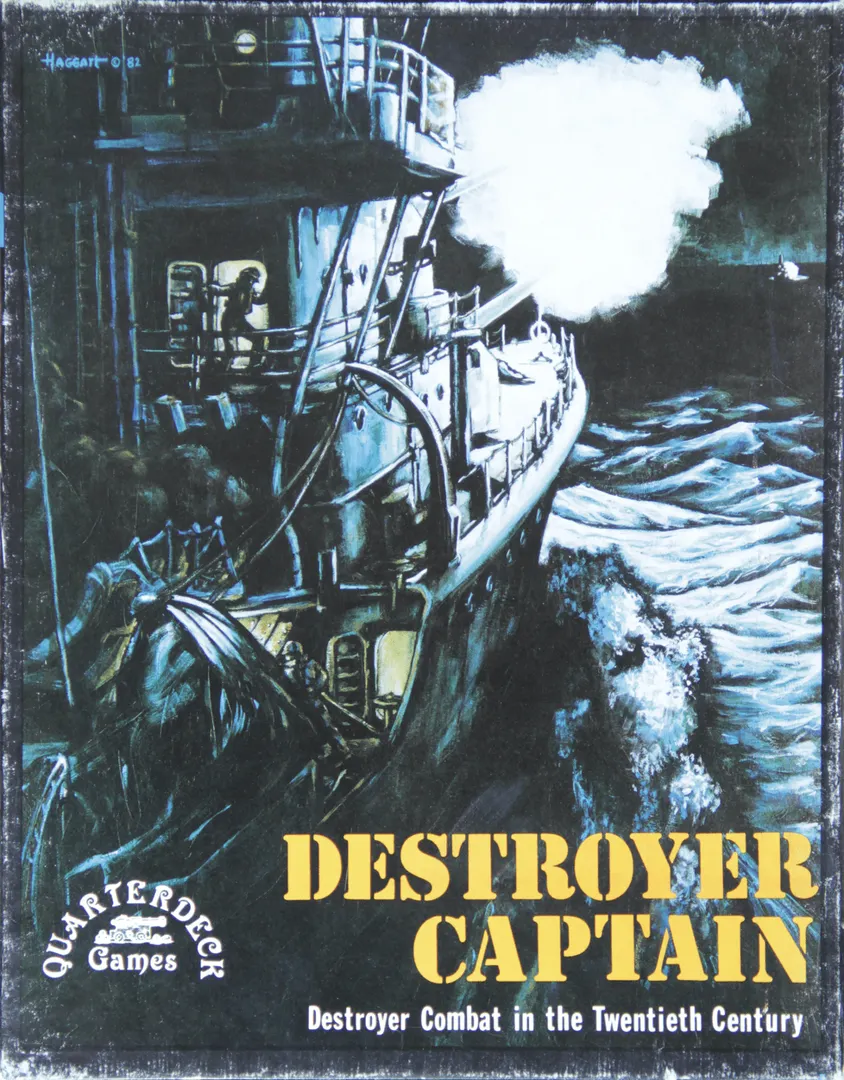
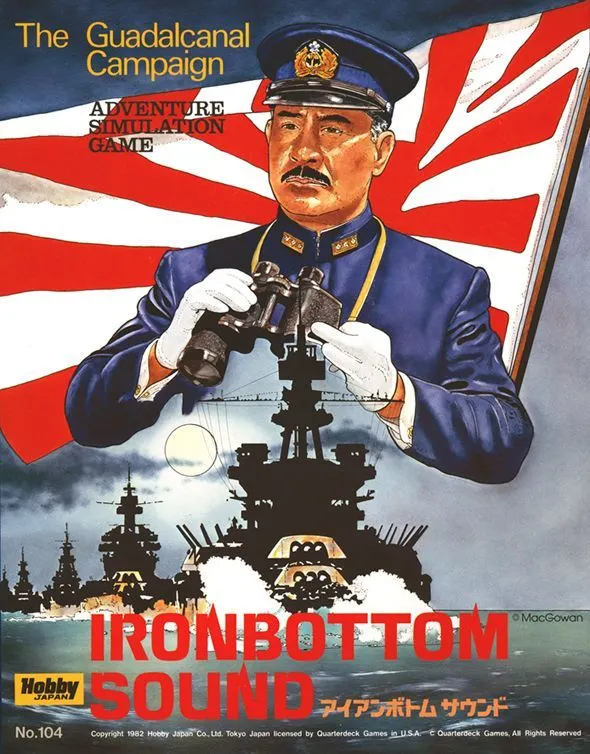
From the publisher Iron Bottom Sound III is a re-launch of Jack Greene’s award winning tactical naval combat game of the fighting in the Pacific in 1942-43. This game has been extensively updated from the original and includes twelve scenarios (and additional new rules) as well as additional ships for future scenarios to be made available on line at Quarterdeck International’s ConSim World (CSW) site. Iron Bottom Sound III includes corrected scenarios from earlier versions, several 1943 actions, one Channel action between the Brits and the Germans, as well as two revised 1928 hypothetical actions between American and Japanese battleships and battlecruisers. The Japanese and Germans have slightly higher Victory Point value as their loss is tougher on them than the Allies. This boxed bookcase style game (and a STOUT box at that!) weighing OVER a kilo contains the following components: One 22.5” x 22” dark blue MOUNTED map. Two cut out islands - one is Savo in the old traditional daylight hour’s style and Kolombangara in nighttime shades. Two FULL countersheets. The ship counters, in Japanese and English, have top views on one side and silhouettes on the reverse for player’s choice. No generic images either, but the ACTUAL ship is displayed. Two COLOR 11” x 17” combat charts, one in English, the other in Japanese. Two 32 page rulebooks with scenarios with one ONLY in English. They represent my gaming philosophy of BIG print, plenty of room between lines (translation: EASY TO READ) – and the rulebook portion INCLUDING all optional rules are only 17 pages. A 24 page “Ship Log” booklet with the scenario Roster Sheets for playing the scenarios in both English and Japanese, generic ship logs for making your own (as done in THE ROYAL NAVY) and a movement/attack log, all suitable for photocopying. Game counters include all the ships and EXTRA ones too. Also torpedoes, smoke screens (NEW), fires, decoys (NEW), wrecks, fired markers (NEW) and starshells are included. Ships included are the YAMATO, MUTSU, NORTH CAROLINA, COLORADO, the battlecruiser LEXINGTON and more.
Według katalogu Iron Bottom Sound III obsługuje od 1 do 2 graczy. Ten zakres odpowiada liczbie graczy podanej przez wydawcę, więc grę można przygotować dla dowolnej grupy w jego granicach. Przygotowanie, niektóre zasady i punktacja mogą jednak różnić się w zależności od liczby graczy; dokładną konfigurację sprawdź w instrukcji swojego wydania.
Iron Bottom Sound III ma ocenę złożoności 2,7 na 5 według graczy BoardGameGeek, co czyni ją grą raczej lekką. Ocena pokazuje, ile znajomości zasad, planowania i podejmowania decyzji wymaga typowa rozgrywka. Cięższe gry wymagają dłuższego pierwszego tłumaczenia, dlatego przed wieczorem z grami warto skorzystać z przewodnika przygotowania.
Iron Bottom Sound III należy do tych kategorii: Wargame, Nautical i World War II. Główne mechaniki to Dice Rolling, Paper-and-Pencil i Hexagon Grid. Kategorie opisują temat i świat gry, a mechaniki to, co gracze faktycznie robią w swojej turze. Każda mechanika prowadzi do strony katalogu z podobnymi grami, co pomaga znaleźć coś porównywalnego na kolejny wieczór.
Autorzy wymienieni przy Iron Bottom Sound III to: Jack Greene. Te informacje pochodzą z opublikowanych danych gry i wskazują osoby odpowiedzialne za jej projekt, a nie ilustratorów czy wydawców. Strony autorów w MeepleRules zbierają inne tytuły tych samych twórców, co pomaga, gdy gra ci się podoba i szukasz podobnych.
W katalogu Iron Bottom Sound III figuruje jako gra podstawowa. Można w nią grać samodzielnie, korzystając z elementów z pudełka, bez żadnego innego tytułu. Dodatki, jeśli istnieją, dokładają nową zawartość lub zasady i są wymienione w katalogu osobno, z odnośnikiem do tej gry podstawowej.