
- Pozycja w BGG
- BGG #5647
- Ocena BGG
- 8,3
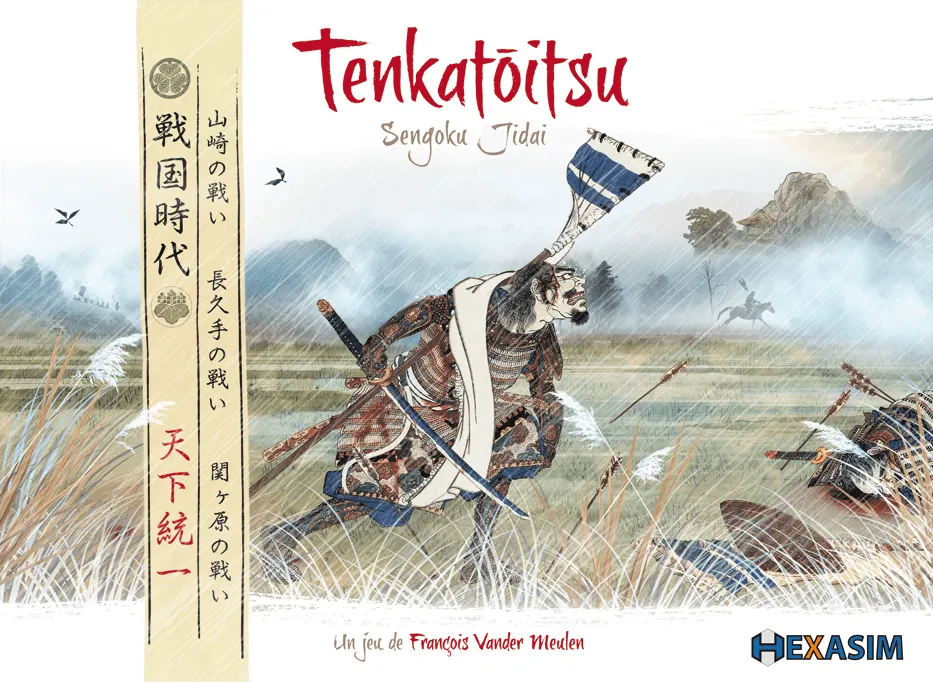
Tenkatoitsu
- 1–2 graczy
- 180–420 min
- Złożoność 3,4/5
- 2016
2009
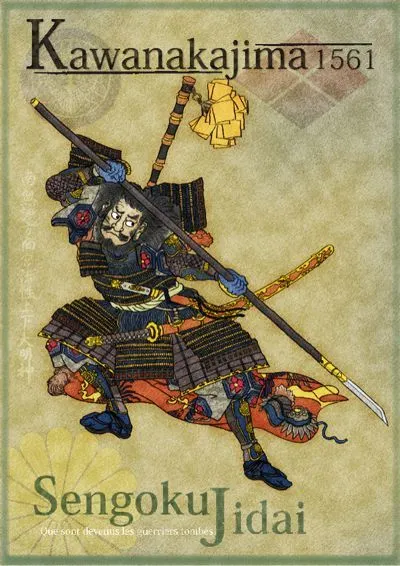
Pomoc w zasadach gry Kawanakajima 1561
Zrozumiałe wyjaśnienia tur, efektów kart i spornych sytuacji z odnośnikami do oficjalnych źródeł i zapisaną historią pytań.
Dla 1 gracza
Co chcesz wiedzieć?
Odpowiedzi pochodzą z oficjalnej instrukcji, ze stroną do sprawdzenia.
Kawanakajima 1561 to gra planszowa wydana w 2009 roku dla 1–2 graczy i z rozgrywką trwającą 120–240 minut. Projekt gry: François Vander Meulen. Główne mechaniki: Dice Rolling, Hexagon Grid i Simulation.




Po angielsku
(from Hexasim website:) Kawanakajima 1561, simulates the fourth battle of Kawanakajima. This will be the first game in the series Sengoku Jidai, which will cover battles in 16th century Japan. The system is designed so players can finish a game in an evening, and has simple but dynamic mechanics. In the game, each player takes the role of a commander in chief. Each army consists of various clans, and the players have to choose an action for each of their clans. Each clan is represented by 1 to 3 units. The units have various abilities, summarized by the 4 factors: élan, mass, fire and the presence of a leader. Elan represents factors such as the unit's mobility, and its boldness in attack, and is also used to reflect the advantage that cavalry can have over infantry when attacking. The unit's mass represents its staying power, such as its ability to resist a cavalry charge or a rout. A unit's abilities are tied to the value of its four factors and the current mode of the clan that it belongs to. A clan can be placed in one of four modes: Attack, Defense, Move, and Rally. The owning clan's mode will affect a unit's ability to move or engage in combat. A game turn consists of alternating phases where a player can activate his units. The order in which activations will occur is tied to a chit pull system. The game system requires each player to plan carefully how to win. They must maneuver to gain numerical superiority, deploy in terrain that takes advantage of their clan's mode, and try to surprise his opponent by attacking troops that are not prepared. The system also places the players under the same historical limitations as the actual Japanese leaders. Japanese generals of this time prearranged their battle plans and coordinated their armies with a precise system of semaphore flags and sound signals. The game includes 2 scenarios: one depicting the historical battle, and a "what if?" hypothetical scenario. In the historical scenario, Takeda's army is divided in two contingents. One of the contingents is taken by surprise by Uesugi's army, and has to fight a holding action until the rest of the army can come to its aid. The hypothetical scenario explores what could have happened several days before the historical battle. In Kawanakajima 1561 a hex represents about 250 meters and a strength point corresponds to around 100 men. Game components: 1 map A1 (84cm*60cm) 228 game counters (88 5/8inch, 140 1/2inch) one rule book with scenarios Game play aids Cardboard jacket 4 dice
Według katalogu Kawanakajima 1561 obsługuje od 1 do 2 graczy. Ten zakres odpowiada liczbie graczy podanej przez wydawcę, więc grę można przygotować dla dowolnej grupy w jego granicach. Przygotowanie, niektóre zasady i punktacja mogą jednak różnić się w zależności od liczby graczy; dokładną konfigurację sprawdź w instrukcji swojego wydania.
Podany czas rozgrywki w Kawanakajima 1561 wynosi 120–240 minut. To szacunek wydawcy dla pełnej partii. Rzeczywisty czas zależy od grupy, liczby graczy i znajomości zasad: pierwsze partie zwykle trwają dłużej, a doświadczone grupy kończą szybciej. Przygotowanie gry i tłumaczenie zasad nie są wliczone w ten szacunek.
Kawanakajima 1561 ma ocenę złożoności 2,8 na 5 według graczy BoardGameGeek, co czyni ją grą raczej lekką. Ocena pokazuje, ile znajomości zasad, planowania i podejmowania decyzji wymaga typowa rozgrywka. Cięższe gry wymagają dłuższego pierwszego tłumaczenia, dlatego przed wieczorem z grami warto skorzystać z przewodnika przygotowania.
Kawanakajima 1561 należy do tych kategorii: Wargame, Renaissance i Pike and Shot. Główne mechaniki to Dice Rolling, Hexagon Grid i Simulation. Kategorie opisują temat i świat gry, a mechaniki to, co gracze faktycznie robią w swojej turze. Każda mechanika prowadzi do strony katalogu z podobnymi grami, co pomaga znaleźć coś porównywalnego na kolejny wieczór.
Autorzy wymienieni przy Kawanakajima 1561 to: François Vander Meulen. Te informacje pochodzą z opublikowanych danych gry i wskazują osoby odpowiedzialne za jej projekt, a nie ilustratorów czy wydawców. Strony autorów w MeepleRules zbierają inne tytuły tych samych twórców, co pomaga, gdy gra ci się podoba i szukasz podobnych.
W katalogu Kawanakajima 1561 figuruje jako gra podstawowa. Można w nią grać samodzielnie, korzystając z elementów z pudełka, bez żadnego innego tytułu. Dodatki, jeśli istnieją, dokładają nową zawartość lub zasady i są wymienione w katalogu osobno, z odnośnikiem do tej gry podstawowej.