
- Ocena BGG
- 8,0
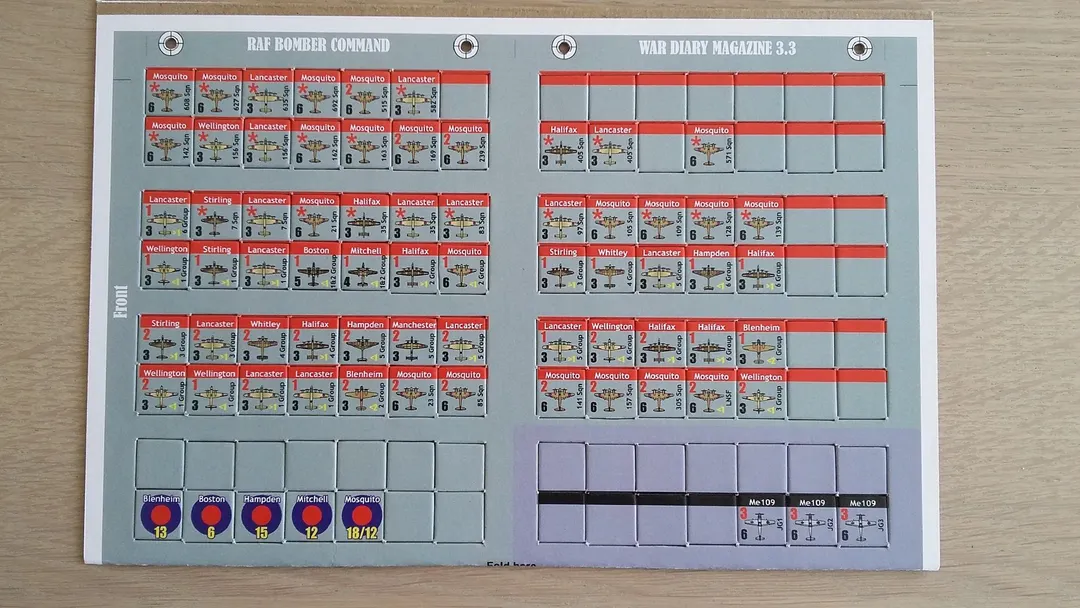
Luftwaffe: RAF Bomber Command Expansion
- 1–2 graczy
- 200–240 min
- 2018
%2Fpic249323.jpg@webp)
2007
Pomoc w zasadach gry Luftwaffe: Aerial Combat – Germany 1943-45
Zrozumiałe wyjaśnienia tur, efektów kart i spornych sytuacji z odnośnikami do oficjalnych źródeł i zapisaną historią pytań.
Dla 2 graczy
%2Fpic249323.jpg@webp)
Co chcesz wiedzieć?
Odpowiedzi pochodzą z oficjalnej instrukcji, ze stroną do sprawdzenia.
Luftwaffe: Aerial Combat – Germany 1943-45 to gra planszowa wydana w 2007 roku dla 2 graczy, z rozgrywką trwającą 240 minut i dla osób od 12 lat. Projekt gry: Lou Zocchi i Joseph Miranda. Główne mechaniki: Dice Rolling, Grid Movement i Secret Unit Deployment.


Po angielsku
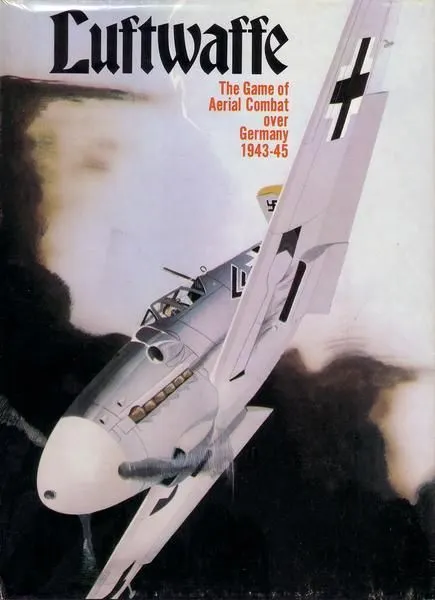
(from the Decision Games web site:) Luftwaffe is an update of the classic Avalon Hill game covering the US strategic bombing campaign over Europe in World War II. As the US commander, your mission is to eliminate key German industrial complexes. You select the targets, direct the bombers, and plan a strategy intended to keep the Luftwaffe off-balance. As the German commander, the entire arsenal of German aircraft is at your disposal against the finest in Allied designs. Turns are quarterly, with German reinforcements keyed to that player's production choices. Units are wings and squadrons, and they're rated by type, sub-type, firepower, maneuverability and endurance. There are rules for radar, electronic warfare, variable production strategies, aces, target complexes, critical industries and diversion of forces to support the ground war. Beyond that, the original, classic game system remains essentially sound and hasn't otherwise been changed much. Most of the upgrade was in adding in additional rules, revising the order of battle, and adding more deployment and industrial options. The reverse side of the units now represents a condition of loss of effectiveness, rather than loss of material strength. That's due to a combination of factors: damage to aircraft, an infusion of novice pilots, or to veteran crews suffering combat fatigue. Historically, pilot training and morale were critical factors, and the game now shows that. Replacement points represent not only new aircraft but also logistical support, rest and relaxation time for aircrews, all of which are used to restore fatigued units to good morale. Fatigued units count the same as veterans for stacking on the assumption that a shot up or novice unit would be more difficult to coordinate in the air. The orders of battle are much the same as in the original game, though the German player now has to plan ahead if he wants to get jets. We added a US P-61 unit. While P-61s were historically used mostly as night fighters, the USAAF based two groups in France and used them as intruders, so they can be useful in attacking German airbases. The Americans also get a "Droop-Snoot" P-38. They were P-38s that had their guns replaced with a bombardier and were used as light bombers. While only a small number were built, they were effective as bomber-leaders, so they're included in this edition. The German player can now increase his ability to stack by expending fuel points, representing training pilots in large-unit formation tactics. The US player doesn't need to do that, since they had a much bigger training base as well as unlimited fuel. Since the Germans now get additional oil, owing to a more historic evaluation of the Ploesti fields, they can maintain an effective fighter defense as long as they can preserve that reserve of fuel. There are also other new targets on the map, such as the Germans' power generation grid. In the original game the US player had to bomb all the targets on the map to win. Given the way the victory point system now works, the Americans need bomb about four out of the five major target systems to win, thereby duplicating the historic result.
Według katalogu Luftwaffe: Aerial Combat – Germany 1943-45 obsługuje 2 graczy. To liczba graczy podana przez wydawcę, więc gra jest zaprojektowana dokładnie dla takiej liczby uczestników. Warianty dla grup innej wielkości, jeśli w ogóle istnieją, opisano w instrukcji twojego wydania; sprawdź ją uważnie, zanim przygotujesz inną konfigurację stołu.
Podany czas rozgrywki w Luftwaffe: Aerial Combat – Germany 1943-45 wynosi 240 minut. To szacunek wydawcy dla pełnej partii. Rzeczywisty czas zależy od grupy, liczby graczy i znajomości zasad: pierwsze partie zwykle trwają dłużej, a doświadczone grupy kończą szybciej. Przygotowanie gry i tłumaczenie zasad nie są wliczone w ten szacunek.
Katalog podaje dla Luftwaffe: Aerial Combat – Germany 1943-45 wiek od 12 lat. To zalecenie wydawcy, które uwzględnia wymagania dotyczące czytania, złożoność zasad i drobne elementy, a nie tylko tematykę. Młodsi gracze często mogą dołączyć z pomocą dorosłego; sprawdź zalecenie wiekowe swojego wydania i weź pod uwagę doświadczenie grupy z grami planszowymi.
Luftwaffe: Aerial Combat – Germany 1943-45 ma ocenę złożoności 2,8 na 5 według graczy BoardGameGeek, co czyni ją grą raczej lekką. Ocena pokazuje, ile znajomości zasad, planowania i podejmowania decyzji wymaga typowa rozgrywka. Cięższe gry wymagają dłuższego pierwszego tłumaczenia, dlatego przed wieczorem z grami warto skorzystać z przewodnika przygotowania.
Luftwaffe: Aerial Combat – Germany 1943-45 należy do tych kategorii: Wargame, World War II i Aviation / Flight. Główne mechaniki to Dice Rolling, Grid Movement i Secret Unit Deployment. Kategorie opisują temat i świat gry, a mechaniki to, co gracze faktycznie robią w swojej turze. Każda mechanika prowadzi do strony katalogu z podobnymi grami, co pomaga znaleźć coś porównywalnego na kolejny wieczór.
Autorzy wymienieni przy Luftwaffe: Aerial Combat – Germany 1943-45 to: Lou Zocchi i Joseph Miranda. Te informacje pochodzą z opublikowanych danych gry i wskazują osoby odpowiedzialne za jej projekt, a nie ilustratorów czy wydawców. Strony autorów w MeepleRules zbierają inne tytuły tych samych twórców, co pomaga, gdy gra ci się podoba i szukasz podobnych.
W katalogu Luftwaffe: Aerial Combat – Germany 1943-45 figuruje jako gra podstawowa. Można w nią grać samodzielnie, korzystając z elementów z pudełka, bez żadnego innego tytułu. Dodatki, jeśli istnieją, dokładają nową zawartość lub zasady i są wymienione w katalogu osobno, z odnośnikiem do tej gry podstawowej.