
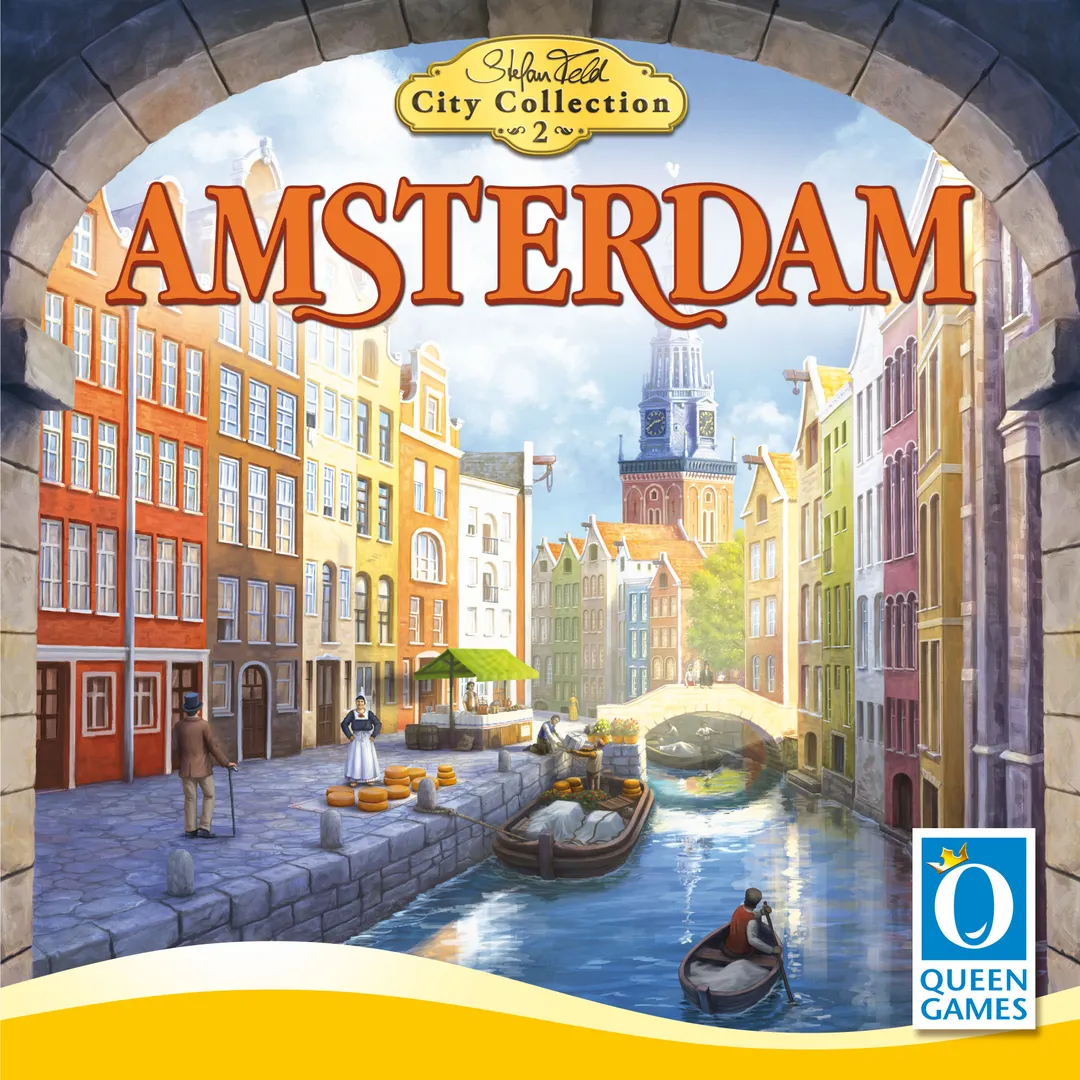
- Pozycja w BGG
- BGG #1902
- Ocena BGG
- 7,6
Amsterdam
- 1–4 graczy
- 60–120 min
- Złożoność 3,4/5
- 2022
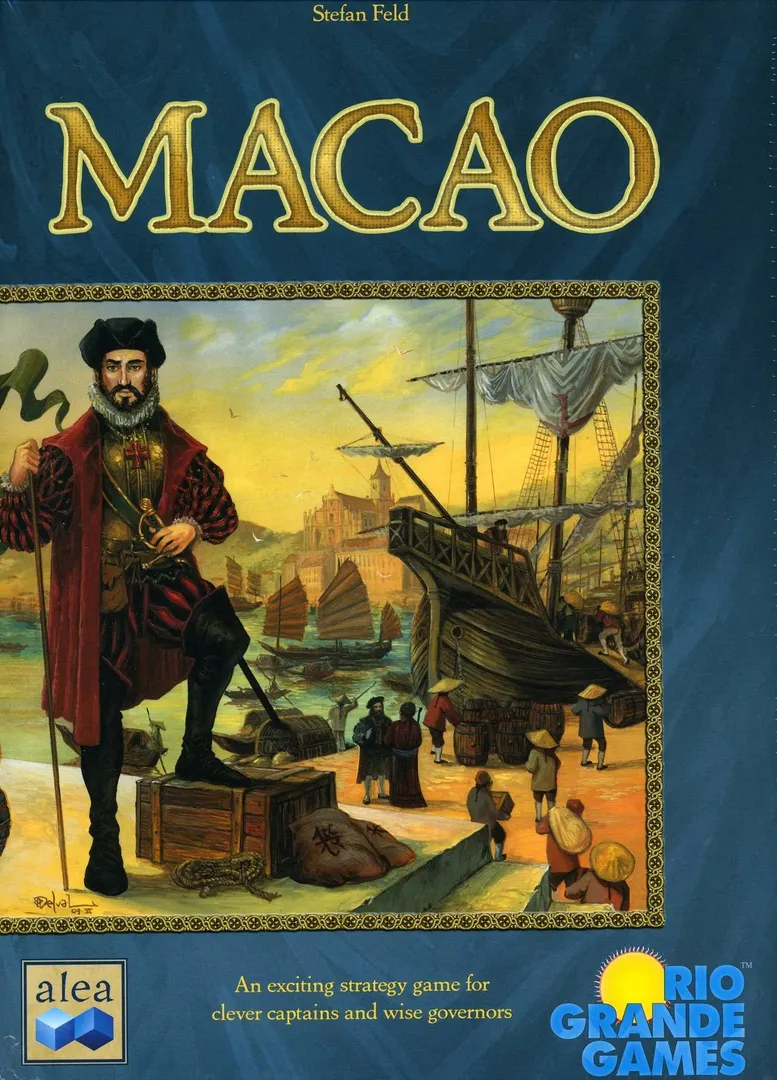
2009
Pomoc w zasadach gry Macao
Zrozumiałe wyjaśnienia tur, efektów kart i spornych sytuacji z odnośnikami do oficjalnych źródeł i zapisaną historią pytań.
Dla 2 graczy
Co chcesz wiedzieć?
Odpowiedzi pochodzą z oficjalnej instrukcji, ze stroną do sprawdzenia.
Macao to gra planszowa wydana w 2009 roku dla 2–4 graczy, z rozgrywką trwającą 50–100 minut i dla osób od 12 lat. Projekt gry: Stefan Feld. Główne mechaniki: Hand Management, Set Collection i Dice Rolling.



Po angielsku
At the end of the 17th century, Macao – the mysterious port city on the southern coast of China – is a Portuguese trading post in the Far East. The players take on the role of energetic and daring adventurers. Many exciting tasks and challenges await the players, whether they are a captain, governor, craftsman, or scholar. Those who chose the wisest course of action and have the best overall strategy will earn the most prestige at the end. Macao lasts twelve rounds, and in each round players select one new card from a display specific to that round, two of which were revealed at the start of the game and others that were revealed only at the start of the round. The deck of 96 cards includes all sorts of special abilities, with the more powerful actions costing more resources to put into play. One player rolls six different-colored dice, then each player selects two of those dice (possibly the same ones chosen by opponents), then places cubes equal to the number and color of the two dice on a personalized "ship's wheel." For example, if a player chooses the blue die that shows a 5, he places five blue cubes on the ship's wheel position five spots away from the current round. (A player can never claim more cubes than the number of remaining rounds). Players rotate their ship's wheels each round, then use the cubes available to them in that round to perform various actions: activating cards selected in that round or earlier rounds, buying city quarters and collecting the goods located there, moving that player's ship around Europe to deliver those goods, acquiring gold coins, taking special actions with card previously activated, and advancing on a turn order track. Players score points by delivering goods, paying gold coins, using the powers on their cards, and building in Macao. Whoever has the most points at the end of twelve rounds wins. Macao is number 13 in the alea big box series, with an estimated difficulty on the alea scale of 6/10.
Według katalogu Macao obsługuje od 2 do 4 graczy. Ten zakres odpowiada liczbie graczy podanej przez wydawcę, więc grę można przygotować dla dowolnej grupy w jego granicach. Przygotowanie, niektóre zasady i punktacja mogą jednak różnić się w zależności od liczby graczy; dokładną konfigurację sprawdź w instrukcji swojego wydania.
Podany czas rozgrywki w Macao wynosi 50–100 minut. To szacunek wydawcy dla pełnej partii. Rzeczywisty czas zależy od grupy, liczby graczy i znajomości zasad: pierwsze partie zwykle trwają dłużej, a doświadczone grupy kończą szybciej. Przygotowanie gry i tłumaczenie zasad nie są wliczone w ten szacunek.
Katalog podaje dla Macao wiek od 12 lat. To zalecenie wydawcy, które uwzględnia wymagania dotyczące czytania, złożoność zasad i drobne elementy, a nie tylko tematykę. Młodsi gracze często mogą dołączyć z pomocą dorosłego; sprawdź zalecenie wiekowe swojego wydania i weź pod uwagę doświadczenie grupy z grami planszowymi.
Macao ma ocenę złożoności 3,1 na 5 według graczy BoardGameGeek, co czyni ją grą średnio złożoną. Ocena pokazuje, ile znajomości zasad, planowania i podejmowania decyzji wymaga typowa rozgrywka. Cięższe gry wymagają dłuższego pierwszego tłumaczenia, dlatego przed wieczorem z grami warto skorzystać z przewodnika przygotowania.
Macao należy do tych kategorii: Dice i Nautical. Główne mechaniki to Hand Management, Set Collection i Dice Rolling. Kategorie opisują temat i świat gry, a mechaniki to, co gracze faktycznie robią w swojej turze. Każda mechanika prowadzi do strony katalogu z podobnymi grami, co pomaga znaleźć coś porównywalnego na kolejny wieczór.
Autorzy wymienieni przy Macao to: Stefan Feld. Te informacje pochodzą z opublikowanych danych gry i wskazują osoby odpowiedzialne za jej projekt, a nie ilustratorów czy wydawców. Strony autorów w MeepleRules zbierają inne tytuły tych samych twórców, co pomaga, gdy gra ci się podoba i szukasz podobnych.
W katalogu Macao figuruje jako gra podstawowa. Można w nią grać samodzielnie, korzystając z elementów z pudełka, bez żadnego innego tytułu. Dodatki, jeśli istnieją, dokładają nową zawartość lub zasady i są wymienione w katalogu osobno, z odnośnikiem do tej gry podstawowej.