- Ocena BGG
- 7,3
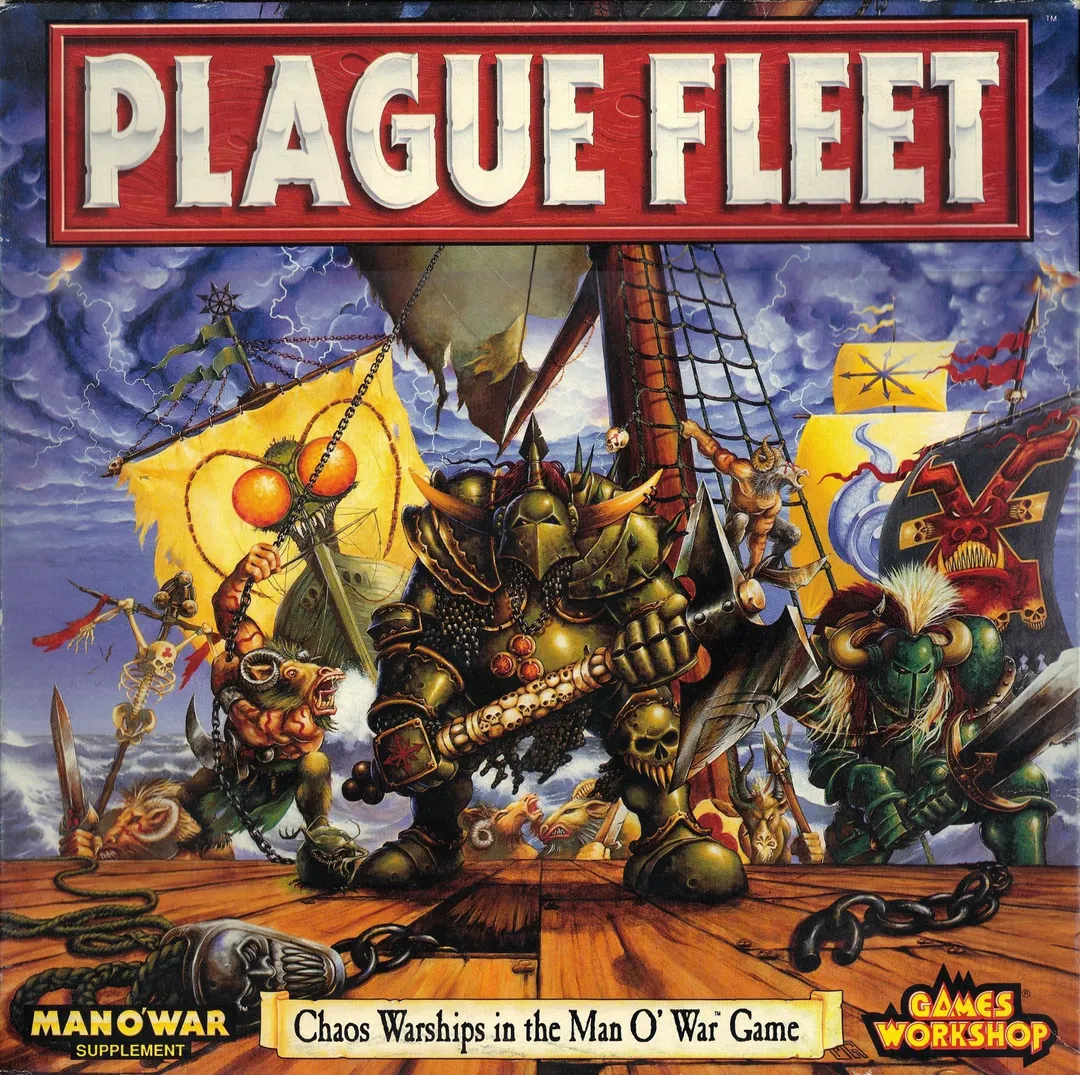
Man O' War: Plague Fleet
- 2 graczy
- 180 min
- Złożoność 3,0/5
- 1993
1993
Pomoc w zasadach gry Man O' War
Zrozumiałe wyjaśnienia tur, efektów kart i spornych sytuacji z odnośnikami do oficjalnych źródeł i zapisaną historią pytań.
Dla 2 graczy
Co chcesz wiedzieć?
Odpowiedzi pochodzą z oficjalnej instrukcji, ze stroną do sprawdzenia.
Man O' War to gra planszowa wydana w 1993 roku dla 2–4 graczy, z rozgrywką trwającą 180 minut i dla osób od 12 lat. Projekt gry: Andy Jones, Nigel Stillman i Bill King. Główne mechaniki: Variable Player Powers, Dice Rolling i Variable Phase Order.
Po angielsku
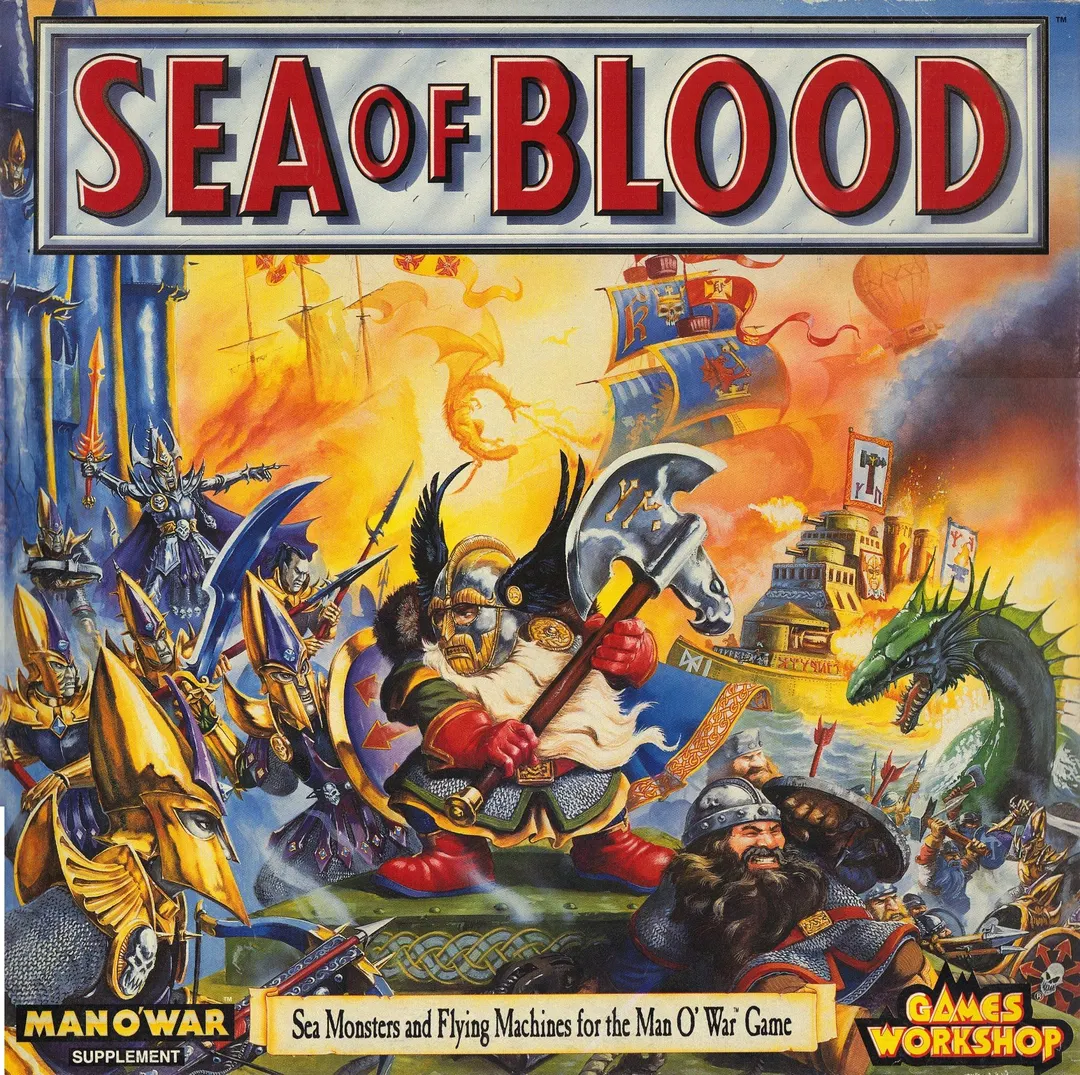
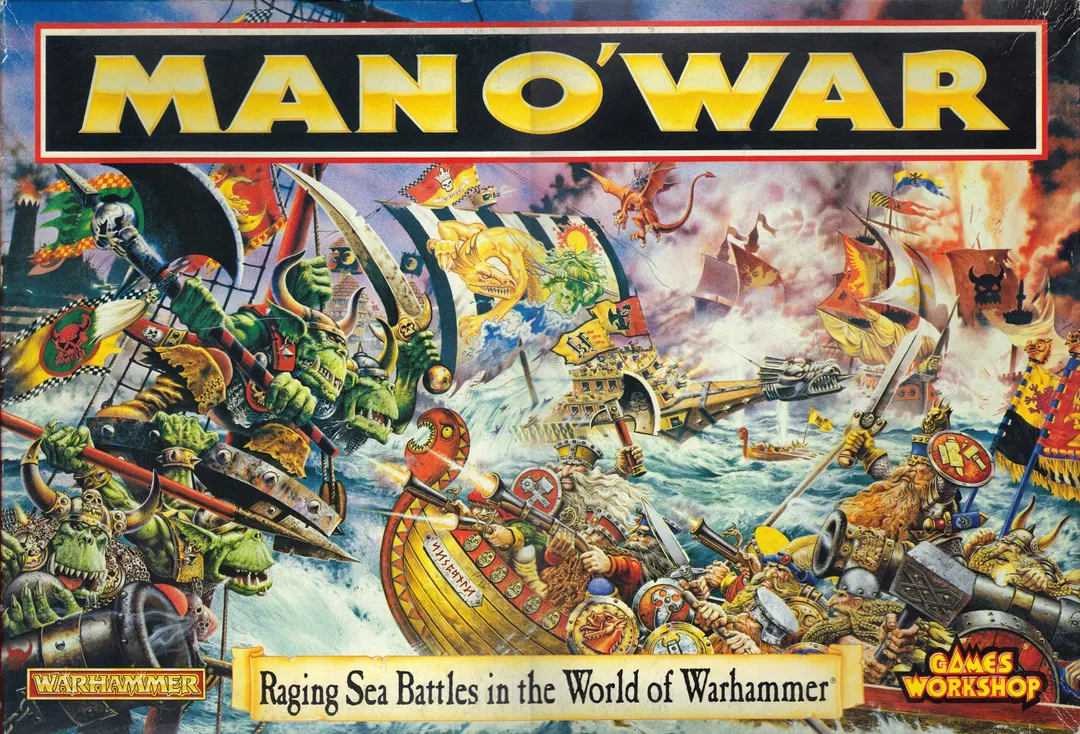
Man O' War is the game of Raging Sea Battles in the Warhammer World. As an admiral of an ocean-going war fleet you must command your ships - which can be either squadrons of Ships of the Line or heavily armored Men O' War and Independents, in the battle for supremacy of the high seas. Players choose fleets from the multitude of races of the Warhammer world. Every ship is represented by a template showing individual areas, each with a description of the items (masts, cannons etc.) in those areas - as well as the damage that they can take before being destroyed. Each location has a value that must be rolled to hit that area when attacked, along with another value that can be rolled by the defending player to possibly prevent any damage that might occur. Ships are classified one of three ways. They are either Ship of the Line (SOL) - which are designed to move as a group of three (each moving and fighting to completion before continuing on with the next ship in the squadron), a Man O' War (MOW)- which are single ships that are much larger, more powerful and crewed by larger numbers than a single SOL classed ship, or finally as an Independent (IND) - which are used individually like a Man O' War but are more in line in strength and abilities to that of a Ship of the Line. At the beginning of each turn, players determine Initiative by each rolling a die which determines who will go 1st in each phase - if the numbers are different, or how the wind direction changes if they both roll the same number. If the wind changes, the initiative roll and resolution is repeated until one player wins the die roll. Players then conduct the Magic Phase with each Admiral having his Wizard make one spell attempt if desired based on the Initiative order previously determined. If a spell is successful, the other player can try and dispel that spell just cast - but only if they have a corresponding type of magic to make the attempt. Next comes the Battle phase - which is also based on the previously determined initiative roll. Players alternate between phases of Movement/Combat, each choosing a single MOW, IND or SOL Squadron and then conducting movement (if desired) and/or making attacks, before passing the turn sequence back to their opponent. This process continues until all ships have been activated on both sides. Once that has occurred, the turn is over and a series of quick turn ending/record keeping events occurs before moving to the next turn. Game play continues for a predetermined time or until one side is destroyed, surrenders or flees the battlefield. The Main Boxed set contained 2 sets of 3 Wargalleys for the Empire and another 2 sets of 3 Wargalleys that were considered Pirates. THe main rules also included Fleet Lists and specific rules for each of the 6 Warhammer Races included in the game: The Imperial (Empire), Bretonnian, Dwarf, High Elf, Dark Elf and Orc. Each Race had had unique features, weapons and abilities that made every battle a new challenge for both players. Rules for a Campaign as well as additional pieces like playing pieces like Shoreforts were also included in the main ruleset. There were two separate expansions to the main game. The first was Plaguefleet which added rules and templates for the Chaos fleets of Khorne, Slaanesh, Tzeentch and Nurgle (collectively known as a Plaguefleet), the Skaven and finally the Chaos Dwarfs. This expansion effectively doubled the number of available fleets for the game. This expansion also included color templates for the original 6 races as well (Imperial, Bretonnian, Dwarf, High Elf, Dark Elf and Orc). The 2nd expansion Sea of Blood mainly introduced new rules for Airpower, Sea Monsters & Beasts and Allies as well as new ships for the Dwarfs and Imperial fleets. The inclusion of the Norse fleet wrapped up the content for this expansion. Finally, complete rules for an Undead fleet - as well as some expansion rules for a few of the other races, were included in several of the issues of Game Workshop's Citadel Journal magazine. A wide variety of miniatures were produced to represent the many ships detailed in the main game and expansion sets but no miniatures were ever officially made for the Undead fleet. Assembling and painting the miniatures gave the game a feeling of being "collectible" as well as being a hobby in itself. Many players have created customized ships and new ships (and even complete fleets) including rules, ships templates and completed miniatures. The largest collection of these creations is housed at Groups IO and there is a very active Facebook Page as well. Man O War is still considered by many GW fan's as one of Games Workshop's best games. The wide variety of different ships, rules for each race and relatively small investment to get up and running contributed greatly to Man O War's popularity. Even today, fans scramble to find copies of the games and with the rise in accessibility to 3D printing, getting a fleet (or two) for this out of print game has never been easier.
Według katalogu Man O' War obsługuje od 2 do 4 graczy. Ten zakres odpowiada liczbie graczy podanej przez wydawcę, więc grę można przygotować dla dowolnej grupy w jego granicach. Przygotowanie, niektóre zasady i punktacja mogą jednak różnić się w zależności od liczby graczy; dokładną konfigurację sprawdź w instrukcji swojego wydania.
Podany czas rozgrywki w Man O' War wynosi 180 minut. To szacunek wydawcy dla pełnej partii. Rzeczywisty czas zależy od grupy, liczby graczy i znajomości zasad: pierwsze partie zwykle trwają dłużej, a doświadczone grupy kończą szybciej. Przygotowanie gry i tłumaczenie zasad nie są wliczone w ten szacunek.
Katalog podaje dla Man O' War wiek od 12 lat. To zalecenie wydawcy, które uwzględnia wymagania dotyczące czytania, złożoność zasad i drobne elementy, a nie tylko tematykę. Młodsi gracze często mogą dołączyć z pomocą dorosłego; sprawdź zalecenie wiekowe swojego wydania i weź pod uwagę doświadczenie grupy z grami planszowymi.
Man O' War ma ocenę złożoności 2,6 na 5 według graczy BoardGameGeek, co czyni ją grą raczej lekką. Ocena pokazuje, ile znajomości zasad, planowania i podejmowania decyzji wymaga typowa rozgrywka. Cięższe gry wymagają dłuższego pierwszego tłumaczenia, dlatego przed wieczorem z grami warto skorzystać z przewodnika przygotowania.
Man O' War należy do tych kategorii: Fantasy, Wargame i Miniatures. Główne mechaniki to Variable Player Powers, Dice Rolling i Variable Phase Order. Kategorie opisują temat i świat gry, a mechaniki to, co gracze faktycznie robią w swojej turze. Każda mechanika prowadzi do strony katalogu z podobnymi grami, co pomaga znaleźć coś porównywalnego na kolejny wieczór.
Autorzy wymienieni przy Man O' War to: Andy Jones, Nigel Stillman i Bill King. Te informacje pochodzą z opublikowanych danych gry i wskazują osoby odpowiedzialne za jej projekt, a nie ilustratorów czy wydawców. Strony autorów w MeepleRules zbierają inne tytuły tych samych twórców, co pomaga, gdy gra ci się podoba i szukasz podobnych.
W katalogu Man O' War figuruje jako gra podstawowa. Można w nią grać samodzielnie, korzystając z elementów z pudełka, bez żadnego innego tytułu. Dodatki, jeśli istnieją, dokładają nową zawartość lub zasady i są wymienione w katalogu osobno, z odnośnikiem do tej gry podstawowej.