

- Pozycja w BGG
- BGG #11 547
- Ocena BGG
- 6,4
HATSUDEN
- 2 graczy
- 15–30 min
- Złożoność 1,2/5
- 2017
2019
Pomoc w zasadach gry Moon Base
Zrozumiałe wyjaśnienia tur, efektów kart i spornych sytuacji z odnośnikami do oficjalnych źródeł i zapisaną historią pytań.
Dla 2 graczy
Co chcesz wiedzieć?
Odpowiedzi pochodzą z oficjalnej instrukcji, ze stroną do sprawdzenia.
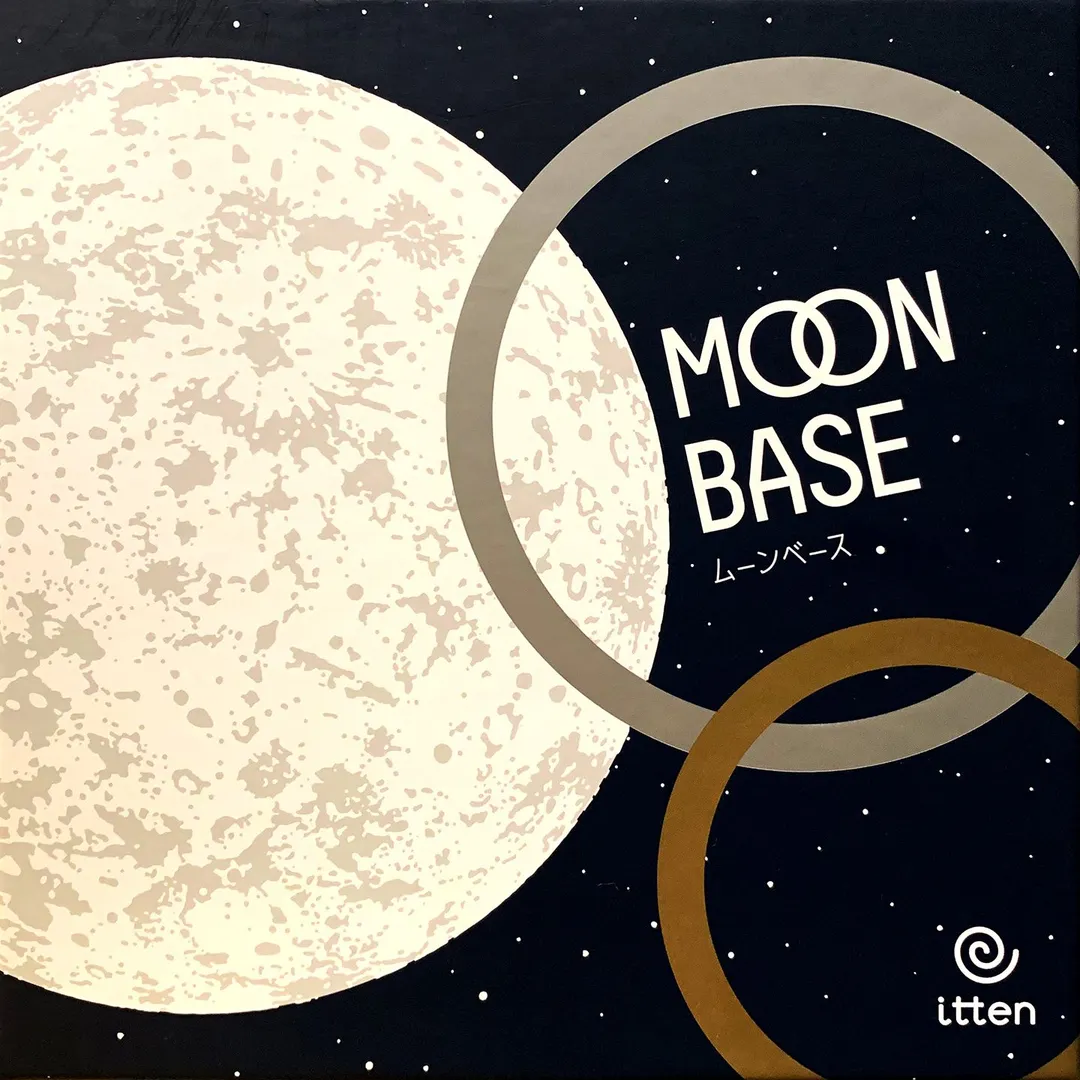
Moon Base to gra planszowa wydana w 2019 roku dla 2 graczy, z rozgrywką trwającą 30–60 minut i dla osób od 9 lat. Projekt gry: Naotaka Shimamoto. Główne mechaniki: Area Majority / Influence.




Po angielsku
Moon Base is a two-player abstract game set on the moon, proceeding over six rounds. The player replenishes the 'Ring Module' at each round, and builds the moon base while placing and stacking on the crater. The player uses their three-color ring well to advance their color. At the end of each round, it will be a point to construct a 'residential zone' and 'resource facility', but while aiming to move the 'mobile research building' effectively, players will also aim for bonus points that can be earned at the end of the sixth round . Finally, the player with many total points wins. Game Abstract Moon Base is a 2 player abstract game about Moon Development. There Are 6 Rounds. Each round, players choose a set number of ring modules to place on the craters, or place on top of each other to develop the Moon Base. Using the three different colors of the rings, players try to build in a way that their colors will gain the upper hand. At the end of each round whoever has the highest total points wins the game with the highest points by gaining bonus points at the end. 5 Features of Moon Base <Feature 1> Unique Game Board The impressive craters on the lunar board are the squares of this game. Craters overlap, so if you put a ring in one crater, the other one overlapping it also gets eliminated, and vice versa if you put a ring on the other. Depending on which crater you are placing a ring on, the situation on the board changes and affects your game plan. First come, first served, so if you really care about placing your ring on a specific crater, make sure you do it earlier than your opponent! <Feature 2> A 3D Stacking Game The ring modules that make up Moon Base can be stacked to 2 or 3 layers, and the position where they are placed impacts the subsequent turns. It’s a strategic game, and there are aspects of analog games mixed into it. Regret joyously. “I should have put this ring a little more inside!” <Feature 3> Random Setup Although it is an abstract game, the ring modules are prepared randomly. But once the game starts, you must rely solely on your choices and decisions. All ring modules are disclosed, so make your best judgment on which ring to choose. Have future rounds in mind, read your opponent’s prospective moves in the next round, and change randomness into certainty. <Feature 4> A game that gets more exciting towards the end Players alternate with each player having 4 turns across 6 rounds = 24 hands (placing 1 ring each turn). Bonus points can be earned depending on the situation at the final round, so the battle will get more competitive towards the end. Each player aims to find an unexpected move to turn the game around. <Feature 5> Think about the future on the completed lunar base The game ends when the moon base is complete. The spectacular sight on the board that was created at the end of the competition is a collaborative work you’ve created together with your opponent. After the game, take a moment to look up at the moon in the night sky and think about what we might expect in the future.
Według katalogu Moon Base obsługuje 2 graczy. To liczba graczy podana przez wydawcę, więc gra jest zaprojektowana dokładnie dla takiej liczby uczestników. Warianty dla grup innej wielkości, jeśli w ogóle istnieją, opisano w instrukcji twojego wydania; sprawdź ją uważnie, zanim przygotujesz inną konfigurację stołu.
Podany czas rozgrywki w Moon Base wynosi 30–60 minut. To szacunek wydawcy dla pełnej partii. Rzeczywisty czas zależy od grupy, liczby graczy i znajomości zasad: pierwsze partie zwykle trwają dłużej, a doświadczone grupy kończą szybciej. Przygotowanie gry i tłumaczenie zasad nie są wliczone w ten szacunek.
Katalog podaje dla Moon Base wiek od 9 lat. To zalecenie wydawcy, które uwzględnia wymagania dotyczące czytania, złożoność zasad i drobne elementy, a nie tylko tematykę. Młodsi gracze często mogą dołączyć z pomocą dorosłego; sprawdź zalecenie wiekowe swojego wydania i weź pod uwagę doświadczenie grupy z grami planszowymi.
Moon Base ma ocenę złożoności 2,3 na 5 według graczy BoardGameGeek, co czyni ją grą raczej lekką. Ocena pokazuje, ile znajomości zasad, planowania i podejmowania decyzji wymaga typowa rozgrywka. Cięższe gry wymagają dłuższego pierwszego tłumaczenia, dlatego przed wieczorem z grami warto skorzystać z przewodnika przygotowania.
Moon Base należy do tych kategorii: Abstract Strategy i Space Exploration. Główne mechaniki to Area Majority / Influence. Kategorie opisują temat i świat gry, a mechaniki to, co gracze faktycznie robią w swojej turze. Każda mechanika prowadzi do strony katalogu z podobnymi grami, co pomaga znaleźć coś porównywalnego na kolejny wieczór.
Autorzy wymienieni przy Moon Base to: Naotaka Shimamoto. Te informacje pochodzą z opublikowanych danych gry i wskazują osoby odpowiedzialne za jej projekt, a nie ilustratorów czy wydawców. Strony autorów w MeepleRules zbierają inne tytuły tych samych twórców, co pomaga, gdy gra ci się podoba i szukasz podobnych.
W katalogu Moon Base figuruje jako gra podstawowa. Można w nią grać samodzielnie, korzystając z elementów z pudełka, bez żadnego innego tytułu. Dodatki, jeśli istnieją, dokładają nową zawartość lub zasady i są wymienione w katalogu osobno, z odnośnikiem do tej gry podstawowej.