

- Pozycja w BGG
- BGG #20 440
- Ocena BGG
- 6,0
Rattenkrieg: Assault on the Tracktor Factory
- 1 gracz
- 20 min
- Złożoność 1,3/5
- 2010

2020
Pomoc w zasadach gry Operation Ichi-Go: Japan's Massive 1944 Offensive Across China
Zrozumiałe wyjaśnienia tur, efektów kart i spornych sytuacji z odnośnikami do oficjalnych źródeł i zapisaną historią pytań.
Co chcesz wiedzieć?
Odpowiedzi pochodzą z oficjalnej instrukcji, ze stroną do sprawdzenia.
Operation Ichi-Go: Japan's Massive 1944 Offensive Across China to gra planszowa wydana w 2020 roku dla 1–2 graczy, z rozgrywką trwającą 240 minut i dla osób od 14 lat. Projekt gry: Steven Cunliffe i Ty Bomba. Główne mechaniki: Dice Rolling i Hexagon Grid.
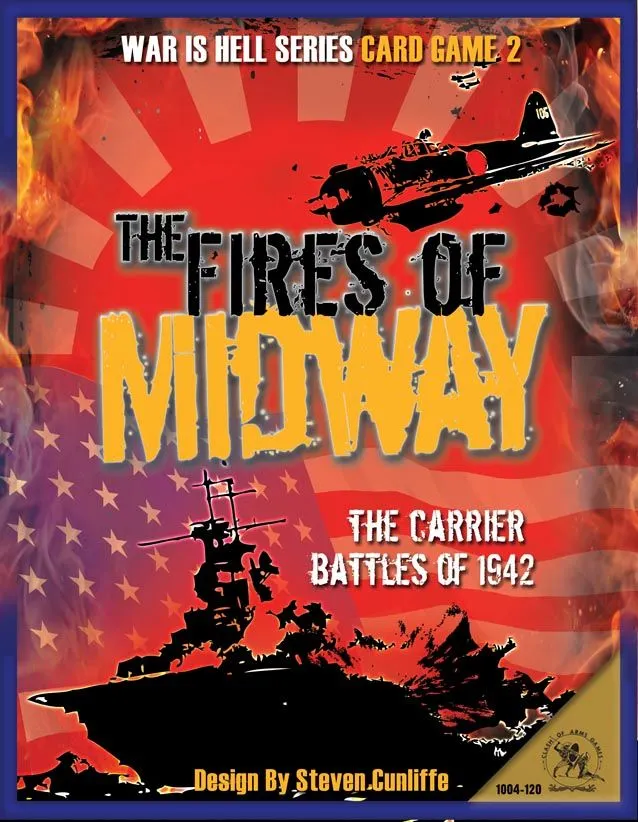
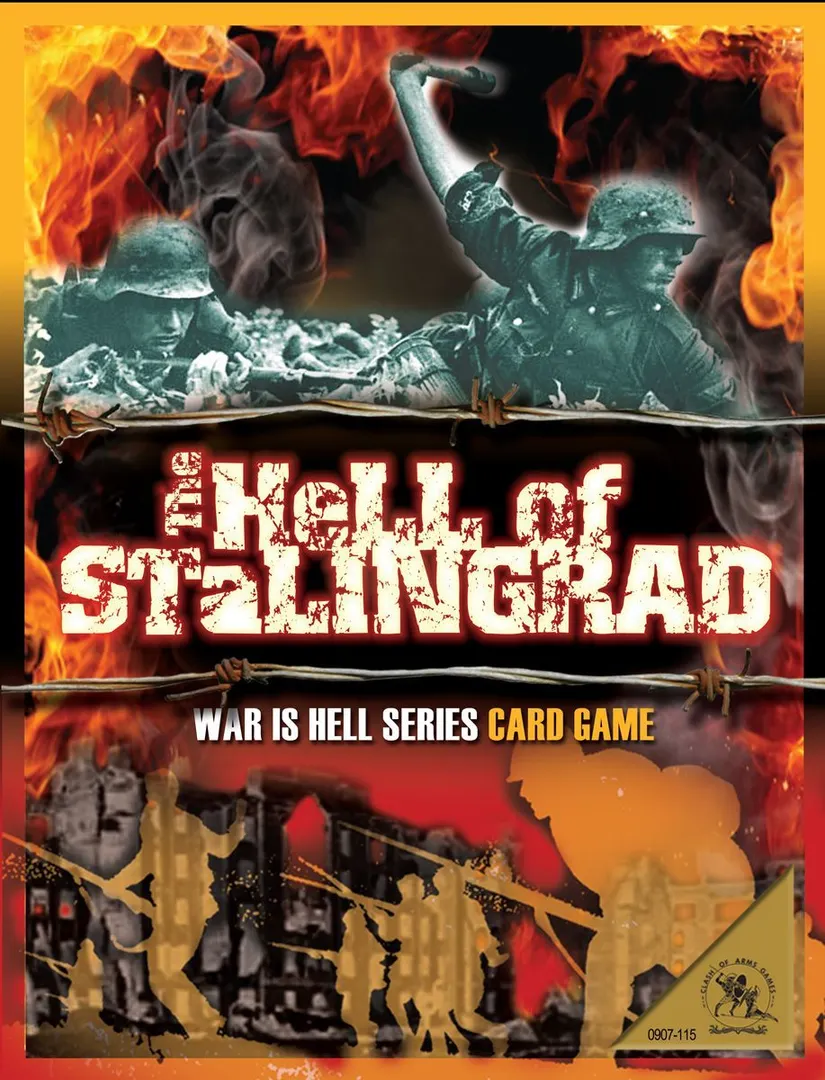


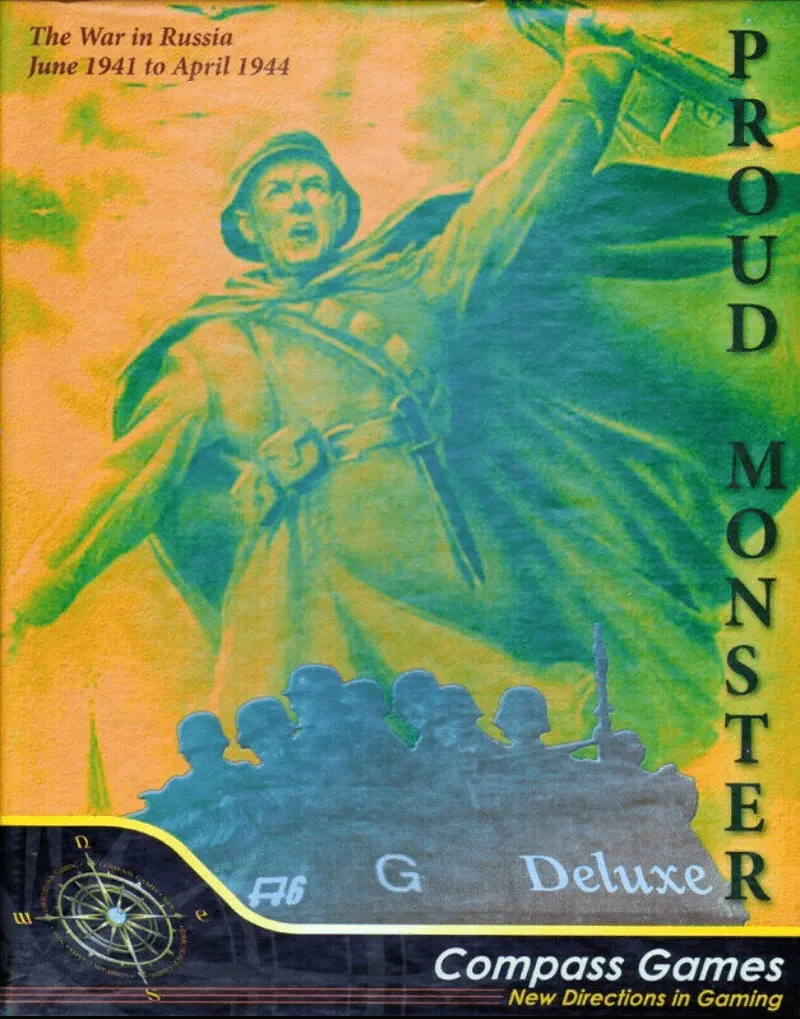
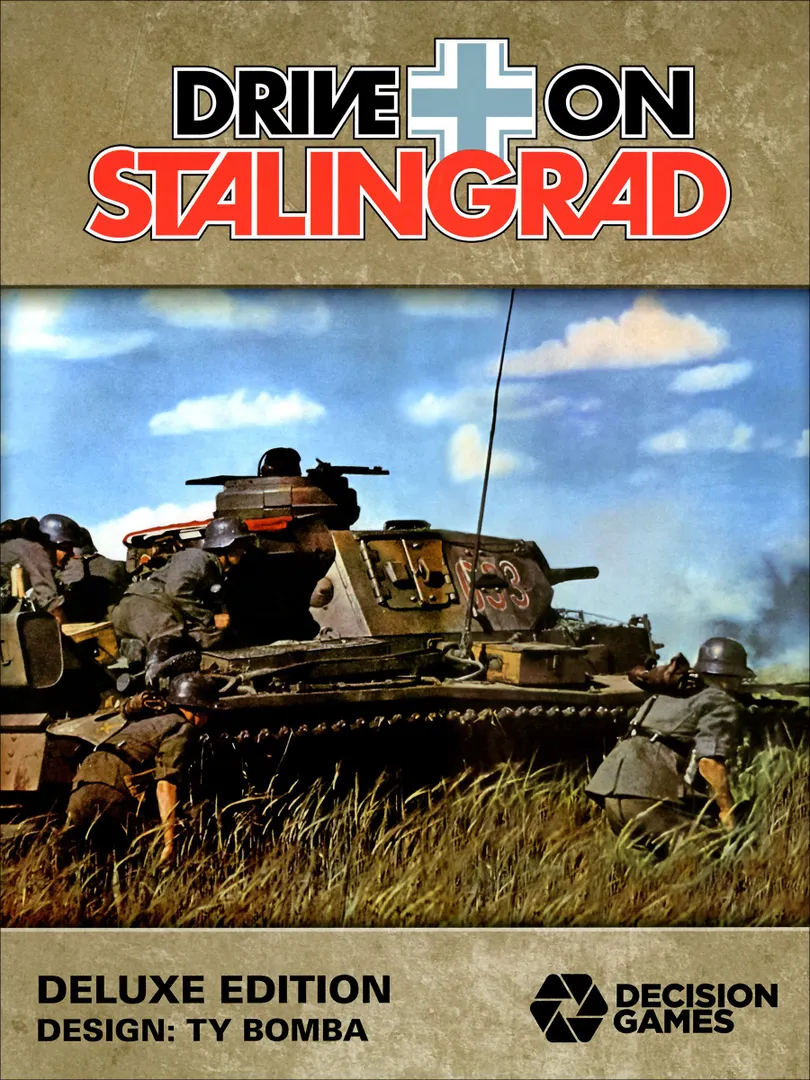
Po angielsku
In mid-1944, despite their rapidly deteriorating position, the Japanese launched a massive offensive in China. They had three objectives: Open a land and rail route across China to their southern conquests in Indochina and the Dutch East Indies (and bypass the US submarine blockade along the Chinese seacoast), and; Eliminate all the US bomber bases in China from which B-29s were targeting the home islands, and; At a minimum, severely degrade Nationalist Chinese capabilities and best case, maybe even knock the Nationalists out of the war. Operation Ichi-Go (“Number One”) was the largest ground offensive in Japanese history, with 500,000 troops, 800 tanks and massive logistics and artillery support. They used their tanks in armored divisions – the only time in the war they deployed such concentrations. Ironically, Japanese armies reached the goals that they set, but US airpower prevented them from using their land route to any great extent, and US victories in the Pacific gave the US plenty of other airbases to attack the Japanese mainland. However, the offensive made a huge difference to postwar Asia. The Nationalists lost important territory, including scarce industrial capacity and rice-growing areas vital to their economy. They also lost military prestige and an enormous number of troops, perhaps as many as 750,000 casualties, weakening their ability to fight the Communists. And fatally, in order to do the offensive, the Japanese emptied Manchuria, leaving defenses against the Soviets there very weak, and from areas in China where they had been containing Communist guerrillas, creating a vacuum that the Communists quickly filled. This two-player game has one side commanding the Japanese, and the other the Nationalist Chinese. A “what if” option allows for the exploration of the potentials of a massive US invasion on the Chinese coast (Operation "Causeway"), one of the many approaches the US considered before finally deciding to invade the Philippines instead. There is also a set of full solitaire game rules inside (by Steven Cunliffe) where the active player (as Japan) competes against the Nationalist Chinese side run by the game system. The game features nine monthly turns; units of maneuver are IJA (and US) divisions, with individual Chinese units varying in organizational size from divisions up to army groups. Most Chinese units are "untried" and only reveal their true value at the moment of combat. —description from designer Ty Bomba Also includes a complete solo game using the same components designed by Steven Cunliffe, with the player commanding the Japanese attack against an automata Chinese defender.
Według katalogu Operation Ichi-Go: Japan's Massive 1944 Offensive Across China obsługuje od 1 do 2 graczy. Ten zakres odpowiada liczbie graczy podanej przez wydawcę, więc grę można przygotować dla dowolnej grupy w jego granicach. Przygotowanie, niektóre zasady i punktacja mogą jednak różnić się w zależności od liczby graczy; dokładną konfigurację sprawdź w instrukcji swojego wydania.
Podany czas rozgrywki w Operation Ichi-Go: Japan's Massive 1944 Offensive Across China wynosi 240 minut. To szacunek wydawcy dla pełnej partii. Rzeczywisty czas zależy od grupy, liczby graczy i znajomości zasad: pierwsze partie zwykle trwają dłużej, a doświadczone grupy kończą szybciej. Przygotowanie gry i tłumaczenie zasad nie są wliczone w ten szacunek.
Katalog podaje dla Operation Ichi-Go: Japan's Massive 1944 Offensive Across China wiek od 14 lat. To zalecenie wydawcy, które uwzględnia wymagania dotyczące czytania, złożoność zasad i drobne elementy, a nie tylko tematykę. Młodsi gracze często mogą dołączyć z pomocą dorosłego; sprawdź zalecenie wiekowe swojego wydania i weź pod uwagę doświadczenie grupy z grami planszowymi.
Operation Ichi-Go: Japan's Massive 1944 Offensive Across China ma ocenę złożoności 3,3 na 5 według graczy BoardGameGeek, co czyni ją grą średnio złożoną. Ocena pokazuje, ile znajomości zasad, planowania i podejmowania decyzji wymaga typowa rozgrywka. Cięższe gry wymagają dłuższego pierwszego tłumaczenia, dlatego przed wieczorem z grami warto skorzystać z przewodnika przygotowania.
Operation Ichi-Go: Japan's Massive 1944 Offensive Across China należy do tych kategorii: Wargame i World War II. Główne mechaniki to Dice Rolling i Hexagon Grid. Kategorie opisują temat i świat gry, a mechaniki to, co gracze faktycznie robią w swojej turze. Każda mechanika prowadzi do strony katalogu z podobnymi grami, co pomaga znaleźć coś porównywalnego na kolejny wieczór.
Autorzy wymienieni przy Operation Ichi-Go: Japan's Massive 1944 Offensive Across China to: Steven Cunliffe i Ty Bomba. Te informacje pochodzą z opublikowanych danych gry i wskazują osoby odpowiedzialne za jej projekt, a nie ilustratorów czy wydawców. Strony autorów w MeepleRules zbierają inne tytuły tych samych twórców, co pomaga, gdy gra ci się podoba i szukasz podobnych.
W katalogu Operation Ichi-Go: Japan's Massive 1944 Offensive Across China figuruje jako gra podstawowa. Można w nią grać samodzielnie, korzystając z elementów z pudełka, bez żadnego innego tytułu. Dodatki, jeśli istnieją, dokładają nową zawartość lub zasady i są wymienione w katalogu osobno, z odnośnikiem do tej gry podstawowej.