
- Pozycja w BGG
- BGG #9069
- Ocena BGG
- 7,6
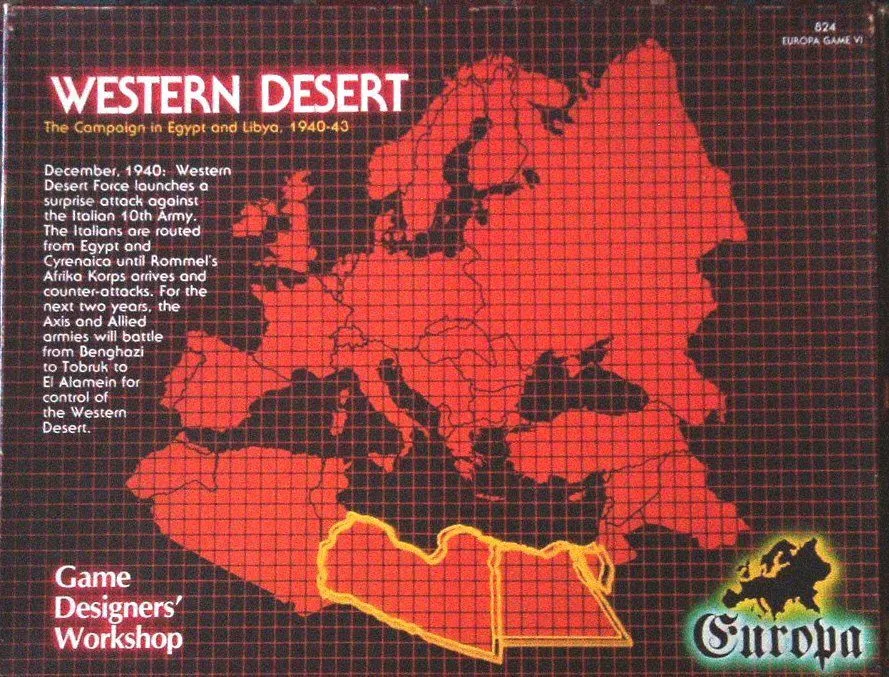
Western Desert
- 2 graczy
- 180–360 min
- Złożoność 3,7/5
- 1982
1986
Pomoc w zasadach gry Persian Gulf: Battle for the Middle East
Zrozumiałe wyjaśnienia tur, efektów kart i spornych sytuacji z odnośnikami do oficjalnych źródeł i zapisaną historią pytań.
Dla 2 graczy
Co chcesz wiedzieć?
Odpowiedzi pochodzą z oficjalnej instrukcji, ze stroną do sprawdzenia.
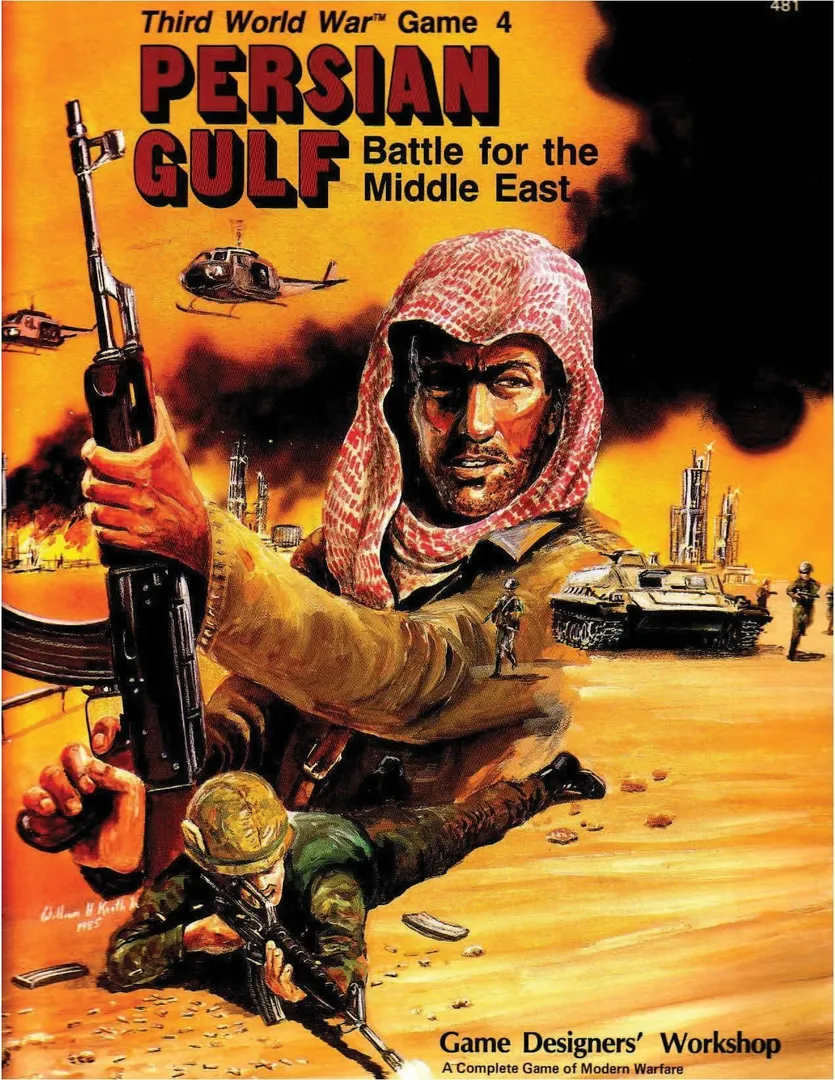
Persian Gulf: Battle for the Middle East to gra planszowa wydana w 1986 roku dla 2 graczy, z rozgrywką trwającą 180–300 minut i dla osób od 12 lat. Projekt gry: Frank Chadwick i John Astell. Główne mechaniki: Dice Rolling, Grid Movement i Hexagon Grid.
Po angielsku
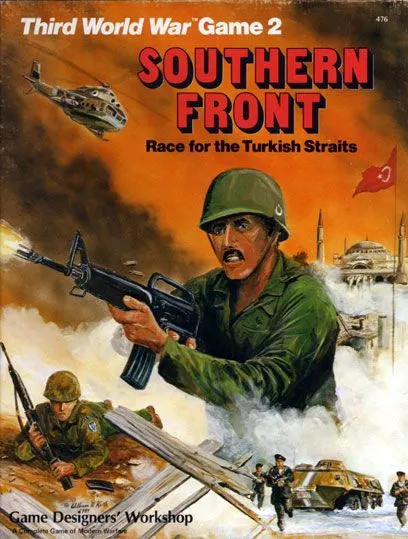
Persian Gulf: Battle for the Middle East: Persian Gulf uses the same rules as the other games in the Third World War series to show a different aspect of modern warfare operations in the deserts and mountains of the middle east. Persian Gulf includes a special "game within a game", covering the diplomatic, political, and military maneuvers by the Soviet Union and the United States in the Middle East before - and leading to - the general outbreak of the Third World War. Both sides try to gain control of the various Iranian factions and influence the other Middle Eastern nations. As the superpowers' confrontation continues, fighting breaks out between committed factions. Either side can decide to send troops to support their factions; the U.S. may send the Rapid Deployment Force while the Soviet Union may use its forces along its southern borders and in Afghanistan. Each move, however, escalates the conflict until the superpowers are directly fighting one another in the Middle East and their alliances in Europe are mobilizing for war. The four game maps cover the Persian Gulf region in detail. Centered on Iran and Iraq, the maps include bordering areas of Turkey, Saudi Arabia, the USSR, and Afghanistan. Mountains and sand dominate this area of the world, and wilderness rules show the effects of the scarcity of roads on military operations. Vying for control of the nations on these maps are the regional forces and those of the superpowers. These forces range greatly in capabilities: from the poorly-equipped and trained Iranian Revolutionary Guards and Soviet-controlled Afghan Army to the capable Turks to the elite Israeli and Jordanian intervention contingents. The Soviets have large forces available in their southern border regions and in Afghanistan. The small but strong U.S. RDF is on hand, and they can call on B-52 strikes for support. The rules cover the special political and military situations of the Middle East and the various Arab and Arab-Israeli rivalries are shown. Victory conditions take account of the oil resources of the Gulf. Additional rules allow Persian Gulf to be combined and played with the other three games in the Third World War series.
Według katalogu Persian Gulf: Battle for the Middle East obsługuje 2 graczy. To liczba graczy podana przez wydawcę, więc gra jest zaprojektowana dokładnie dla takiej liczby uczestników. Warianty dla grup innej wielkości, jeśli w ogóle istnieją, opisano w instrukcji twojego wydania; sprawdź ją uważnie, zanim przygotujesz inną konfigurację stołu.
Podany czas rozgrywki w Persian Gulf: Battle for the Middle East wynosi 180–300 minut. To szacunek wydawcy dla pełnej partii. Rzeczywisty czas zależy od grupy, liczby graczy i znajomości zasad: pierwsze partie zwykle trwają dłużej, a doświadczone grupy kończą szybciej. Przygotowanie gry i tłumaczenie zasad nie są wliczone w ten szacunek.
Katalog podaje dla Persian Gulf: Battle for the Middle East wiek od 12 lat. To zalecenie wydawcy, które uwzględnia wymagania dotyczące czytania, złożoność zasad i drobne elementy, a nie tylko tematykę. Młodsi gracze często mogą dołączyć z pomocą dorosłego; sprawdź zalecenie wiekowe swojego wydania i weź pod uwagę doświadczenie grupy z grami planszowymi.
Persian Gulf: Battle for the Middle East ma ocenę złożoności 3,5 na 5 według graczy BoardGameGeek, co czyni ją grą średnio złożoną. Ocena pokazuje, ile znajomości zasad, planowania i podejmowania decyzji wymaga typowa rozgrywka. Cięższe gry wymagają dłuższego pierwszego tłumaczenia, dlatego przed wieczorem z grami warto skorzystać z przewodnika przygotowania.
Persian Gulf: Battle for the Middle East należy do tych kategorii: Wargame i Modern Warfare. Główne mechaniki to Dice Rolling, Grid Movement i Hexagon Grid. Kategorie opisują temat i świat gry, a mechaniki to, co gracze faktycznie robią w swojej turze. Każda mechanika prowadzi do strony katalogu z podobnymi grami, co pomaga znaleźć coś porównywalnego na kolejny wieczór.
Autorzy wymienieni przy Persian Gulf: Battle for the Middle East to: Frank Chadwick i John Astell. Te informacje pochodzą z opublikowanych danych gry i wskazują osoby odpowiedzialne za jej projekt, a nie ilustratorów czy wydawców. Strony autorów w MeepleRules zbierają inne tytuły tych samych twórców, co pomaga, gdy gra ci się podoba i szukasz podobnych.
W katalogu Persian Gulf: Battle for the Middle East figuruje jako gra podstawowa. Można w nią grać samodzielnie, korzystając z elementów z pudełka, bez żadnego innego tytułu. Dodatki, jeśli istnieją, dokładają nową zawartość lub zasady i są wymienione w katalogu osobno, z odnośnikiem do tej gry podstawowej.