
- Pozycja w BGG
- BGG #7673
- Ocena BGG
- 6,2
Caveman Curling
- 2–6 graczy
- 20 min
- Złożoność 1,2/5
- 2010
2011
Pomoc w zasadach gry Pitch'n Dunk
Zrozumiałe wyjaśnienia tur, efektów kart i spornych sytuacji z odnośnikami do oficjalnych źródeł i zapisaną historią pytań.
Dla 2 graczy
Co chcesz wiedzieć?
Odpowiedzi pochodzą z oficjalnej instrukcji, ze stroną do sprawdzenia.
Pitch'n Dunk to gra planszowa wydana w 2011 roku dla 2 graczy, z rozgrywką trwającą 20 minut i dla osób od 8 lat. Projekt gry: Daniel Quodbach i David Kalmes.


Po angielsku
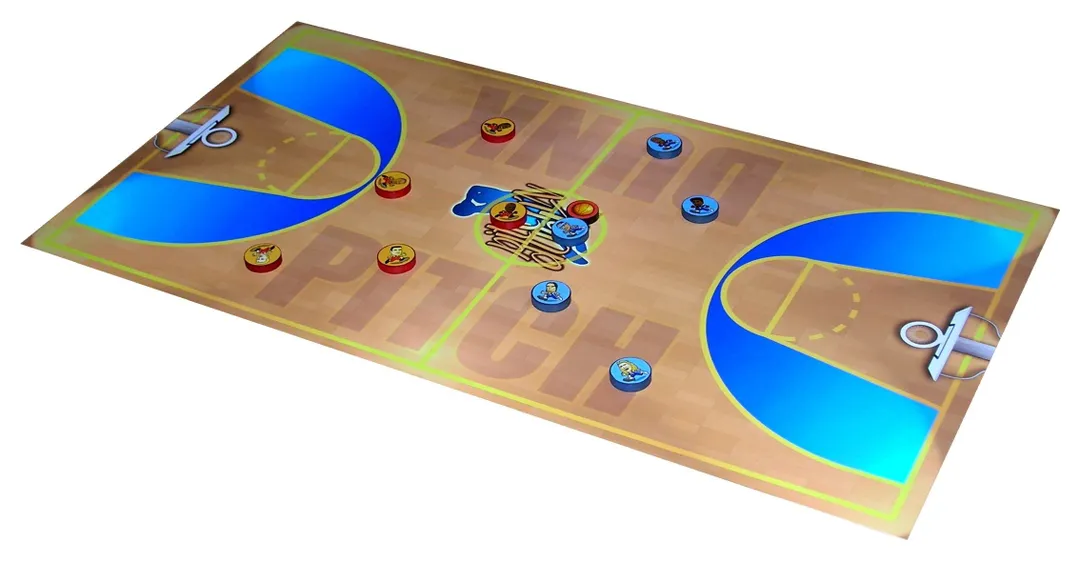
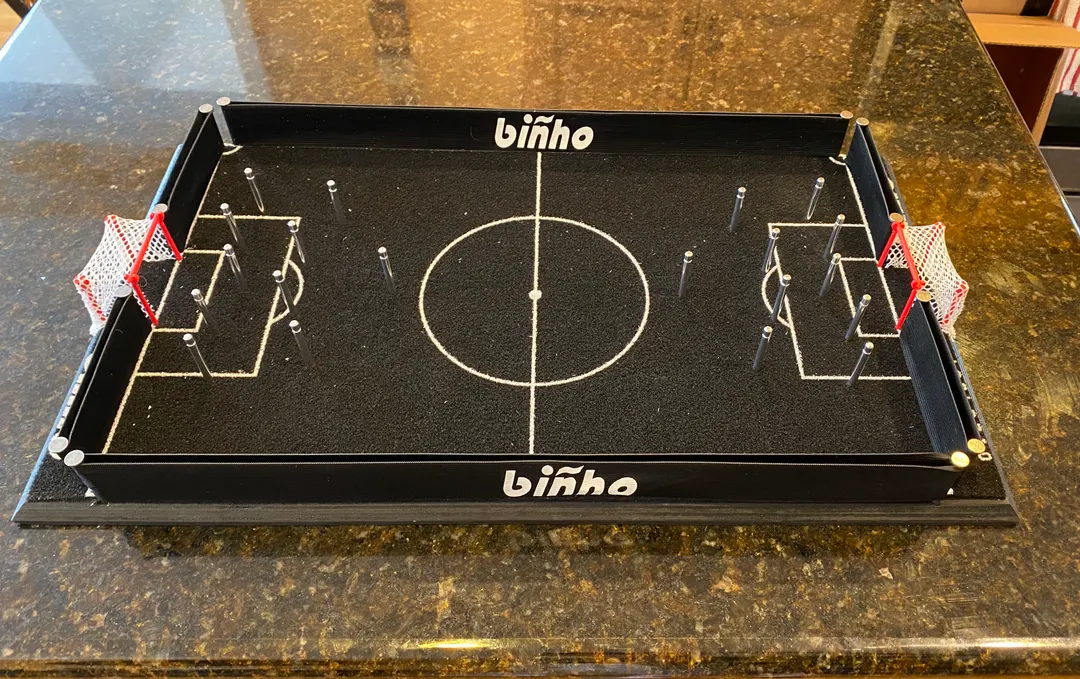
Pitch'n Dunk uses the mechanisms of disc-flicking to simulate a basketball game with the game board representing a basketball field with two 2-point zones and two 3-point zones. Each coach (player of the game) directs wooden tokens; each wooden token represents a player (with five on each team) or the ball. Coaches alternatively give their players a flick, and the goal is to score 11 points with a 2-point differential. There are different rules to simulate a basketball game: Shot clock: In some situations, the defensive coach can trigger the shot clock; attacking players must score in a limited number of actions. Dribble:: The player who holds the ball can advance by giving one flick before he passes/shoots. 3 offensive fouls: Traveling: Dribble for too long of a distance. Charging: The player who holds the ball touches a defensive player. Backcourt violation: The ball carrying player is back in his team zone after going in the opponent's zone. 3 defensive fouls: Blocking: A defensive player touches an offensive player. Blocking the player who holds the ball: A defensive player touches the player who holds the ball in the defensive zone. Illegal defense: There's no attacking player in the defensive zone and at least one defensive player in the 2-point defensive zone.
Według katalogu Pitch'n Dunk obsługuje 2 graczy. To liczba graczy podana przez wydawcę, więc gra jest zaprojektowana dokładnie dla takiej liczby uczestników. Warianty dla grup innej wielkości, jeśli w ogóle istnieją, opisano w instrukcji twojego wydania; sprawdź ją uważnie, zanim przygotujesz inną konfigurację stołu.
Podany czas rozgrywki w Pitch'n Dunk wynosi 20 minut. To szacunek wydawcy dla pełnej partii. Rzeczywisty czas zależy od grupy, liczby graczy i znajomości zasad: pierwsze partie zwykle trwają dłużej, a doświadczone grupy kończą szybciej. Przygotowanie gry i tłumaczenie zasad nie są wliczone w ten szacunek.
Katalog podaje dla Pitch'n Dunk wiek od 8 lat. To zalecenie wydawcy, które uwzględnia wymagania dotyczące czytania, złożoność zasad i drobne elementy, a nie tylko tematykę. Młodsi gracze często mogą dołączyć z pomocą dorosłego; sprawdź zalecenie wiekowe swojego wydania i weź pod uwagę doświadczenie grupy z grami planszowymi.
Pitch'n Dunk ma ocenę złożoności 1,8 na 5 według graczy BoardGameGeek, co czyni ją grą lekką. Ocena pokazuje, ile znajomości zasad, planowania i podejmowania decyzji wymaga typowa rozgrywka. Cięższe gry wymagają dłuższego pierwszego tłumaczenia, dlatego przed wieczorem z grami warto skorzystać z przewodnika przygotowania.
Pitch'n Dunk należy do tych kategorii: Action / Dexterity i Sports. Kategorie opisują temat, świat i styl gry, a nie jej zasady. Przefiltruj katalog według tej samej kategorii, aby znaleźć podobne gry, jeśli spodobała ci się gra Pitch'n Dunk i szukasz czegoś porównywalnego na kolejny wieczór z grami.
Autorzy wymienieni przy Pitch'n Dunk to: Daniel Quodbach i David Kalmes. Te informacje pochodzą z opublikowanych danych gry i wskazują osoby odpowiedzialne za jej projekt, a nie ilustratorów czy wydawców. Strony autorów w MeepleRules zbierają inne tytuły tych samych twórców, co pomaga, gdy gra ci się podoba i szukasz podobnych.
W katalogu Pitch'n Dunk figuruje jako gra podstawowa. Można w nią grać samodzielnie, korzystając z elementów z pudełka, bez żadnego innego tytułu. Dodatki, jeśli istnieją, dokładają nową zawartość lub zasady i są wymienione w katalogu osobno, z odnośnikiem do tej gry podstawowej.