

- Pozycja w BGG
- BGG #22 255
- Ocena BGG
- 6,5
Apocalypse in the East: The Rise of the First Caliphate 646-656 A.D.
- 2 graczy
- 180–300 min
- Złożoność 3,0/5
- 2018
2012
Pomoc w zasadach gry Poltava's Dread Day: The Great Northern War 1700-1722 AD
Zrozumiałe wyjaśnienia tur, efektów kart i spornych sytuacji z odnośnikami do oficjalnych źródeł i zapisaną historią pytań.
Dla 2 graczy
Co chcesz wiedzieć?
Odpowiedzi pochodzą z oficjalnej instrukcji, ze stroną do sprawdzenia.
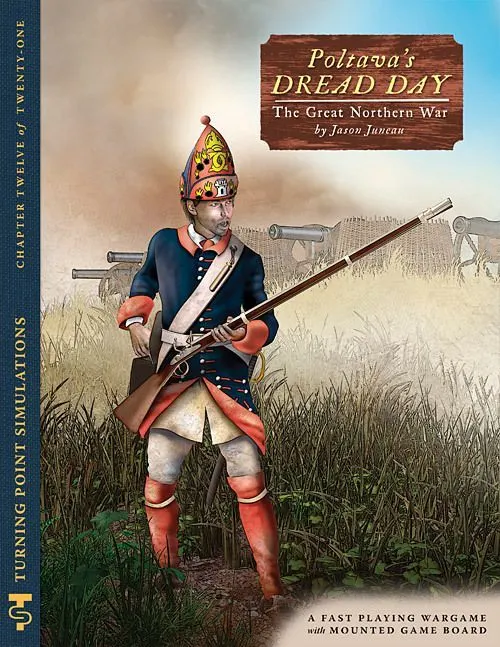
Poltava's Dread Day: The Great Northern War 1700-1722 AD to gra planszowa wydana w 2012 roku dla 2 graczy i z rozgrywką trwającą 120 minut. Projekt gry: Jason Juneau. Główne mechaniki: Hexagon Grid.



Po angielsku
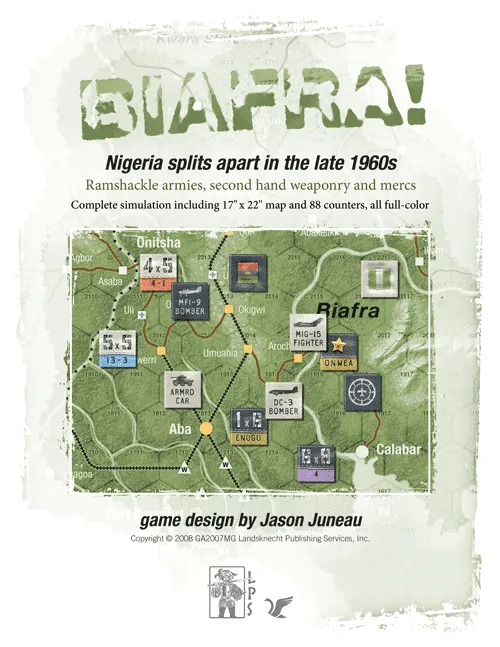
From the publisher's website: Poltava’s Dread Day covers a conflict that lasted nearly a quarter of a century (1700-1722), with two turns plus an administrative phase each year. The Summer turn is when everyone gets to work. The Winter turn is where great commanders take huge risks. All movement is a variable, impacted by leader initiative and a die roll. Sometimes, the troops will move far and fast. Sometimes they won't. The game provides a range of different foot and horse unit types which impact how well they fight, but is unusual in one area—each unit is a single unit (strength of "1"), with no numbers to clutter up the counter. With few exceptions, once lost, units are gone forever...making each battle and each risk of attrition something to consider. Poltava’s Dread Day provides a keen look into a decisive historical situation that few people know very much about. This period saw not only the founding of St. Petersburg but the birth of "modern" Russia. It saw the rise of Prussia, and led to shifts in the balance of power that would have significant effects on the Seven Years War. Part of the TPS, "Decisive Battles" series That means straightforward rules, key insights into the history behind the game, and designs aimed at one-session conclusions and high replay value. Poltava’s Dread Day features randomized elements for everything from reinforcements to diplomacy. No two games will play the same.
Według katalogu Poltava's Dread Day: The Great Northern War 1700-1722 AD obsługuje 2 graczy. To liczba graczy podana przez wydawcę, więc gra jest zaprojektowana dokładnie dla takiej liczby uczestników. Warianty dla grup innej wielkości, jeśli w ogóle istnieją, opisano w instrukcji twojego wydania; sprawdź ją uważnie, zanim przygotujesz inną konfigurację stołu.
Podany czas rozgrywki w Poltava's Dread Day: The Great Northern War 1700-1722 AD wynosi 120 minut. To szacunek wydawcy dla pełnej partii. Rzeczywisty czas zależy od grupy, liczby graczy i znajomości zasad: pierwsze partie zwykle trwają dłużej, a doświadczone grupy kończą szybciej. Przygotowanie gry i tłumaczenie zasad nie są wliczone w ten szacunek.
Poltava's Dread Day: The Great Northern War 1700-1722 AD ma ocenę złożoności 2,2 na 5 według graczy BoardGameGeek, co czyni ją grą raczej lekką. Ocena pokazuje, ile znajomości zasad, planowania i podejmowania decyzji wymaga typowa rozgrywka. Cięższe gry wymagają dłuższego pierwszego tłumaczenia, dlatego przed wieczorem z grami warto skorzystać z przewodnika przygotowania.
Poltava's Dread Day: The Great Northern War 1700-1722 AD należy do tych kategorii: Wargame i Age of Reason. Główne mechaniki to Hexagon Grid. Kategorie opisują temat i świat gry, a mechaniki to, co gracze faktycznie robią w swojej turze. Każda mechanika prowadzi do strony katalogu z podobnymi grami, co pomaga znaleźć coś porównywalnego na kolejny wieczór.
Autorzy wymienieni przy Poltava's Dread Day: The Great Northern War 1700-1722 AD to: Jason Juneau. Te informacje pochodzą z opublikowanych danych gry i wskazują osoby odpowiedzialne za jej projekt, a nie ilustratorów czy wydawców. Strony autorów w MeepleRules zbierają inne tytuły tych samych twórców, co pomaga, gdy gra ci się podoba i szukasz podobnych.
W katalogu Poltava's Dread Day: The Great Northern War 1700-1722 AD figuruje jako gra podstawowa. Można w nią grać samodzielnie, korzystając z elementów z pudełka, bez żadnego innego tytułu. Dodatki, jeśli istnieją, dokładają nową zawartość lub zasady i są wymienione w katalogu osobno, z odnośnikiem do tej gry podstawowej.