
- Pozycja w BGG
- BGG #4406
- Ocena BGG
- 7,0
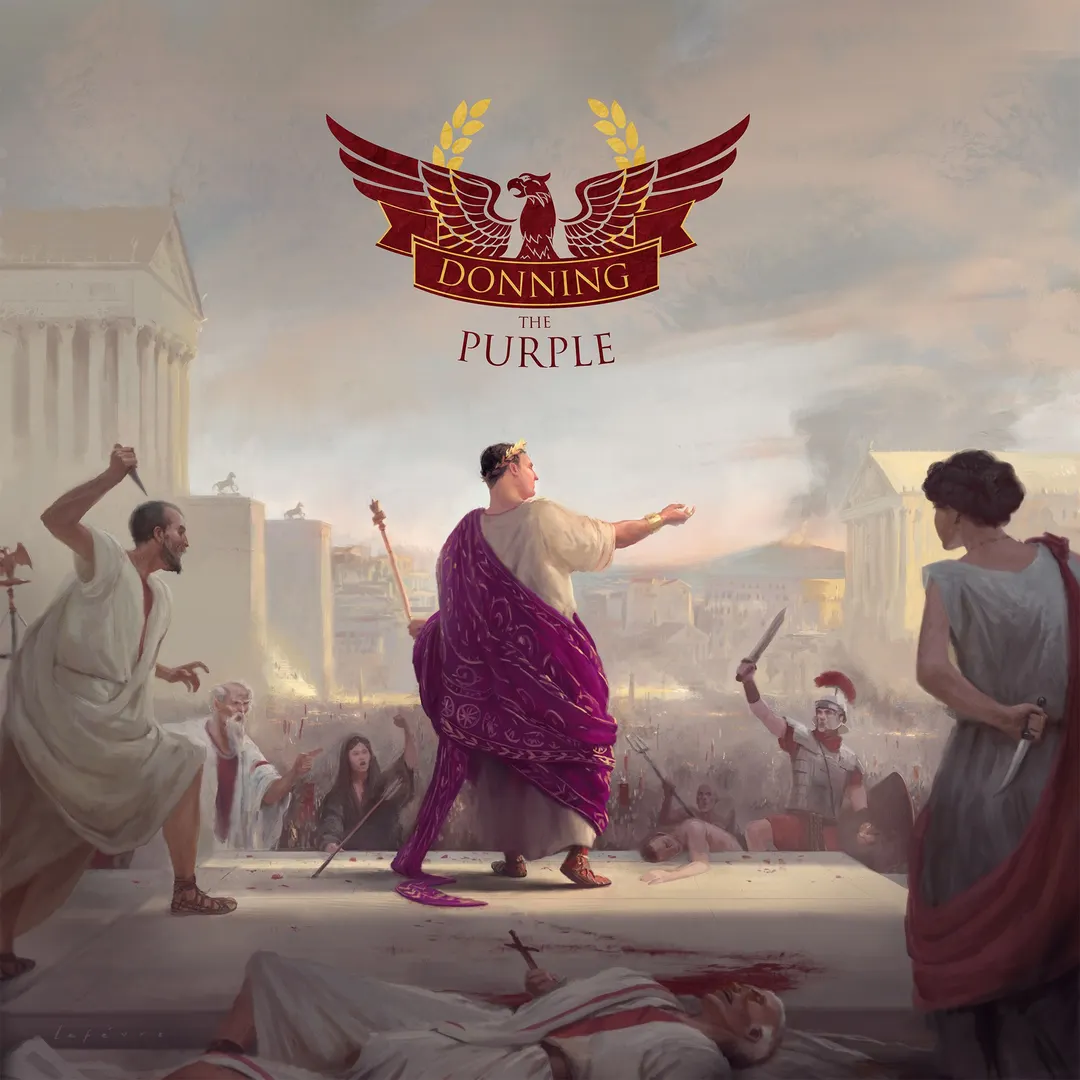
Donning the Purple
- 1–3 graczy
- 70–90 min
- Złożoność 3,0/5
- 2018
2025
Pomoc w zasadach gry Pompeii
Zrozumiałe wyjaśnienia tur, efektów kart i spornych sytuacji z odnośnikami do oficjalnych źródeł i zapisaną historią pytań.
Co chcesz wiedzieć?
Odpowiedzi pochodzą z oficjalnej instrukcji, ze stroną do sprawdzenia.
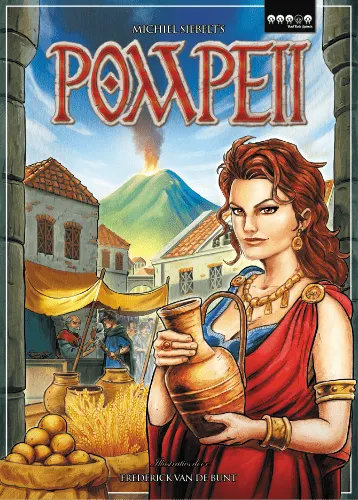
Pompeii to gra planszowa wydana w 2025 roku dla 1–4 graczy, z rozgrywką trwającą 60–120 minut i dla osób od 12 lat. Projekt gry: Michiel Siebelt. Główne mechaniki: Deck, Bag, and Pool Building, Worker Placement i Semi-Cooperative Game.



Po angielsku
Shape a City. Share a Fate Step into ancient Pompeii — a thriving Roman city known for its wealthy inhabitants and luxurious villas. In Pompeii, players lead their citizens to grow the city through smart planning, resourceful trading, and meaningful choices. Oh mighty player, set your subjects to work and and carve your legacy in the history of Pompeii. However, in Pompeii it was ambition, greed and envy that angered the gods ... and buried the city beneath a smoldering layer of volcanic ash! Together players must share sufficient offerings to appease Vesuvius. If you fixate on your own wealth, you may also find yourselves buried under layers of suffocating and toxic ash. Pompeii is a game of thoughtful strategy and shared responsibility. Can you guide the city to prosperity — and keep it standing? Or would you risk pursuing power, even if it brings downfall upon all? Gameplay Pompeii is a develoment game with a twist. A light-to-medium strategy game: easy to learn, full of meaningful choices. Each round, your workers can perform 1 of the following standard worker actions: 1. Gather raw materials 2. Produce refined goods 3. Construct buildings 4. Trade goods, or 5. Train specialists Next to standard actions, you can also choose to take a card action: activated specialists and city locations with immediate actions or recurring actions. The twist is in the two phases in which Pompeii is played: The Calm and The Awakening: During The Calm, players built the backbone of Pompeii while working on their strategy (gathering supplies, building a nice card engine, et cetera). However, during The Awakening, the Vesuvius is a force to be reckoned with: players have to negotiate shared offerings to the Vesuvius to prevent an eruption and possible loss of hard-earned goods. The Looming Threat of Vesuvius Vesuvius watches from a distance, and its patience is limited. During The Calm, Vesuvius is asleep. But when the first prestigious building is constructed, players' ambitions become clear and Vesuvius awakens. As of this moment, players must pay shared offerings to prevent an eruption of Vesuvius and thereby loss of valuable goods. You’ll need to weigh your ambitions carefully — focus too much on personal gain, and you risk the wrath of the gods. Forget the volcano, and you may all fall together. Pompeii challenges you not only to claim the city for yourself, but also to survive as a group! A Balance Between Ambition and Harmony While you grow your part of the city, others are doing the same. Each player has their own vision for Pompeii’s future, and everyone’s progress is interwoven. The most successful leader will station their army at the Castrum, the military camp outside the city gates, taking control of the city’s fate. But remember: there’s more at stake than victory alone. Together, you must also keep the gods appeased. Greed and neglect can stir Vesuvius. Ignore this smoldering primal force, and your fate may take a very different turn. What makes Pompeii so special? Unique gameplay – You’ll face the ultimate dilemma: claim victory for yourself, but survive as a group. Will your ambitions lead to your personal triumph, or the city’s ruin? In Pompeii, your fate is tied to your rivals – and the looming threat of the volcano. Relive Pompeii’s glory in a boardgame – See Pompeii come to life as you play. You build the city with every turn – from bustling workshops to grand public buildings. While you shape Pompeii, the evocative artwork breathes life into the ruins, capturing the city in its prime. Beautiful hand-drawn illustrations using pencil and watercolor paint by Frederick van de Bunt – Immerse yourself in a visually stunning world, where every card is a miniature work of art. Respect for history – Artwork and theme pay respect to the history and site of Pompeii. Historically accurate architecture and ethnicity of the citizens; every detail is thoughtfully crafted to honor Pompeii’s legacy. Experience the city’s final days with a touch of reverence and awe. Gateway game – The game gradually increases in complexity, allowing you to ease into it. Whether you’re a casual player or a seasoned gamer, Pompeii welcomes all. —description from the publisher
Według katalogu Pompeii obsługuje od 1 do 4 graczy. Ten zakres odpowiada liczbie graczy podanej przez wydawcę, więc grę można przygotować dla dowolnej grupy w jego granicach. Przygotowanie, niektóre zasady i punktacja mogą jednak różnić się w zależności od liczby graczy; dokładną konfigurację sprawdź w instrukcji swojego wydania.
Podany czas rozgrywki w Pompeii wynosi 60–120 minut. To szacunek wydawcy dla pełnej partii. Rzeczywisty czas zależy od grupy, liczby graczy i znajomości zasad: pierwsze partie zwykle trwają dłużej, a doświadczone grupy kończą szybciej. Przygotowanie gry i tłumaczenie zasad nie są wliczone w ten szacunek.
Katalog podaje dla Pompeii wiek od 12 lat. To zalecenie wydawcy, które uwzględnia wymagania dotyczące czytania, złożoność zasad i drobne elementy, a nie tylko tematykę. Młodsi gracze często mogą dołączyć z pomocą dorosłego; sprawdź zalecenie wiekowe swojego wydania i weź pod uwagę doświadczenie grupy z grami planszowymi.
Pompeii ma ocenę złożoności 2,6 na 5 według graczy BoardGameGeek, co czyni ją grą raczej lekką. Ocena pokazuje, ile znajomości zasad, planowania i podejmowania decyzji wymaga typowa rozgrywka. Cięższe gry wymagają dłuższego pierwszego tłumaczenia, dlatego przed wieczorem z grami warto skorzystać z przewodnika przygotowania.
Pompeii należy do tych kategorii: Ancient, City Building i Civilization. Główne mechaniki to Deck, Bag, and Pool Building, Worker Placement i Semi-Cooperative Game. Kategorie opisują temat i świat gry, a mechaniki to, co gracze faktycznie robią w swojej turze. Każda mechanika prowadzi do strony katalogu z podobnymi grami, co pomaga znaleźć coś porównywalnego na kolejny wieczór.
Autorzy wymienieni przy Pompeii to: Michiel Siebelt. Te informacje pochodzą z opublikowanych danych gry i wskazują osoby odpowiedzialne za jej projekt, a nie ilustratorów czy wydawców. Strony autorów w MeepleRules zbierają inne tytuły tych samych twórców, co pomaga, gdy gra ci się podoba i szukasz podobnych.
W katalogu Pompeii figuruje jako gra podstawowa. Można w nią grać samodzielnie, korzystając z elementów z pudełka, bez żadnego innego tytułu. Dodatki, jeśli istnieją, dokładają nową zawartość lub zasady i są wymienione w katalogu osobno, z odnośnikiem do tej gry podstawowej.