
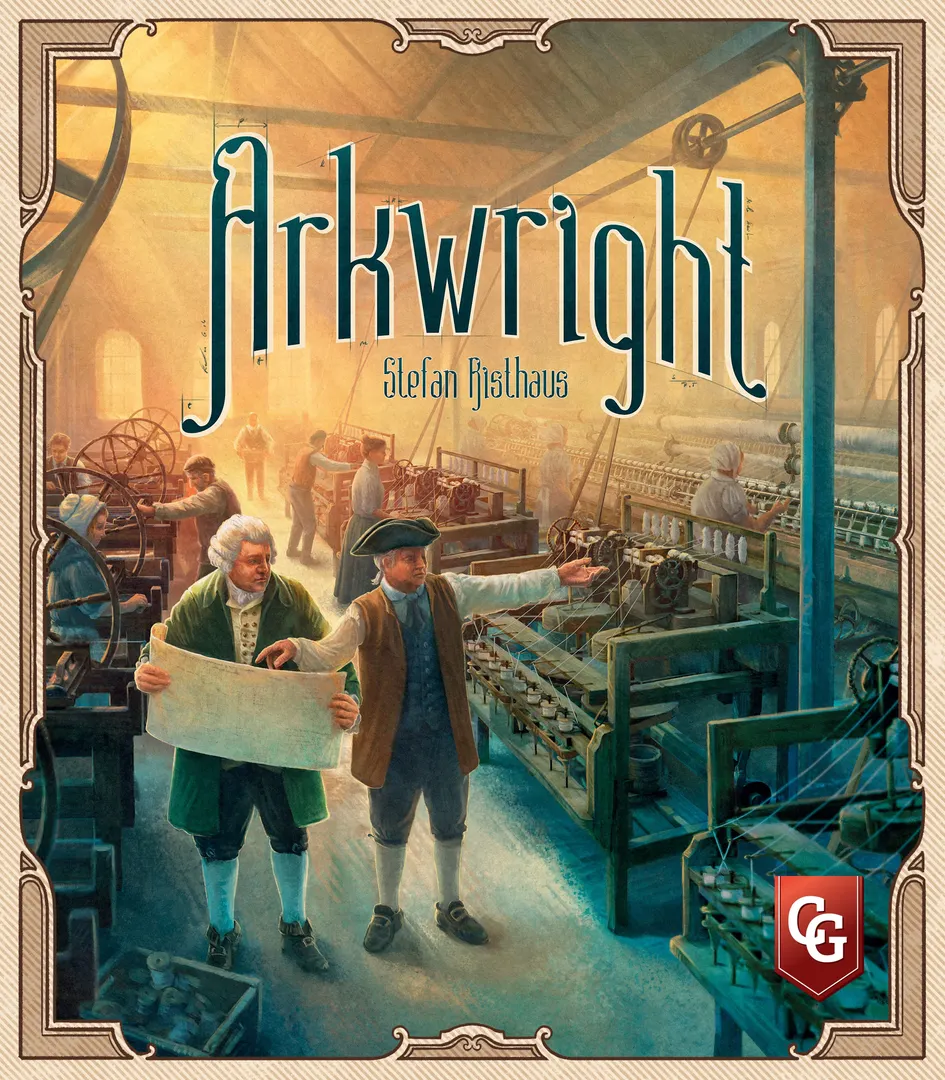
- Pozycja w BGG
- BGG #883
- Ocena BGG
- 7,8
Arkwright
- 1–4 graczy
- 120–240 min
- Złożoność 4,6/5
- 2014
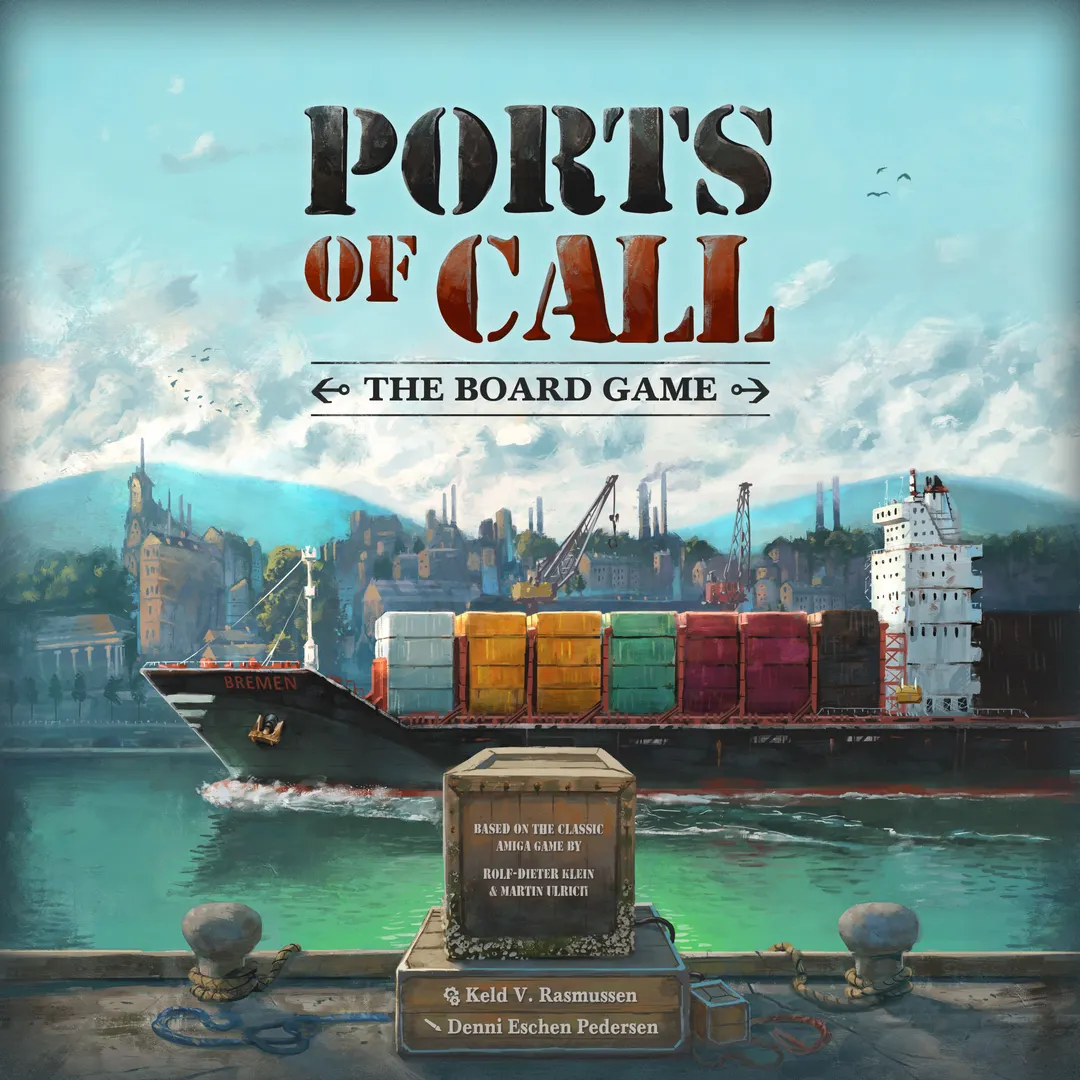
2026
Pomoc w zasadach gry Ports of Call: The Board Game
Zrozumiałe wyjaśnienia tur, efektów kart i spornych sytuacji z odnośnikami do oficjalnych źródeł i zapisaną historią pytań.
Co chcesz wiedzieć?
Odpowiedzi pochodzą z oficjalnej instrukcji, ze stroną do sprawdzenia.
Ports of Call: The Board Game to gra planszowa wydana w 2026 roku dla 2–4 graczy, z rozgrywką trwającą 90–240 minut i dla osób od 15 lat. Projekt gry: Keld V. Rasmussen. Główne mechaniki: Point to Point Movement, End Game Bonuses i Events.









Po angielsku
Ports of Call: The Board Game brings the classic 1987 computer game, created by Rolf-Dieter Klein and Martin Ulrich, to the tabletop. Players compete to build the world's most valuable shipping company by transporting goods across the oceans, fulfilling commercial orders, establishing factories, and expanding their maritime empires. Starting with two ships, a home port, and limited financial resources, players must navigate international trade routes, manage their fleets, and make strategic investments, while dealing with pirates, rats, unpredictable weather, closed ports, and smuggling. The winner is the player who, by the end of the game, has built the most valuable shipping company. A World of Trade and Opportunity The game features 15 port cities connected by shipping routes across the globe. Five commodities – wind turbines, steel, electronics, wine, and oil – form the foundation of international trade. Each port specialises in producing one commodity, creating a worldwide network of trading opportunities. Players purchase containers, transport them between cities, and sell their cargo for profit. One of the main objectives is to fulfil commercial orders. Each Order Card requires two specific commodities to be delivered to a designated port. Players must plan efficient routes, acquire the necessary goods, and coordinate their ships to complete these contracts and increase their company's value. Build Your Fleet and Industrial Network As their businesses grow, players can invest in additional ships and establish factories in port cities around the world. Small ships are inexpensive and efficient, while large ships offer greater cargo capacity at higher purchase and maintenance costs. Expanding your fleet increases your transportation capabilities but also creates additional financial obligations. Factories allow players to produce their own containers and supply goods to the global Container Terminal, a shared marketplace where commodity prices fluctuate as containers are added and purchased. When another player purchases a container you have produced, you receive the payment. Producing goods also advances your position on the Production Track, unlocking valuable bonuses. Players must decide whether to focus on shipping contracts, industrial production, commodity trading, or a combination of these strategies. Strategic Decisions and Economic Challenges Each player manages their company through an individual Office Board and a limited number of Action Points. The number of Action Points depends on the size of the player's fleet, rewarding expansion with greater flexibility. Actions include purchasing ships, constructing factories, acquiring orders, buying containers, and producing goods. Ship movement and selling cargo do not require Action Points. Players must carefully balance investments, transportation efficiency, and available cash. Meanwhile, News Cards introduce unexpected events at the end of each quarter. Pirates, unpredictable weather, closed ports, smuggling, and changing market conditions can disrupt shipping operations and create new challenges or opportunities. Financial management is equally important. At the end of each fiscal year, companies receive income based on their Stock Exchange value but must pay maintenance costs for their ships. Poor financial planning can force players to sell shares or even face bankruptcy. Become the World's Leading Shipping Company The game takes place over four fiscal years, each consisting of four quarters, giving every player 16 turns to develop their business. Throughout the game, players increase their company's value by completing orders, earning Achievement Cards, and making strategic investments. The Stock Exchange tracks each company's value and ultimately determines the winner. At the end of the final year, unfinished orders result in penalties, while achievements provide additional rewards. The player with the highest company value wins! Ports of Call: The Board Game combines maritime logistics, economic strategy, market competition, and business development into a challenging trading experience where every decision matters. Welcome aboard! —description from the publisher
Według katalogu Ports of Call: The Board Game obsługuje od 2 do 4 graczy. Ten zakres odpowiada liczbie graczy podanej przez wydawcę, więc grę można przygotować dla dowolnej grupy w jego granicach. Przygotowanie, niektóre zasady i punktacja mogą jednak różnić się w zależności od liczby graczy; dokładną konfigurację sprawdź w instrukcji swojego wydania.
Podany czas rozgrywki w Ports of Call: The Board Game wynosi 90–240 minut. To szacunek wydawcy dla pełnej partii. Rzeczywisty czas zależy od grupy, liczby graczy i znajomości zasad: pierwsze partie zwykle trwają dłużej, a doświadczone grupy kończą szybciej. Przygotowanie gry i tłumaczenie zasad nie są wliczone w ten szacunek.
Katalog podaje dla Ports of Call: The Board Game wiek od 15 lat. To zalecenie wydawcy, które uwzględnia wymagania dotyczące czytania, złożoność zasad i drobne elementy, a nie tylko tematykę. Młodsi gracze często mogą dołączyć z pomocą dorosłego; sprawdź zalecenie wiekowe swojego wydania i weź pod uwagę doświadczenie grupy z grami planszowymi.
Ports of Call: The Board Game ma ocenę złożoności 3,0 na 5 według graczy BoardGameGeek, co czyni ją grą średnio złożoną. Ocena pokazuje, ile znajomości zasad, planowania i podejmowania decyzji wymaga typowa rozgrywka. Cięższe gry wymagają dłuższego pierwszego tłumaczenia, dlatego przed wieczorem z grami warto skorzystać z przewodnika przygotowania.
Ports of Call: The Board Game należy do tych kategorii: Economic, Video Game Theme i Industry / Manufacturing. Główne mechaniki to Point to Point Movement, End Game Bonuses i Events. Kategorie opisują temat i świat gry, a mechaniki to, co gracze faktycznie robią w swojej turze. Każda mechanika prowadzi do strony katalogu z podobnymi grami, co pomaga znaleźć coś porównywalnego na kolejny wieczór.
Autorzy wymienieni przy Ports of Call: The Board Game to: Keld V. Rasmussen. Te informacje pochodzą z opublikowanych danych gry i wskazują osoby odpowiedzialne za jej projekt, a nie ilustratorów czy wydawców. Strony autorów w MeepleRules zbierają inne tytuły tych samych twórców, co pomaga, gdy gra ci się podoba i szukasz podobnych.
W katalogu Ports of Call: The Board Game figuruje jako gra podstawowa. Można w nią grać samodzielnie, korzystając z elementów z pudełka, bez żadnego innego tytułu. Dodatki, jeśli istnieją, dokładają nową zawartość lub zasady i są wymienione w katalogu osobno, z odnośnikiem do tej gry podstawowej.