
- Pozycja w BGG
- BGG #9316
- Ocena BGG
- 7,6
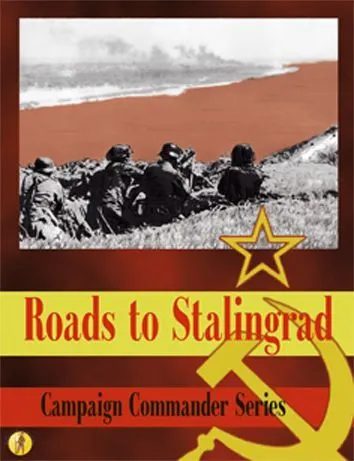
Roads to Stalingrad: Campaign Commander Series
- 2 graczy
- 180 min
- Złożoność 2,5/5
- 2009
2011
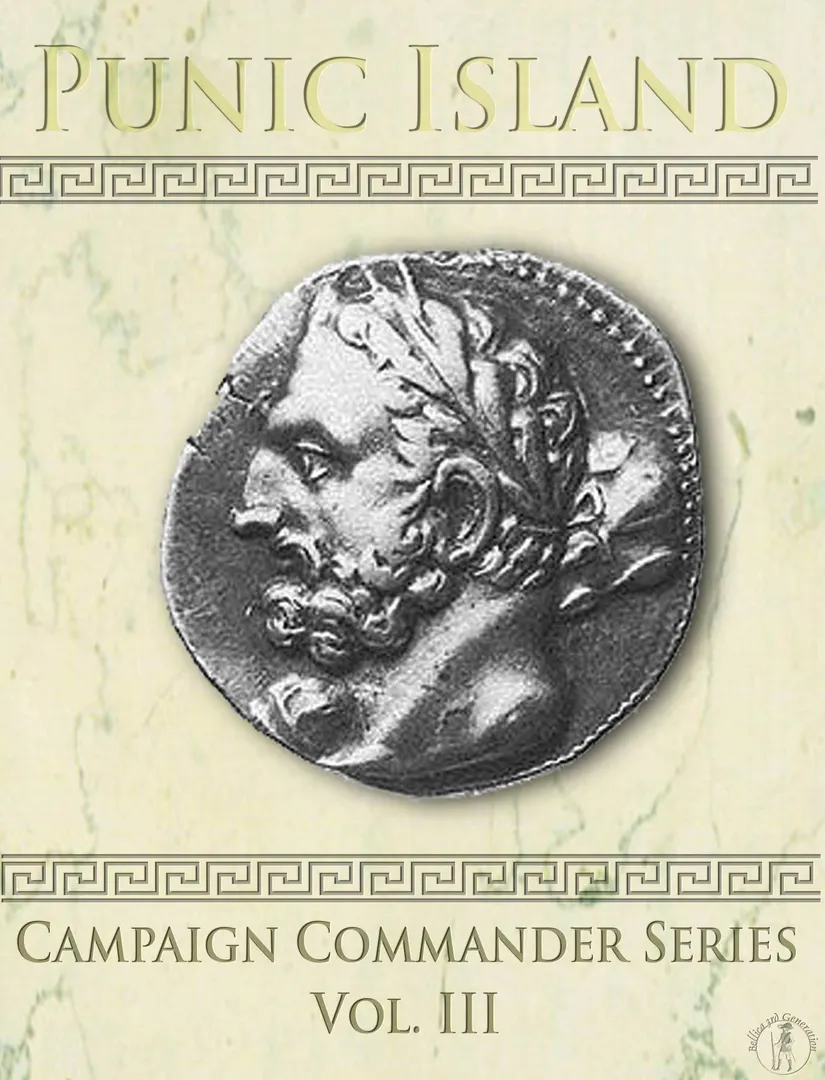
Pomoc w zasadach gry Punic Island: Campaign Commander Volume III
Zrozumiałe wyjaśnienia tur, efektów kart i spornych sytuacji z odnośnikami do oficjalnych źródeł i zapisaną historią pytań.
Dla 2 graczy
Co chcesz wiedzieć?
Odpowiedzi pochodzą z oficjalnej instrukcji, ze stroną do sprawdzenia.
Punic Island: Campaign Commander Volume III to gra planszowa wydana w 2011 roku dla 2 graczy, z rozgrywką trwającą 180–240 minut i dla osób od 12 lat. Projekt gry: Francisco Ronco. Główne mechaniki: Area Movement, Dice Rolling i Simultaneous Action Selection.
Po angielsku
“Punic Island” is the third volume in the Campaign Commander series and simulates the campaign for Sicily and North Africa during the First Punic War. The system takes away from Second World War and goes to Ancients. In 264 Roma was summoned to Messina by Mamertines mercenaries to help in their quarrel with Cartage, the main power in Sicily. Carthaginians count on Hiero the Tirant of Syracuse to help defeating the Mamertines. Here begins the First Punic War. Romans and Carthaginians fought for 22 year over Sicily and in North Africa. Rome emerged victorious and Cartage was obliged to quit his long standing presence in Sicily. The land campaign was a long string of Roman victories as city after city was subdued and every Carthaginian army was defeated in battle. Syracuse was forced to make an alliance with Rome and Cartage was left with only a few fortresses in the island. Anyway the war was won and lost in the sea. The war saw the emergence of Rome as a sea-power and a long string of naval victories allow Roman troops to menace even Cartage proper. Only to be saved by Xantipus and his mercenary army at the Bagradas Plains battle. Naval warfare played a prominent role in this war and will give Carthage Senate his las blow. Carthage tried to spend the Roman effort during the whole war. His strategy was of attrition and was unsuccessful; Rome never gave up a prize. The game is developed in an operational scale – area-based map. It is designed for two players with one running the ROMAN forces and the other the CARTHAGINIAN forces -including Syracuse. The game lasts approximately 3-4 hours and uses a two sided system to handle the mechanics of play: cards and counters. The players will have to use their troops and their resources to obtain victory points while eliminating enemy forces and occupying cities in the map. It is not a card driven game as the cards are used to bring about events that influence battles, secure reinforcements, and provide resources with which to carry on the fight. The ROMAN player will be on the offensive during the whole game as he has to conquer the whole island to get victory. CARTHAGINIAN player focuses on spoiling Roman campaigns and plans with ambushes, sallies and bad weather cards. Also he has to recruit an army as he doesn´t has any at the beginning of the game. The ROMAN player must plan his offensives carefully as he will need a new army and resources for each one. Also he will need to build a fleet his doesn´t have at the start of the war. The sea contest will be evenly match and you better take into account bad weather as it sinks more ships than enemy action. Siege warfare takes a prominent role in this game as every city in the game map is a walled on with his own intrinsic garrison. Like all the games of this Series, the rules are simple and straight forward. Our objective was to create games that are very interactive, and offer players a pleasant creative experience. We aim for solid games for players who do not have the time or the space to leave a game setup and in place over a long period of play. Components: - 1 80x60 cm map of Sicily and North Africa. - two ten-sided dice - 176 unit counters - 1 Rules Book for the Series “Campaign Commander” and Exclusive Rules of “Punic Island”; historical and designer notes. - 70 cards (divided in two decks, plus help cards) - 3 plastic bags.
Według katalogu Punic Island: Campaign Commander Volume III obsługuje 2 graczy. To liczba graczy podana przez wydawcę, więc gra jest zaprojektowana dokładnie dla takiej liczby uczestników. Warianty dla grup innej wielkości, jeśli w ogóle istnieją, opisano w instrukcji twojego wydania; sprawdź ją uważnie, zanim przygotujesz inną konfigurację stołu.
Podany czas rozgrywki w Punic Island: Campaign Commander Volume III wynosi 180–240 minut. To szacunek wydawcy dla pełnej partii. Rzeczywisty czas zależy od grupy, liczby graczy i znajomości zasad: pierwsze partie zwykle trwają dłużej, a doświadczone grupy kończą szybciej. Przygotowanie gry i tłumaczenie zasad nie są wliczone w ten szacunek.
Katalog podaje dla Punic Island: Campaign Commander Volume III wiek od 12 lat. To zalecenie wydawcy, które uwzględnia wymagania dotyczące czytania, złożoność zasad i drobne elementy, a nie tylko tematykę. Młodsi gracze często mogą dołączyć z pomocą dorosłego; sprawdź zalecenie wiekowe swojego wydania i weź pod uwagę doświadczenie grupy z grami planszowymi.
Punic Island: Campaign Commander Volume III ma ocenę złożoności 3,2 na 5 według graczy BoardGameGeek, co czyni ją grą średnio złożoną. Ocena pokazuje, ile znajomości zasad, planowania i podejmowania decyzji wymaga typowa rozgrywka. Cięższe gry wymagają dłuższego pierwszego tłumaczenia, dlatego przed wieczorem z grami warto skorzystać z przewodnika przygotowania.
Punic Island: Campaign Commander Volume III należy do tych kategorii: Wargame i Ancient. Główne mechaniki to Area Movement, Dice Rolling i Simultaneous Action Selection. Kategorie opisują temat i świat gry, a mechaniki to, co gracze faktycznie robią w swojej turze. Każda mechanika prowadzi do strony katalogu z podobnymi grami, co pomaga znaleźć coś porównywalnego na kolejny wieczór.
Autorzy wymienieni przy Punic Island: Campaign Commander Volume III to: Francisco Ronco. Te informacje pochodzą z opublikowanych danych gry i wskazują osoby odpowiedzialne za jej projekt, a nie ilustratorów czy wydawców. Strony autorów w MeepleRules zbierają inne tytuły tych samych twórców, co pomaga, gdy gra ci się podoba i szukasz podobnych.
W katalogu Punic Island: Campaign Commander Volume III figuruje jako gra podstawowa. Można w nią grać samodzielnie, korzystając z elementów z pudełka, bez żadnego innego tytułu. Dodatki, jeśli istnieją, dokładają nową zawartość lub zasady i są wymienione w katalogu osobno, z odnośnikiem do tej gry podstawowej.