
- Pozycja w BGG
- BGG #5381
- Ocena BGG
- 6,9
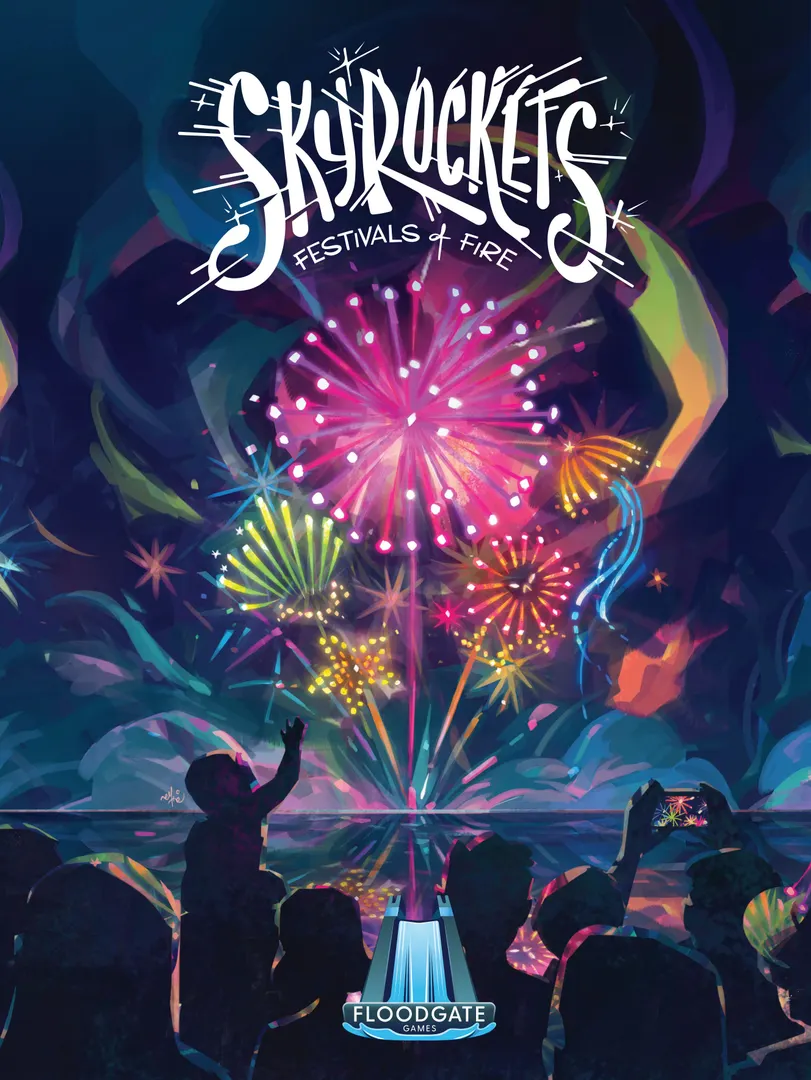
Skyrockets: Festivals of Fire
- 2–5 graczy
- 10–15 min
- Złożoność 1,5/5
- 2023
2026
Pomoc w zasadach gry Ringyō
Zrozumiałe wyjaśnienia tur, efektów kart i spornych sytuacji z odnośnikami do oficjalnych źródeł i zapisaną historią pytań.
Dla 1 gracza
Co chcesz wiedzieć?
Odpowiedzi pochodzą z oficjalnej instrukcji, ze stroną do sprawdzenia.
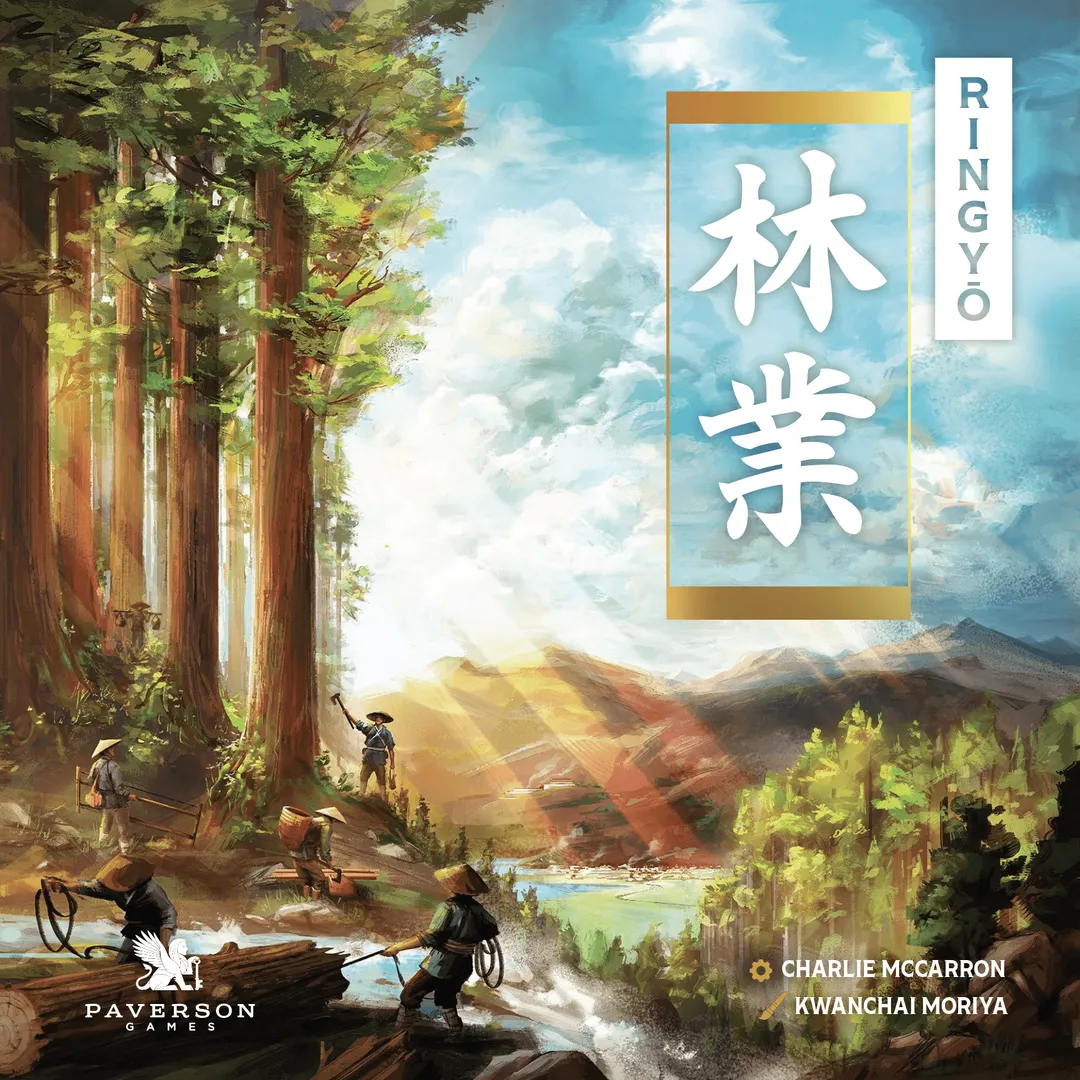
Ringyō to gra planszowa wydana w 2026 roku dla 1–4 graczy, z rozgrywką trwającą 45–90 minut i dla osób od 14 lat. Projekt gry: Charlie McCarron. Główne mechaniki: Auction / Bidding, Simultaneous Action Selection i Worker Placement.




Po angielsku
Set during the Edo Period of Japan, play as a daimyo - or feudal lord - overseeing a personal province board that begins as a wild, old growth forest. Over the course of five rounds, each player will determine the path of their own province by simultaneously placing skilled forestry samurai workers at key intersections to perform actions. These decisions could include the harvesting of trees to construct farms and castles, the planting and study of trees for future knowledge, establishing a new agricultural presence to sustain the region’s population, the building of castle structures for both immediate rewards and eventual honor, or even mustering a military force to help support the efforts of the Shogun in Edo. While tending to their province, players must also forecast, consider, and prepare for the ever-changing weather of Japan, with rain having both positive growth and negative flooding effects on their own land. The deck of weather cards is constantly changing focus on forest regions, and it is up to each daimyo to consider the importance in forecasting and preparing for the weather. If ignored, excessive rains in regions caught unaware could turn into a cascade of destructive flooding across your province! Using their skilled forestry samurai, players may choose to cut down any of the four different tree types found on the landscape, each of which contribute towards a specific combination of required materials for castles and farms to be built in their province or Edo. But players also must consider the sustainable approach to forest regeneration, through the planting, studying, and fostered growth of future generations of trees. If you clear cut the land to have an immediate stockpile of building supplies, you leave your province susceptible to flooding, destruction, and fallow fields. Finding the balance between the demands of the natural environment, your province’s needs, and the Shogun’s demands in Edo is the key to success in Ringyo. In addition to tending to their own region, players must consider the demands of the Shogun in Edo, located in the center of the table, as well. Competing with other daimyo players, each will send advisors from their region to Edo - as well as race to fulfill specific demands of the Shogun - to seek both immediate gifts and receive game-end honor bestowed upon them by the Shogun, allowing them to rise above the competition due to their attention on Edo. Using a combination of bidding for favor with the shogun, simultaneous worker placement in your own province, reacting to the ever-changing weather of the region, and competing with other feudal lords to fulfill the demands of the shogun, Ringyo rewards players with honor who consider both their own region’s needs as well as the requests of the greater country, all while taking a sustainable and respectful approach to the land on which they call home. Whichever path a player has taken, it is the daimyo who has achieved the greatest amount of honor by the end of five rounds, who will become the victor. —description from the publisher
Według katalogu Ringyō obsługuje od 1 do 4 graczy. Ten zakres odpowiada liczbie graczy podanej przez wydawcę, więc grę można przygotować dla dowolnej grupy w jego granicach. Przygotowanie, niektóre zasady i punktacja mogą jednak różnić się w zależności od liczby graczy; dokładną konfigurację sprawdź w instrukcji swojego wydania.
Podany czas rozgrywki w Ringyō wynosi 45–90 minut. To szacunek wydawcy dla pełnej partii. Rzeczywisty czas zależy od grupy, liczby graczy i znajomości zasad: pierwsze partie zwykle trwają dłużej, a doświadczone grupy kończą szybciej. Przygotowanie gry i tłumaczenie zasad nie są wliczone w ten szacunek.
Katalog podaje dla Ringyō wiek od 14 lat. To zalecenie wydawcy, które uwzględnia wymagania dotyczące czytania, złożoność zasad i drobne elementy, a nie tylko tematykę. Młodsi gracze często mogą dołączyć z pomocą dorosłego; sprawdź zalecenie wiekowe swojego wydania i weź pod uwagę doświadczenie grupy z grami planszowymi.
Ringyō ma ocenę złożoności 2,7 na 5 według graczy BoardGameGeek, co czyni ją grą raczej lekką. Ocena pokazuje, ile znajomości zasad, planowania i podejmowania decyzji wymaga typowa rozgrywka. Cięższe gry wymagają dłuższego pierwszego tłumaczenia, dlatego przed wieczorem z grami warto skorzystać z przewodnika przygotowania.
Główne mechaniki gry Ringyō to Auction / Bidding, Simultaneous Action Selection i Worker Placement. Mechaniki opisują, co gracze robią w swojej turze, na przykład rzucają kośćmi, dobierają karty lub rozmieszczają robotników. Każda mechanika prowadzi do strony katalogu z podobnymi grami, jeśli spodobała ci się gra Ringyō.
Autorzy wymienieni przy Ringyō to: Charlie McCarron. Te informacje pochodzą z opublikowanych danych gry i wskazują osoby odpowiedzialne za jej projekt, a nie ilustratorów czy wydawców. Strony autorów w MeepleRules zbierają inne tytuły tych samych twórców, co pomaga, gdy gra ci się podoba i szukasz podobnych.
W katalogu Ringyō figuruje jako gra podstawowa. Można w nią grać samodzielnie, korzystając z elementów z pudełka, bez żadnego innego tytułu. Dodatki, jeśli istnieją, dokładają nową zawartość lub zasady i są wymienione w katalogu osobno, z odnośnikiem do tej gry podstawowej.