- Pozycja w BGG
- BGG #2480
- Ocena BGG
- 7,6
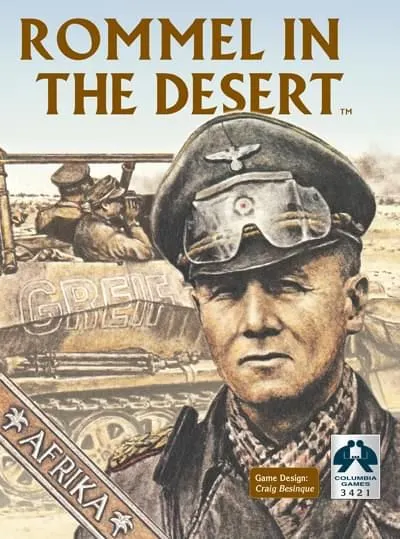
Rommel in the Desert
1982
Pomoc w zasadach gry Rommel in the Desert
Zrozumiałe wyjaśnienia tur, efektów kart i spornych sytuacji z odnośnikami do oficjalnych źródeł i zapisaną historią pytań.
- 2 graczy
- 180–480 min
- 12+
- Złożoność 3,4/5

Dla 2 graczy
Asystent zasad gry Rommel in the Desert
Co chcesz wiedzieć?
Odpowiedzi pochodzą z oficjalnej instrukcji, ze stroną do sprawdzenia.
Rommel in the Desert to gra planszowa wydana w 1982 roku dla 2 graczy, z rozgrywką trwającą 180–480 minut i dla osób od 12 lat. Projekt gry: Craig Besinque. Główne mechaniki: Dice Rolling, Secret Unit Deployment i Hexagon Grid.
O grze
Po angielsku
Rommel in the Desert is a fast-moving, challenging, tense, and playable wargame based on the North Africa desert campaign of World War II. This game has been enjoyed by thousands of gamers for 40 years. Experience the wargame many consider the best on the subject. Rommel in the Desert simulates the experience of command. The real problems of generals have nothing to do with shuffling combat factors to get a perfect 3-1 attack while the enemy waits passively to be overwhelmed. Rommel gained many of his victories by employing speed, daring, and surprise. In this game, as in the desert campaign, the events of the battlefield are often subordinate to the battle of wits and nerves between opposing commanders. A good grasp of strategy will help, but foresight, nerve, and instinct are the crucial elements of success. CONTENTS 100 wooden blocks (20mm) Labels Mapboard (11 x 34 inches) Rules 1.02 42 Supply Cards 4 Dice (adapted from Columbia Games website) Rommel in the Desert is a pre-"Front" game touching on the conflict between the British and Germans in North Africa during WWII. A game of maneuver, each side has to move with precision and know when to strike, since a cut in supply spells disaster for either side. The supply system is card driven. The game comes with a map of North Africa and 100 wooden blocks to represent the British and Germans. This title uses Columbia Games Block system. While there are variations in the rule sets for each of their games nonetheless all of their games are based on block system. Basically this means that rather than the traditional use of counters to represent units on the map the game instead uses wooden blocks that stand upright and with unit details only shown on one side of the blocks. This does two things: First it provides an easy way of producing a "fog of war" because your opponent can not tell, save through good memory, what type of unit a specific piece is and its current strength. Second, by having the blocks stand on end it provides a way to keep track of a units strength by rotating the block so the current strength is the top number. Most war games have some type of mechanism that lets units take steps in their overall strength. Counters normally have at most two steps because of they only have two sides, however blocks have four and so now you can easily keep track of twice the amount of detail that many other war games provide. With the use of blocks Columbia has provided a way of adding a good deal of depth to their war games without adding further complex layers of bookkeeping and thus allow for interesting and relatively short sessions of play. (from BGG user)
Kategorie
Autorzy
Wydawcy
- Doit Games
- Columbia Games
- Game Preserve
Pytania i odpowiedzi
Według katalogu Rommel in the Desert obsługuje 2 graczy. To liczba graczy podana przez wydawcę, więc gra jest zaprojektowana dokładnie dla takiej liczby uczestników. Warianty dla grup innej wielkości, jeśli w ogóle istnieją, opisano w instrukcji twojego wydania; sprawdź ją uważnie, zanim przygotujesz inną konfigurację stołu.
Podany czas rozgrywki w Rommel in the Desert wynosi 180–480 minut. To szacunek wydawcy dla pełnej partii. Rzeczywisty czas zależy od grupy, liczby graczy i znajomości zasad: pierwsze partie zwykle trwają dłużej, a doświadczone grupy kończą szybciej. Przygotowanie gry i tłumaczenie zasad nie są wliczone w ten szacunek.
Katalog podaje dla Rommel in the Desert wiek od 12 lat. To zalecenie wydawcy, które uwzględnia wymagania dotyczące czytania, złożoność zasad i drobne elementy, a nie tylko tematykę. Młodsi gracze często mogą dołączyć z pomocą dorosłego; sprawdź zalecenie wiekowe swojego wydania i weź pod uwagę doświadczenie grupy z grami planszowymi.
Rommel in the Desert ma ocenę złożoności 3,4 na 5 według graczy BoardGameGeek, co czyni ją grą średnio złożoną. Ocena pokazuje, ile znajomości zasad, planowania i podejmowania decyzji wymaga typowa rozgrywka. Cięższe gry wymagają dłuższego pierwszego tłumaczenia, dlatego przed wieczorem z grami warto skorzystać z przewodnika przygotowania.
Rommel in the Desert należy do tych kategorii: Wargame i World War II. Główne mechaniki to Dice Rolling, Secret Unit Deployment i Hexagon Grid. Kategorie opisują temat i świat gry, a mechaniki to, co gracze faktycznie robią w swojej turze. Każda mechanika prowadzi do strony katalogu z podobnymi grami, co pomaga znaleźć coś porównywalnego na kolejny wieczór.
Autorzy wymienieni przy Rommel in the Desert to: Craig Besinque. Te informacje pochodzą z opublikowanych danych gry i wskazują osoby odpowiedzialne za jej projekt, a nie ilustratorów czy wydawców. Strony autorów w MeepleRules zbierają inne tytuły tych samych twórców, co pomaga, gdy gra ci się podoba i szukasz podobnych.
W katalogu Rommel in the Desert figuruje jako gra podstawowa. Można w nią grać samodzielnie, korzystając z elementów z pudełka, bez żadnego innego tytułu. Dodatki, jeśli istnieją, dokładają nową zawartość lub zasady i są wymienione w katalogu osobno, z odnośnikiem do tej gry podstawowej.