
- Pozycja w BGG
- BGG #33
- Ocena BGG
- 8,1
Horror w Arkham: Gra Karciana
- 1–2 graczy
- 60–120 min
- Złożoność 3,6/5
- 2016
2015
Pomoc w zasadach gry Shadow of the Elder Gods
Zrozumiałe wyjaśnienia tur, efektów kart i spornych sytuacji z odnośnikami do oficjalnych źródeł i zapisaną historią pytań.
Co chcesz wiedzieć?
Odpowiedzi pochodzą z oficjalnej instrukcji, ze stroną do sprawdzenia.
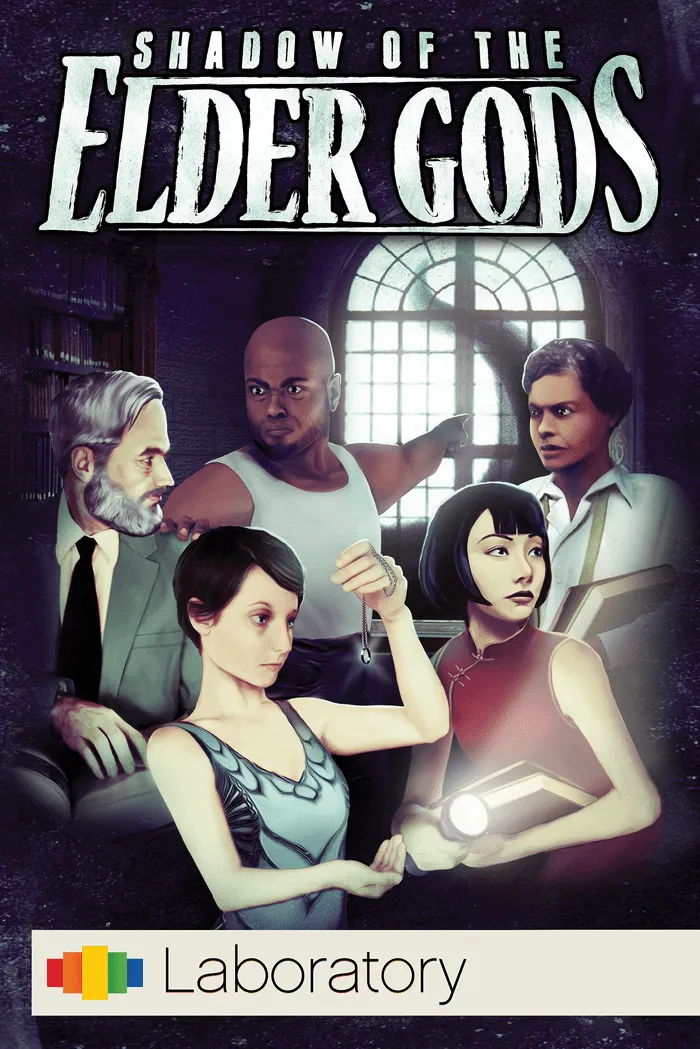
Shadow of the Elder Gods to gra planszowa wydana w 2015 roku dla 1–4 graczy, z rozgrywką trwającą 20 minut i dla osób od 13 lat. Projekt gry: Clayton Grey. Główne mechaniki: Variable Player Powers, Cooperative Game i Events.





Po angielsku
Arkham is a city under the constant threat of cosmic terror. Dark forces work behind the scenes to undermine the fabric of reality. One has the sense that if Arkham were to fall, it may spell the end of everything. But darkness has ways of being seen. The Ring of Shadows has been found, or maybe wanted to be found, at this critical hour. It's up to the citizens of the Miskatonic Valley to work together to wield its awful power to stop the end before it begins. In Shadow of the Elder Gods, 1-4 players take on the roles of citizens of Arkham who work together to prevent cosmic horrors from unraveling reality. Shadow focuses on dealing with the consequences of dark forces conspiring against players, rather than combat. Players take turns spending actions to travel the streets of Arkham researching Knowledge, hiring Muscle, collecting Assets, and dealing with Threats. Each game revolves around an inevitable danger to Arkham which is represented by the Threat Deck, a constructed deck of cards which players must survive in order to banish the Elder Threat and win the game. Each threat card features an Arkham face and a Shadow face. The Arkham faces represents the visible manifestations of the unseemly things found on the Shadow faces of the cards. Whenever the player with the Threat Start Marker begins their turn, a Threat token is placed on the current Threat Card and the indicated damage is dealt to players or locations. The first/last card represents the unique Elder Threat which players must contend with in order to win. The player who possesses the Ring of Shadows is able to view the Shadow side of the Threat Deck and deal with the Threat at hand by using what resources they have, but they expose themselves and others to harm in the process. If players manage to survive their final encounter with the Elder Threat in the shadows, they unceremoniously save the world from incomprehensible danger. But such is the way in Shadow of the Elder Gods.
Według katalogu Shadow of the Elder Gods obsługuje od 1 do 4 graczy. Ten zakres odpowiada liczbie graczy podanej przez wydawcę, więc grę można przygotować dla dowolnej grupy w jego granicach. Przygotowanie, niektóre zasady i punktacja mogą jednak różnić się w zależności od liczby graczy; dokładną konfigurację sprawdź w instrukcji swojego wydania.
Podany czas rozgrywki w Shadow of the Elder Gods wynosi 20 minut. To szacunek wydawcy dla pełnej partii. Rzeczywisty czas zależy od grupy, liczby graczy i znajomości zasad: pierwsze partie zwykle trwają dłużej, a doświadczone grupy kończą szybciej. Przygotowanie gry i tłumaczenie zasad nie są wliczone w ten szacunek.
Katalog podaje dla Shadow of the Elder Gods wiek od 13 lat. To zalecenie wydawcy, które uwzględnia wymagania dotyczące czytania, złożoność zasad i drobne elementy, a nie tylko tematykę. Młodsi gracze często mogą dołączyć z pomocą dorosłego; sprawdź zalecenie wiekowe swojego wydania i weź pod uwagę doświadczenie grupy z grami planszowymi.
Shadow of the Elder Gods ma ocenę złożoności 2,1 na 5 według graczy BoardGameGeek, co czyni ją grą raczej lekką. Ocena pokazuje, ile znajomości zasad, planowania i podejmowania decyzji wymaga typowa rozgrywka. Cięższe gry wymagają dłuższego pierwszego tłumaczenia, dlatego przed wieczorem z grami warto skorzystać z przewodnika przygotowania.
Shadow of the Elder Gods należy do tych kategorii: Horror i Adventure. Główne mechaniki to Variable Player Powers, Cooperative Game i Events. Kategorie opisują temat i świat gry, a mechaniki to, co gracze faktycznie robią w swojej turze. Każda mechanika prowadzi do strony katalogu z podobnymi grami, co pomaga znaleźć coś porównywalnego na kolejny wieczór.
Autorzy wymienieni przy Shadow of the Elder Gods to: Clayton Grey. Te informacje pochodzą z opublikowanych danych gry i wskazują osoby odpowiedzialne za jej projekt, a nie ilustratorów czy wydawców. Strony autorów w MeepleRules zbierają inne tytuły tych samych twórców, co pomaga, gdy gra ci się podoba i szukasz podobnych.
W katalogu Shadow of the Elder Gods figuruje jako gra podstawowa. Można w nią grać samodzielnie, korzystając z elementów z pudełka, bez żadnego innego tytułu. Dodatki, jeśli istnieją, dokładają nową zawartość lub zasady i są wymienione w katalogu osobno, z odnośnikiem do tej gry podstawowej.
