
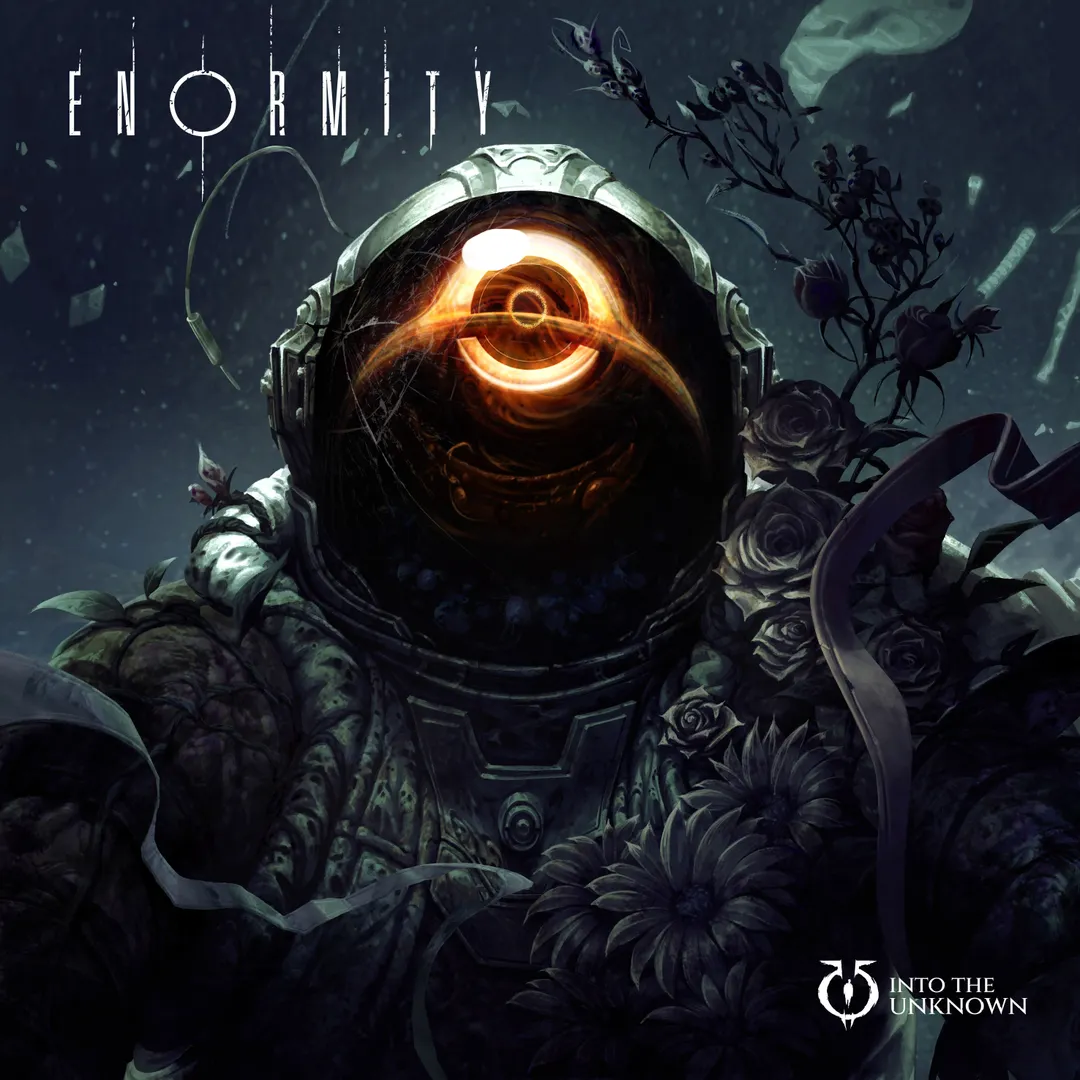
- Pozycja w BGG
- BGG #20 852
- Ocena BGG
- 8,0
Enormity
- 1–4 graczy
- 60–90 min
- Złożoność 4,0/5
- 2026

2023
Pomoc w zasadach gry Solus: Lost
Zrozumiałe wyjaśnienia tur, efektów kart i spornych sytuacji z odnośnikami do oficjalnych źródeł i zapisaną historią pytań.
Dla 1 gracza
Co chcesz wiedzieć?
Odpowiedzi pochodzą z oficjalnej instrukcji, ze stroną do sprawdzenia.
Solus: Lost to gra planszowa wydana w 2023 roku dla 1 gracza, z rozgrywką trwającą 20–30 minut i dla osób od 14 lat. Główne mechaniki: Dice Rolling, Solo / Solitaire Game i Move Through Deck.
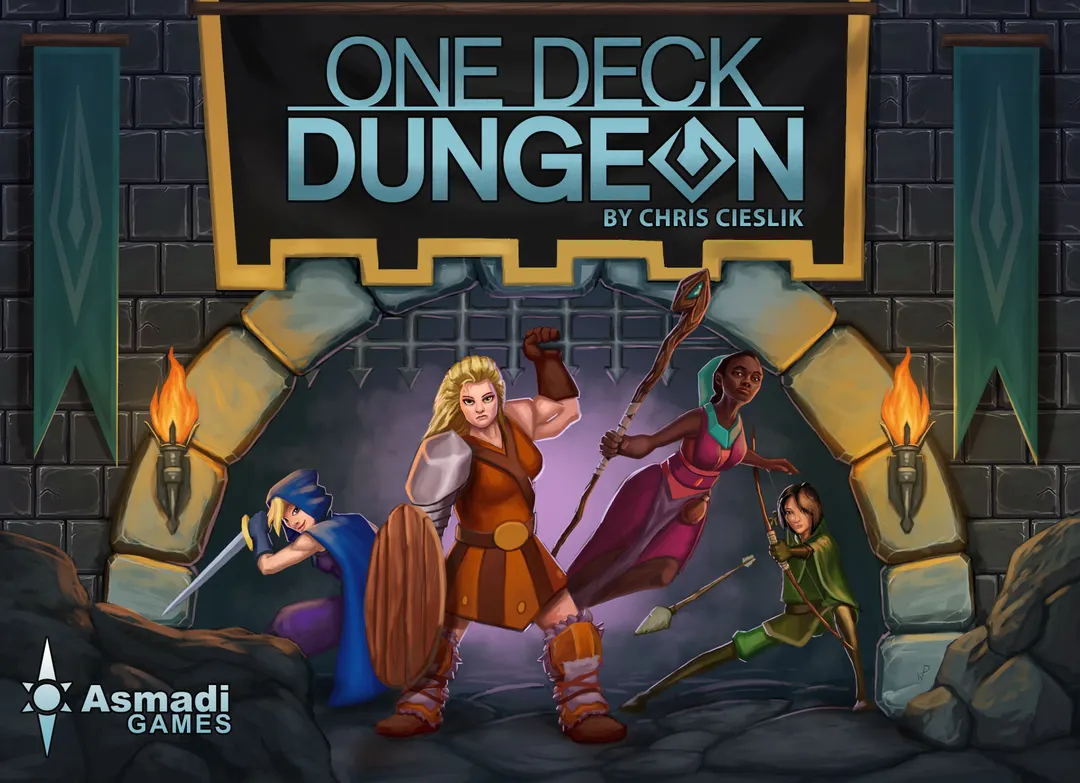


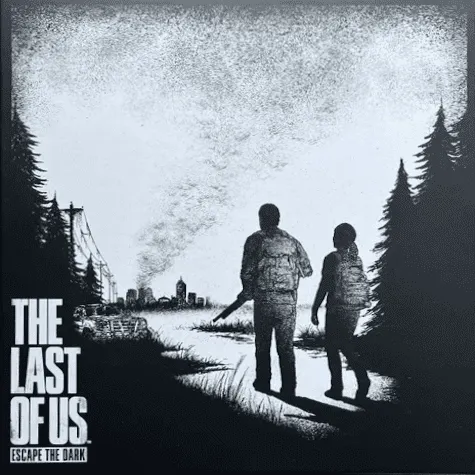


Po angielsku
Lost in the vast and unforgiving cosmos, you are a wayward space traveler yearning to find your way back home. But the path ahead is treacherous and full of peril, for you must first find and activate the elusive homelinks that will guide you back to where you belong. The stakes are high, for failure to find and activate all four homelinks means certain doom in the unforgiving depths of space. To emerge victorious in Solus: Lost, your objective is to locate all four home links within the deck and activate them using their corresponding artifacts. These artifacts are safeguarded by four overlords that you must confront and defeat. In this game, you have two vital metrics to monitor: the damage to your ship and your pilot's age. During battles or specific scenarios, your ship may sustain damage, while your pilot's age will increase by increments of 10 years depending on certain situations. If either of these vital indicators reaches the ominous skull icon, you face defeat in the game. To commence the game, start by shuffling your deck and placing two cards face down. From these two cards, you must select one to reveal and resolve its contents. Afterward, transfer that card to its corresponding discard pile and replace it with another face-down card. Repeat this process, making your choice once more. The card you unveil might present a variety of outcomes, ranging from benevolent beings capable of repairing your pilot's age to asteroid fields, hostile starfighters, or even the menacing time eater. Engaging in combat involves rolling a twenty-sided die (D20) and following the damage scale to determine whether you, or the enemy sustains damage, or whether you both receive damage. 14 years+ | One Player | 20-30 minutes Box Contents: 1 deck of cards 20d Die 2 Plastic cubes Instructions
Według katalogu Solus: Lost obsługuje 1 gracza. To liczba graczy podana przez wydawcę, więc gra jest zaprojektowana dokładnie dla takiej liczby uczestników. Warianty dla grup innej wielkości, jeśli w ogóle istnieją, opisano w instrukcji twojego wydania; sprawdź ją uważnie, zanim przygotujesz inną konfigurację stołu.
Podany czas rozgrywki w Solus: Lost wynosi 20–30 minut. To szacunek wydawcy dla pełnej partii. Rzeczywisty czas zależy od grupy, liczby graczy i znajomości zasad: pierwsze partie zwykle trwają dłużej, a doświadczone grupy kończą szybciej. Przygotowanie gry i tłumaczenie zasad nie są wliczone w ten szacunek.
Katalog podaje dla Solus: Lost wiek od 14 lat. To zalecenie wydawcy, które uwzględnia wymagania dotyczące czytania, złożoność zasad i drobne elementy, a nie tylko tematykę. Młodsi gracze często mogą dołączyć z pomocą dorosłego; sprawdź zalecenie wiekowe swojego wydania i weź pod uwagę doświadczenie grupy z grami planszowymi.
Solus: Lost ma ocenę złożoności 2,0 na 5 według graczy BoardGameGeek, co czyni ją grą raczej lekką. Ocena pokazuje, ile znajomości zasad, planowania i podejmowania decyzji wymaga typowa rozgrywka. Cięższe gry wymagają dłuższego pierwszego tłumaczenia, dlatego przed wieczorem z grami warto skorzystać z przewodnika przygotowania.
Solus: Lost należy do tych kategorii: Card Game, Dice i Science Fiction. Główne mechaniki to Dice Rolling, Solo / Solitaire Game i Move Through Deck. Kategorie opisują temat i świat gry, a mechaniki to, co gracze faktycznie robią w swojej turze. Każda mechanika prowadzi do strony katalogu z podobnymi grami, co pomaga znaleźć coś porównywalnego na kolejny wieczór.
W katalogu Solus: Lost figuruje jako gra podstawowa. Można w nią grać samodzielnie, korzystając z elementów z pudełka, bez żadnego innego tytułu. Dodatki, jeśli istnieją, dokładają nową zawartość lub zasady i są wymienione w katalogu osobno, z odnośnikiem do tej gry podstawowej.