
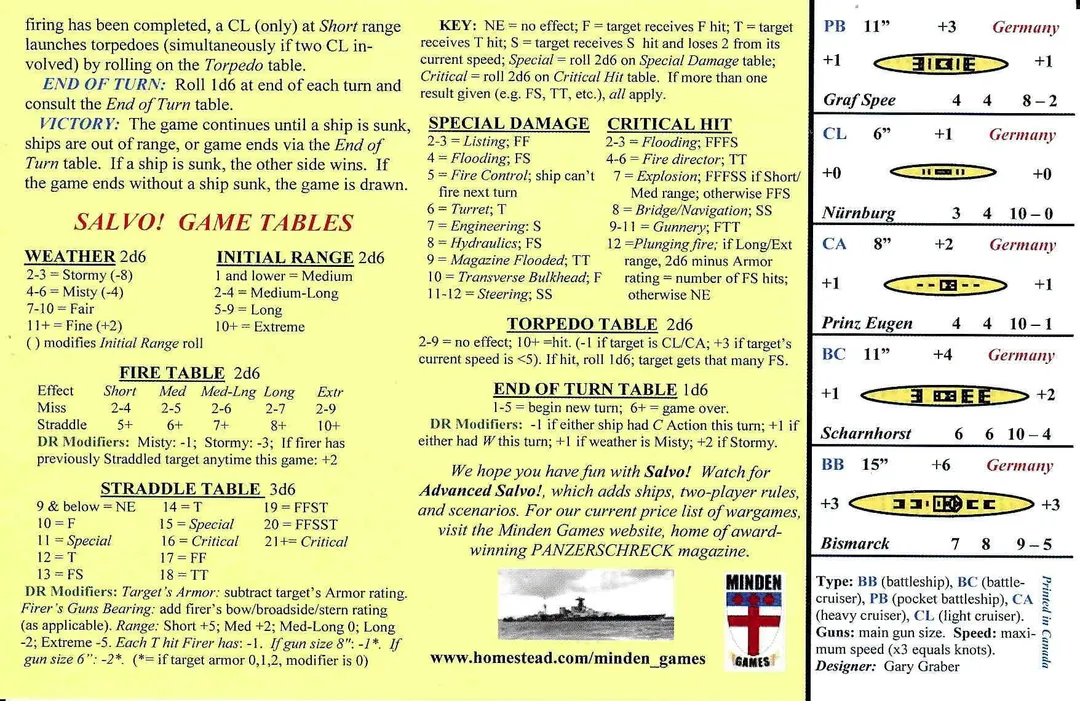
- Pozycja w BGG
- BGG #22 158
- Ocena BGG
- 6,4
Salvo!
- 1 gracz
- 60 min
- Złożoność 1,3/5
- 2007
2021
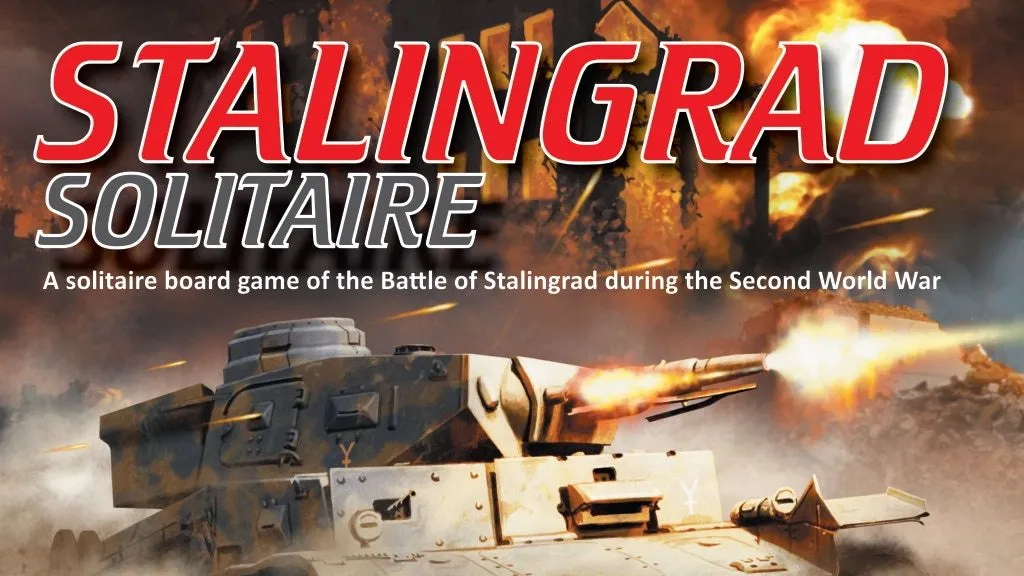
Pomoc w zasadach gry Stalingrad Solitaire
Zrozumiałe wyjaśnienia tur, efektów kart i spornych sytuacji z odnośnikami do oficjalnych źródeł i zapisaną historią pytań.
Dla 1 gracza
Co chcesz wiedzieć?
Odpowiedzi pochodzą z oficjalnej instrukcji, ze stroną do sprawdzenia.
Stalingrad Solitaire to gra planszowa wydana w 2021 roku dla 1 gracza, z rozgrywką trwającą 120–180 minut i dla osób od 14 lat. Projekt gry: Gary Graber. Główne mechaniki: Dice Rolling, Point to Point Movement i Simulation.
Po angielsku
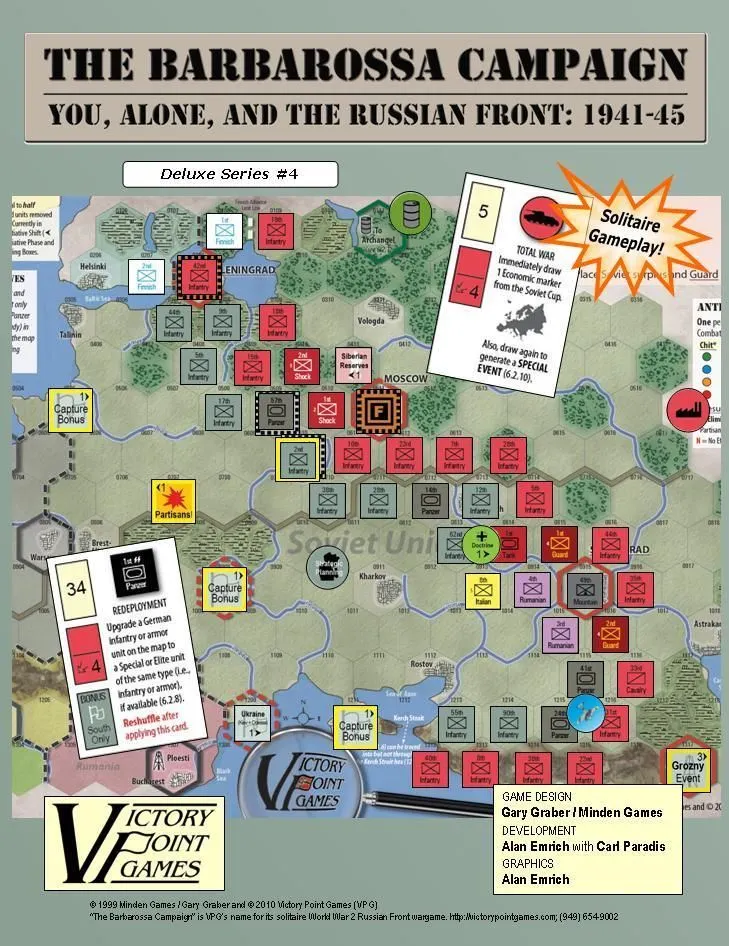
Stalingrad Solitaire is a solitaire game simulating the last weeks of the encircled German 6th Army in the pocket German troops nicknamed “The Cauldron” that formed in and to the west of the city of Stalingrad when Soviet troops broke through the Wehrmacht’s front lines in December 1942. You represent 6th Army’s commander, General Paulus. All actions of the Soviet commander Zhukov and subordinate units are strictly controlled by the game rules. As Paulus, your goal is to save the trapped army in the Cauldron while at the same time cooperating with the high command (OKW) to preserve the integrity of the entire southern front in Russia. Each turn you perform various types of actions within the pocket. Die rolls and rules determine the strategic situation and strategy employed by Army Group South outside the pocket, specifically in terms of the commitment levels of the Luftwaffe (air force) and General Hoth's relief force. Each turn represents one to five days, depending on the level of activity. The entire board represents territory approximately 35 by 65 miles. German units typically represent divisions, while Soviet units are officially armies that were usually the rough equivalent of a German division. Each supply point represents about 50 tons delivered per day. Each evacuated wounded factor represents 1500 men. This war game is big in scope (and lettering) and can be played in a (long) evening. Rather than standard 9/16" or even 5/8" inch counters, this game utilizes our custom 3/4" square counter die to create large, thick counters that are easy to see and manipulate. The base game also contains a map with easy ergonomics, and a well tested game system that approaches its subject with enough abstraction to keep the game tight, but enough detail to do justice to history and create an array of complex decisions. The map represents the city of Stalingrad and surrounding area and contains 64 areas for regulating movement and combat. Each area is linked to every other area it is connected to by a line. The player controls all vacant areas inside the German Perimeter marked on the map. The player also controls all areas containing German units, regardless of their location. Any vacant area outside the Perimeter or occupied by a Soviet unit are under Soviet control. No area may contain units from both sides. Game counters represent combat units and information markers. German units are blue, their Rumanian allies are yellow, Soviet units are red, and information markers are white. The number of counters provided in the game is deliberately limited. Cards are used to determine outcomes for weather, offensives, as well as individual attacks, and provide random changes to the game state as well as randomised situations.
Według katalogu Stalingrad Solitaire obsługuje 1 gracza. To liczba graczy podana przez wydawcę, więc gra jest zaprojektowana dokładnie dla takiej liczby uczestników. Warianty dla grup innej wielkości, jeśli w ogóle istnieją, opisano w instrukcji twojego wydania; sprawdź ją uważnie, zanim przygotujesz inną konfigurację stołu.
Podany czas rozgrywki w Stalingrad Solitaire wynosi 120–180 minut. To szacunek wydawcy dla pełnej partii. Rzeczywisty czas zależy od grupy, liczby graczy i znajomości zasad: pierwsze partie zwykle trwają dłużej, a doświadczone grupy kończą szybciej. Przygotowanie gry i tłumaczenie zasad nie są wliczone w ten szacunek.
Katalog podaje dla Stalingrad Solitaire wiek od 14 lat. To zalecenie wydawcy, które uwzględnia wymagania dotyczące czytania, złożoność zasad i drobne elementy, a nie tylko tematykę. Młodsi gracze często mogą dołączyć z pomocą dorosłego; sprawdź zalecenie wiekowe swojego wydania i weź pod uwagę doświadczenie grupy z grami planszowymi.
Stalingrad Solitaire ma ocenę złożoności 2,5 na 5 według graczy BoardGameGeek, co czyni ją grą raczej lekką. Ocena pokazuje, ile znajomości zasad, planowania i podejmowania decyzji wymaga typowa rozgrywka. Cięższe gry wymagają dłuższego pierwszego tłumaczenia, dlatego przed wieczorem z grami warto skorzystać z przewodnika przygotowania.
Stalingrad Solitaire należy do tych kategorii: Wargame i World War II. Główne mechaniki to Dice Rolling, Point to Point Movement i Simulation. Kategorie opisują temat i świat gry, a mechaniki to, co gracze faktycznie robią w swojej turze. Każda mechanika prowadzi do strony katalogu z podobnymi grami, co pomaga znaleźć coś porównywalnego na kolejny wieczór.
Autorzy wymienieni przy Stalingrad Solitaire to: Gary Graber. Te informacje pochodzą z opublikowanych danych gry i wskazują osoby odpowiedzialne za jej projekt, a nie ilustratorów czy wydawców. Strony autorów w MeepleRules zbierają inne tytuły tych samych twórców, co pomaga, gdy gra ci się podoba i szukasz podobnych.
W katalogu Stalingrad Solitaire figuruje jako gra podstawowa. Można w nią grać samodzielnie, korzystając z elementów z pudełka, bez żadnego innego tytułu. Dodatki, jeśli istnieją, dokładają nową zawartość lub zasady i są wymienione w katalogu osobno, z odnośnikiem do tej gry podstawowej.