
- Pozycja w BGG
- BGG #15 738
- Ocena BGG
- 7,1
1813: Napoleon's Nemesis
- 1–2 graczy
- 180–240 min
- Złożoność 2,8/5
- 2016
2018
Pomoc w zasadach gry The Battle of Blenheim, 1704
Zrozumiałe wyjaśnienia tur, efektów kart i spornych sytuacji z odnośnikami do oficjalnych źródeł i zapisaną historią pytań.
Dla 2 graczy
Co chcesz wiedzieć?
Odpowiedzi pochodzą z oficjalnej instrukcji, ze stroną do sprawdzenia.
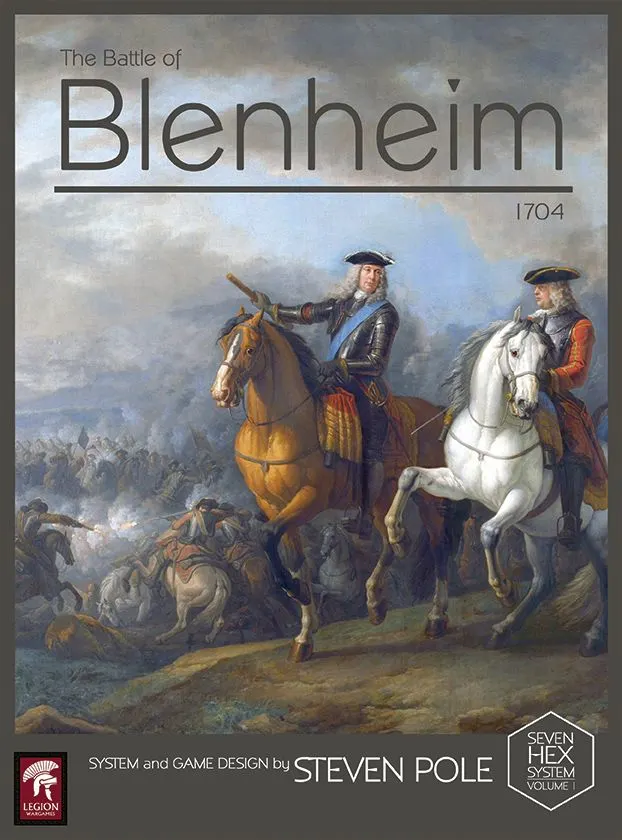
The Battle of Blenheim, 1704 to gra planszowa wydana w 2018 roku dla 2 graczy. Projekt gry: Stephen Pole. Główne mechaniki: Dice Rolling, Hexagon Grid i Simulation.






Po angielsku
(from Legion Wargames website) The Battle of Blenheim is a tactical level two player game covering one of the pivotal battles during the War of Spanish Succession. One player takes the role of Marlborough, commanding the British and Allied forces, and the other of Tallard, leading the Franco-Bavarians. At Blenheim Marlborough found himself confronting a superior Franco-Bavarian force in a strong defensive position. Like Hannibal's great victory at Cannae, Blenheim was won by the successful implementation of a bold and imaginative plan. The flanks of the Franco-Bavarian forces were pinned by furious attacks at unfavourable odds which denuded their centre of troops re-deployed to buttress the hard-pressed wings. Then Marlborough released his cavalry to smash what was left of Franco-Bavarian centre and cleave Tallard's army into two. The threat that Louis XIV's France would come to dominate Europe was over. The Seven Hex System (SHS) derives its name from the map which is divided into areas comprised of seven hexes which enables the player to adopt various positions within an area to reflect different tactical formations thereby making it more likely that an attack will succeed or defending units will stand firm. The SHS incorporates several unique features intended to replicate in a simple and intuitive way the options available to a commander (the wargamer) of a large army. So whilst the commander has complete freedom to devise a plan, and a good deal when positioning units which have yet to encounter the enemy, once battle is joined the options become increasingly limited and unforeseen events can play a part in determining the outcome of events but the commander can still influence these at a tactical level. The key to success is a sound plan with a margin for error which allows for ill-fortune, the shrewd deployment of units so as to be able to implement that plan, and the timely commitment of reserves. Contents: 22" x 34" Game Map 176 - EasyPunch 6/10" Counters 16 pages Game Rules 3 Charts Player Aids
Według katalogu The Battle of Blenheim, 1704 obsługuje 2 graczy. To liczba graczy podana przez wydawcę, więc gra jest zaprojektowana dokładnie dla takiej liczby uczestników. Warianty dla grup innej wielkości, jeśli w ogóle istnieją, opisano w instrukcji twojego wydania; sprawdź ją uważnie, zanim przygotujesz inną konfigurację stołu.
The Battle of Blenheim, 1704 ma ocenę złożoności 3,1 na 5 według graczy BoardGameGeek, co czyni ją grą średnio złożoną. Ocena pokazuje, ile znajomości zasad, planowania i podejmowania decyzji wymaga typowa rozgrywka. Cięższe gry wymagają dłuższego pierwszego tłumaczenia, dlatego przed wieczorem z grami warto skorzystać z przewodnika przygotowania.
The Battle of Blenheim, 1704 należy do tych kategorii: Wargame i Age of Reason. Główne mechaniki to Dice Rolling, Hexagon Grid i Simulation. Kategorie opisują temat i świat gry, a mechaniki to, co gracze faktycznie robią w swojej turze. Każda mechanika prowadzi do strony katalogu z podobnymi grami, co pomaga znaleźć coś porównywalnego na kolejny wieczór.
Autorzy wymienieni przy The Battle of Blenheim, 1704 to: Stephen Pole. Te informacje pochodzą z opublikowanych danych gry i wskazują osoby odpowiedzialne za jej projekt, a nie ilustratorów czy wydawców. Strony autorów w MeepleRules zbierają inne tytuły tych samych twórców, co pomaga, gdy gra ci się podoba i szukasz podobnych.
W katalogu The Battle of Blenheim, 1704 figuruje jako gra podstawowa. Można w nią grać samodzielnie, korzystając z elementów z pudełka, bez żadnego innego tytułu. Dodatki, jeśli istnieją, dokładają nową zawartość lub zasady i są wymienione w katalogu osobno, z odnośnikiem do tej gry podstawowej.