
- Pozycja w BGG
- BGG #14 044
- Ocena BGG
- 7,3
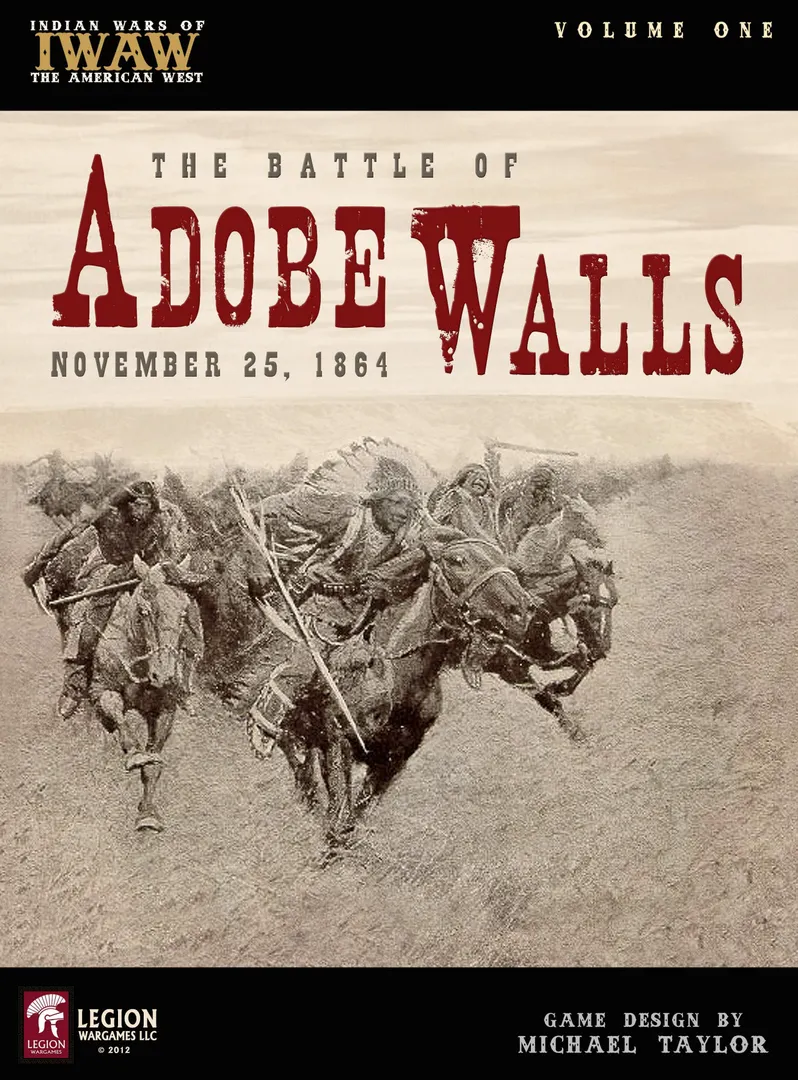
The Battle of Adobe Walls, November 25, 1864
- 1–2 graczy
- 360 min
- Złożoność 2,7/5
- 2009
2005
Pomoc w zasadach gry The Battle of the Little Bighorn
Zrozumiałe wyjaśnienia tur, efektów kart i spornych sytuacji z odnośnikami do oficjalnych źródeł i zapisaną historią pytań.
Dla 1 gracza
Co chcesz wiedzieć?
Odpowiedzi pochodzą z oficjalnej instrukcji, ze stroną do sprawdzenia.
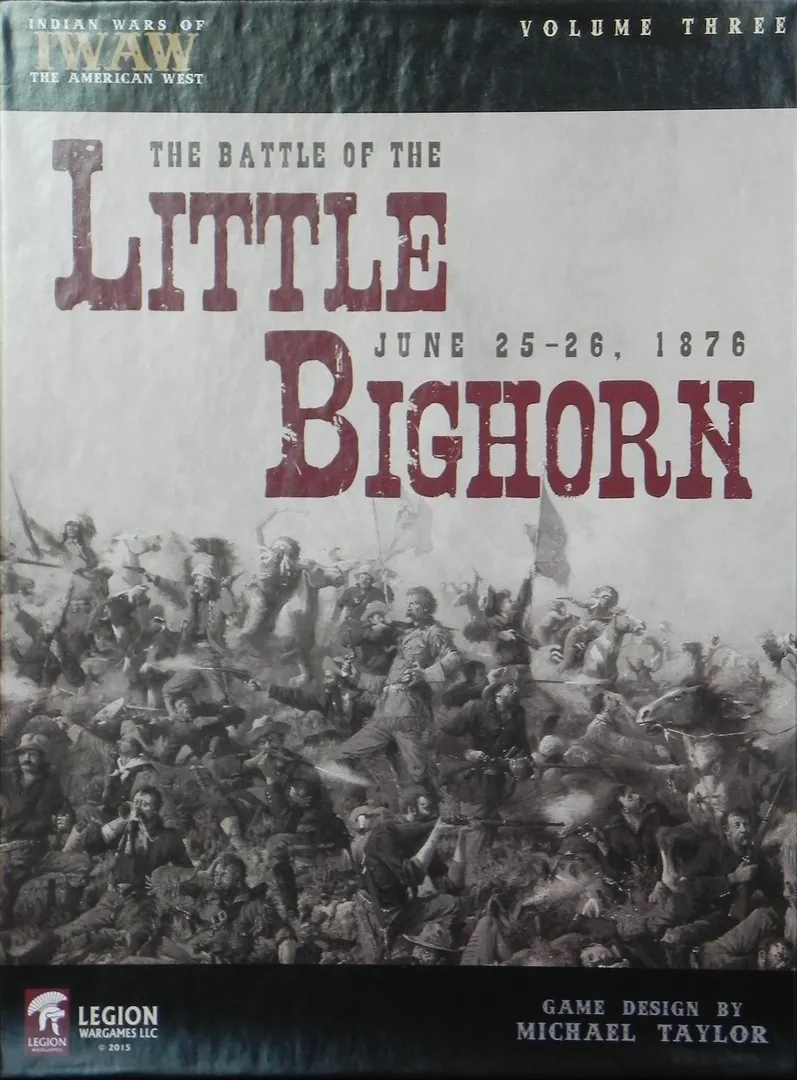
The Battle of the Little Bighorn to gra planszowa wydana w 2005 roku dla 1–2 graczy, z rozgrywką trwającą 180–300 minut i dla osób od 12 lat. Projekt gry: Michael Taylor (I). Główne mechaniki: Dice Rolling, Variable Set-up i Grid Movement.





Po angielsku
Reprint of the CSR Award Winner: Best Desktop Published Wargame, 2007. The Battle of the Little Bighorn, also known as Custer's Last Stand, was the epic fight between a massive combined force of Plains Indian tribes and the 7th United States Cavalry under the command of Lt. Col. George Armstrong Custer. The battle was the most famous event in the Indian Wars and was a crushing victory for the Indians. Custer, already famous for his Civil War exploits, became an American folk legend. Little Bighorn was the last great victory for the Sioux and Cheyenne. Defiant and proud, they were determined to preserve their way of life, but within a year, they were broken and defeated by a nation swept up in the emotions of the Centennial and bent on revenge for the death of an American hero. The Battle of the Little Bighorn is the third game in the Indian Wars of the American West series. This game also includes the Montana column led by Col. Gibbons. This column was the third column in the field within General Terry’s campaign plan. Crook’s Wyoming column was the other part of this campaign, and included in Volume II of the series, The Battle of Rosebud Creek. The Montana column includes Col. Gibbon, the 7th Infantry, 2nd Cavalry, and Low’s Artillery Battery of Gatling guns(?) and a 12 lb howitzer. Players may now explore the possibilities and capabilities of these guns, and what effect these forces could have had on the outcome of the battle. Scenarios included the historical game, the Montana columns arrival, assigning the Gatling guns or the 2nd cavalry with Custer. Is this last line correct? The new expanded maps (from the original DTP version), allows for the relocation of the Indian village, the arrival of the Montana column, and if Custer had waited for Terry or was delayed because he took the Gatling guns.
Według katalogu The Battle of the Little Bighorn obsługuje od 1 do 2 graczy. Ten zakres odpowiada liczbie graczy podanej przez wydawcę, więc grę można przygotować dla dowolnej grupy w jego granicach. Przygotowanie, niektóre zasady i punktacja mogą jednak różnić się w zależności od liczby graczy; dokładną konfigurację sprawdź w instrukcji swojego wydania.
Podany czas rozgrywki w The Battle of the Little Bighorn wynosi 180–300 minut. To szacunek wydawcy dla pełnej partii. Rzeczywisty czas zależy od grupy, liczby graczy i znajomości zasad: pierwsze partie zwykle trwają dłużej, a doświadczone grupy kończą szybciej. Przygotowanie gry i tłumaczenie zasad nie są wliczone w ten szacunek.
Katalog podaje dla The Battle of the Little Bighorn wiek od 12 lat. To zalecenie wydawcy, które uwzględnia wymagania dotyczące czytania, złożoność zasad i drobne elementy, a nie tylko tematykę. Młodsi gracze często mogą dołączyć z pomocą dorosłego; sprawdź zalecenie wiekowe swojego wydania i weź pod uwagę doświadczenie grupy z grami planszowymi.
The Battle of the Little Bighorn ma ocenę złożoności 3,5 na 5 według graczy BoardGameGeek, co czyni ją grą średnio złożoną. Ocena pokazuje, ile znajomości zasad, planowania i podejmowania decyzji wymaga typowa rozgrywka. Cięższe gry wymagają dłuższego pierwszego tłumaczenia, dlatego przed wieczorem z grami warto skorzystać z przewodnika przygotowania.
The Battle of the Little Bighorn należy do tych kategorii: Wargame, American West i Post-Napoleonic. Główne mechaniki to Dice Rolling, Variable Set-up i Grid Movement. Kategorie opisują temat i świat gry, a mechaniki to, co gracze faktycznie robią w swojej turze. Każda mechanika prowadzi do strony katalogu z podobnymi grami, co pomaga znaleźć coś porównywalnego na kolejny wieczór.
Autorzy wymienieni przy The Battle of the Little Bighorn to: Michael Taylor (I). Te informacje pochodzą z opublikowanych danych gry i wskazują osoby odpowiedzialne za jej projekt, a nie ilustratorów czy wydawców. Strony autorów w MeepleRules zbierają inne tytuły tych samych twórców, co pomaga, gdy gra ci się podoba i szukasz podobnych.
W katalogu The Battle of the Little Bighorn figuruje jako gra podstawowa. Można w nią grać samodzielnie, korzystając z elementów z pudełka, bez żadnego innego tytułu. Dodatki, jeśli istnieją, dokładają nową zawartość lub zasady i są wymienione w katalogu osobno, z odnośnikiem do tej gry podstawowej.