
- Pozycja w BGG
- BGG #19 951
- Ocena BGG
- 6,8
Shining Path: The Struggle for Peru
- 2 graczy
- 90–240 min
- Złożoność 3,0/5
- 1997
2014
Pomoc w zasadach gry The Greek Civil War, 1947-49
Zrozumiałe wyjaśnienia tur, efektów kart i spornych sytuacji z odnośnikami do oficjalnych źródeł i zapisaną historią pytań.
Dla 2 graczy
Co chcesz wiedzieć?
Odpowiedzi pochodzą z oficjalnej instrukcji, ze stroną do sprawdzenia.
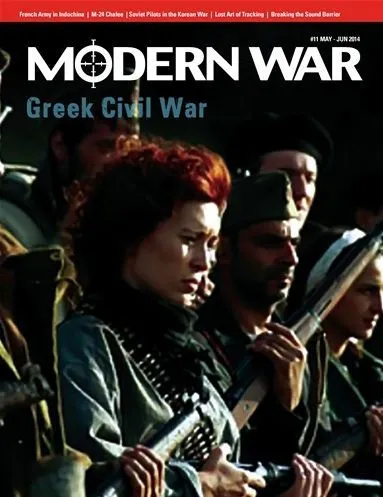
The Greek Civil War, 1947-49 to gra planszowa wydana w 2014 roku dla 2 graczy i z rozgrywką trwającą 120–240 minut. Projekt gry: Brian Train. Główne mechaniki: Area Movement, Area Majority / Influence i Hexagon Grid.



Po angielsku
The Greek Civil War, 1947-49 is a game for two players simulating the 1947-49 conflict between the government of Greece and the DSE (Dimokratikos Stratos Elladas, or “Greek Democratic Army”), the fighting organization controlled by the Greek Communist Party. During the game, the DSE Player tries to erode the power of the Greek authorities and replace their governing structures with his own, while the Government player tries to contain this threat to civil society with civilian police and the servicemen and reservists of the Greek National Army (GNA). Central to play of the game is the Political Index (PI). Both players maintain each maintain their own PI during the game. A player’s PI is a quantification of the level of support or commitment the Greek “man in the taverna” is willing to give him (as opposed to other political movements or methods) as an agent of social change – or guarantor of security. For the Government player, his PI is also a measure of the stability of the political regime. PIs are measured in Political Points (PP) and recorded on the Record Track. PIs change constantly during the course of the game depending on events and who controls various territory. The highest level is 99, and the lowest is 0. If either player's PI reaches 0 at any point in the game, he is deemed to have reached the point of political collapse for his side, and the game ends. The game map shows mainland Greece, divided into Regions, and parts of the adjoining countries to the north (Albania, Yugoslavia, Bulgaria). Components: One 22" x 34" map & 280 counters Published with Modern War #11 (March 2014).
Według katalogu The Greek Civil War, 1947-49 obsługuje 2 graczy. To liczba graczy podana przez wydawcę, więc gra jest zaprojektowana dokładnie dla takiej liczby uczestników. Warianty dla grup innej wielkości, jeśli w ogóle istnieją, opisano w instrukcji twojego wydania; sprawdź ją uważnie, zanim przygotujesz inną konfigurację stołu.
Podany czas rozgrywki w The Greek Civil War, 1947-49 wynosi 120–240 minut. To szacunek wydawcy dla pełnej partii. Rzeczywisty czas zależy od grupy, liczby graczy i znajomości zasad: pierwsze partie zwykle trwają dłużej, a doświadczone grupy kończą szybciej. Przygotowanie gry i tłumaczenie zasad nie są wliczone w ten szacunek.
The Greek Civil War, 1947-49 ma ocenę złożoności 3,0 na 5 według graczy BoardGameGeek, co czyni ją grą średnio złożoną. Ocena pokazuje, ile znajomości zasad, planowania i podejmowania decyzji wymaga typowa rozgrywka. Cięższe gry wymagają dłuższego pierwszego tłumaczenia, dlatego przed wieczorem z grami warto skorzystać z przewodnika przygotowania.
The Greek Civil War, 1947-49 należy do tych kategorii: Wargame, Modern Warfare i Civil War. Główne mechaniki to Area Movement, Area Majority / Influence i Hexagon Grid. Kategorie opisują temat i świat gry, a mechaniki to, co gracze faktycznie robią w swojej turze. Każda mechanika prowadzi do strony katalogu z podobnymi grami, co pomaga znaleźć coś porównywalnego na kolejny wieczór.
Autorzy wymienieni przy The Greek Civil War, 1947-49 to: Brian Train. Te informacje pochodzą z opublikowanych danych gry i wskazują osoby odpowiedzialne za jej projekt, a nie ilustratorów czy wydawców. Strony autorów w MeepleRules zbierają inne tytuły tych samych twórców, co pomaga, gdy gra ci się podoba i szukasz podobnych.
W katalogu The Greek Civil War, 1947-49 figuruje jako gra podstawowa. Można w nią grać samodzielnie, korzystając z elementów z pudełka, bez żadnego innego tytułu. Dodatki, jeśli istnieją, dokładają nową zawartość lub zasady i są wymienione w katalogu osobno, z odnośnikiem do tej gry podstawowej.