
- Pozycja w BGG
- BGG #12 229
- Ocena BGG
- 6,2
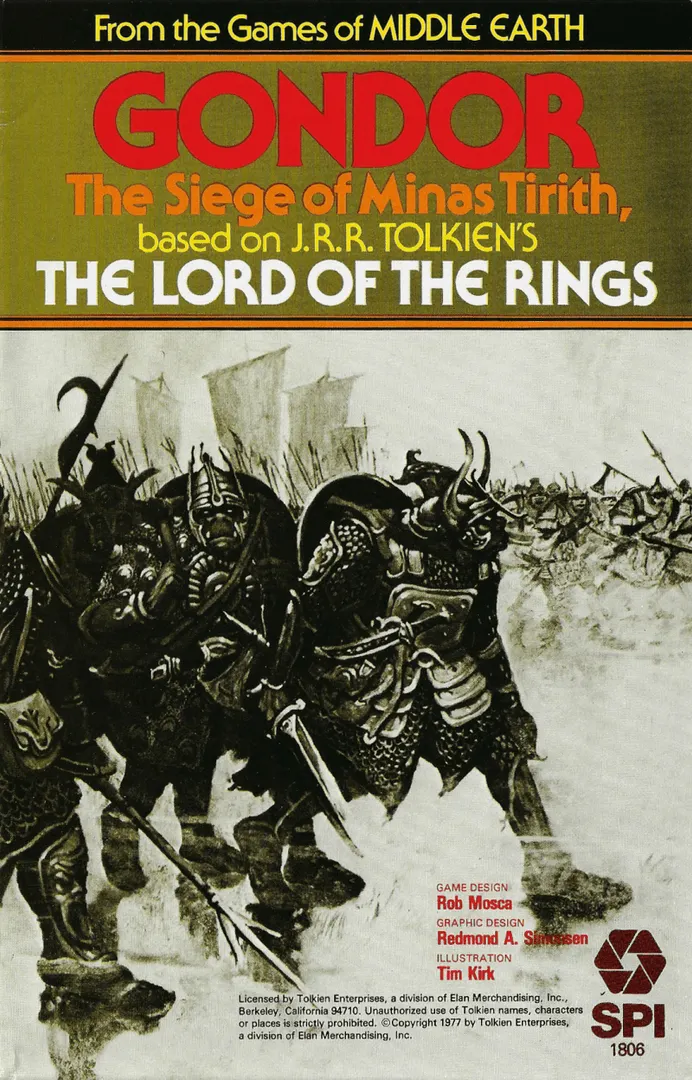
Gondor: The Siege of Minas Tirith
- 2 graczy
- 120–240 min
- Złożoność 2,6/5
- 1977
1995
Pomoc w zasadach gry Thirty Years War Quad (Second Edition)
Zrozumiałe wyjaśnienia tur, efektów kart i spornych sytuacji z odnośnikami do oficjalnych źródeł i zapisaną historią pytań.
Dla 1 gracza
Co chcesz wiedzieć?
Odpowiedzi pochodzą z oficjalnej instrukcji, ze stroną do sprawdzenia.
Thirty Years War Quad (Second Edition) to gra planszowa wydana w 1995 roku dla 1–2 graczy, z rozgrywką trwającą 180 minut i dla osób od 12 lat. Projekt gry: Joseph Miranda, Brad Hessel, Tom Walczyk i Linda Mosca. Główne mechaniki: Dice Rolling, Hexagon Grid i Simulation.


Po angielsku
The Thirty Years War Quad consists of four battles, each with its own map, counters and Exclusive Rules. The Standard Rules are common to all four battles. This is an update of the SPI 1st edition back in 1976, with White Mountain as a substitute of Freiburg. The Quad contains 4 games: Lutzen; Nordlingen; Rocroi; White Mountain. Lützen: Intent on wintering in Saxony, Count Von Wallenstien failed to reckon on Gustavus' resolve and was caught with a quarter of his Imperialist Army dispersed. It was a smashing victory for the Swedes--but Gustavus did not survive the battle. Nördlingen: The armies of Spain and the Holy Roman Empire combined to lay siege to Nordlingen, an important city near the Danube. Rocroi: Determined to knock France out of the war, Spain undertook an invasion of French soil, laying siege to Rocroi, a fortress not far inside French territory. White Mountain: The decisive battle of the Bohemian Phase of the Thirty Years War in which the Catholic League Army, under the command of Maximilian of Bavarian and Count Tilly, defeated the Bohemians outside the city of Prague on November 9, 1620.
Według katalogu Thirty Years War Quad (Second Edition) obsługuje od 1 do 2 graczy. Ten zakres odpowiada liczbie graczy podanej przez wydawcę, więc grę można przygotować dla dowolnej grupy w jego granicach. Przygotowanie, niektóre zasady i punktacja mogą jednak różnić się w zależności od liczby graczy; dokładną konfigurację sprawdź w instrukcji swojego wydania.
Podany czas rozgrywki w Thirty Years War Quad (Second Edition) wynosi 180 minut. To szacunek wydawcy dla pełnej partii. Rzeczywisty czas zależy od grupy, liczby graczy i znajomości zasad: pierwsze partie zwykle trwają dłużej, a doświadczone grupy kończą szybciej. Przygotowanie gry i tłumaczenie zasad nie są wliczone w ten szacunek.
Katalog podaje dla Thirty Years War Quad (Second Edition) wiek od 12 lat. To zalecenie wydawcy, które uwzględnia wymagania dotyczące czytania, złożoność zasad i drobne elementy, a nie tylko tematykę. Młodsi gracze często mogą dołączyć z pomocą dorosłego; sprawdź zalecenie wiekowe swojego wydania i weź pod uwagę doświadczenie grupy z grami planszowymi.
Thirty Years War Quad (Second Edition) ma ocenę złożoności 2,4 na 5 według graczy BoardGameGeek, co czyni ją grą raczej lekką. Ocena pokazuje, ile znajomości zasad, planowania i podejmowania decyzji wymaga typowa rozgrywka. Cięższe gry wymagają dłuższego pierwszego tłumaczenia, dlatego przed wieczorem z grami warto skorzystać z przewodnika przygotowania.
Thirty Years War Quad (Second Edition) należy do tych kategorii: Wargame i Pike and Shot. Główne mechaniki to Dice Rolling, Hexagon Grid i Simulation. Kategorie opisują temat i świat gry, a mechaniki to, co gracze faktycznie robią w swojej turze. Każda mechanika prowadzi do strony katalogu z podobnymi grami, co pomaga znaleźć coś porównywalnego na kolejny wieczór.
Autorzy wymienieni przy Thirty Years War Quad (Second Edition) to: Joseph Miranda, Brad Hessel, Tom Walczyk i Linda Mosca. Te informacje pochodzą z opublikowanych danych gry i wskazują osoby odpowiedzialne za jej projekt, a nie ilustratorów czy wydawców. Strony autorów w MeepleRules zbierają inne tytuły tych samych twórców, co pomaga, gdy gra ci się podoba i szukasz podobnych.
W katalogu Thirty Years War Quad (Second Edition) figuruje jako gra podstawowa. Można w nią grać samodzielnie, korzystając z elementów z pudełka, bez żadnego innego tytułu. Dodatki, jeśli istnieją, dokładają nową zawartość lub zasady i są wymienione w katalogu osobno, z odnośnikiem do tej gry podstawowej.