
- Место в рейтинге BGG
- BGG #11 493
- Оценка BGG
- 6,6
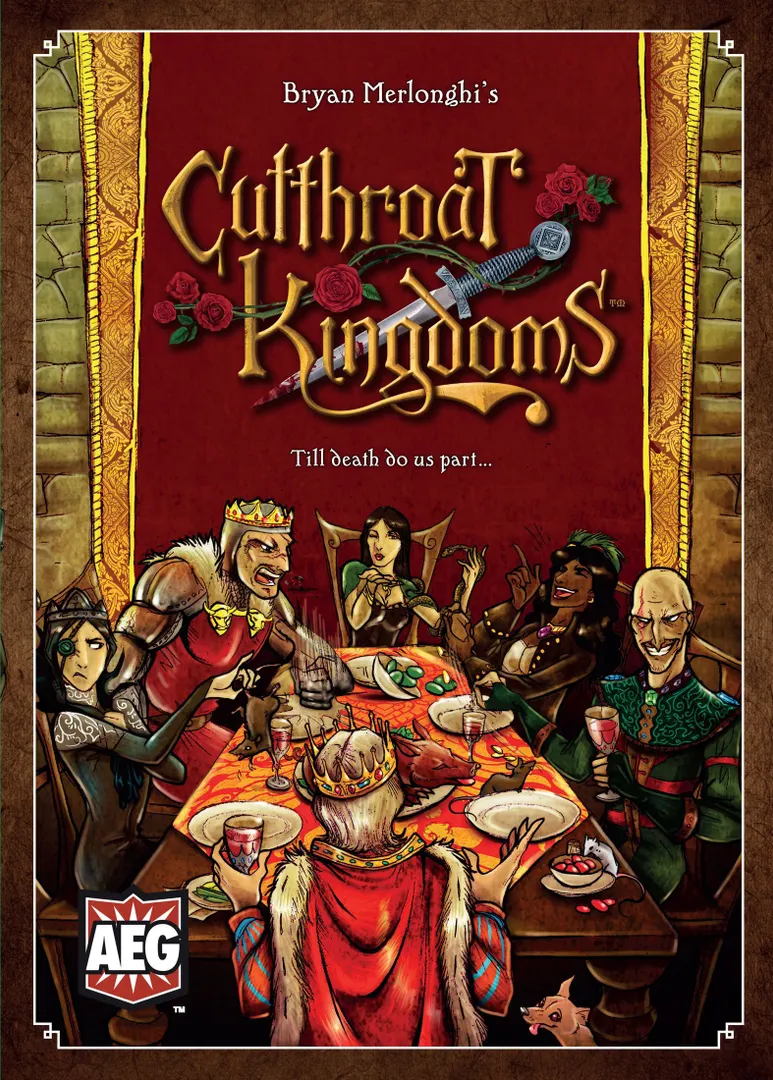
Cutthroat Kingdoms
- 3–6 игроков
- 90–150 мин
- Сложность 2,7/5
- 2017
2006
Помощник по правилам Graenaland
Понятные объяснения ходов, эффектов карт и спорных ситуаций со ссылками на официальные источники и сохранённой историей вопросов.
Для 3 игроков
Что хотите уточнить?
Отвечаю по официальным правилам и показываю страницу для проверки.
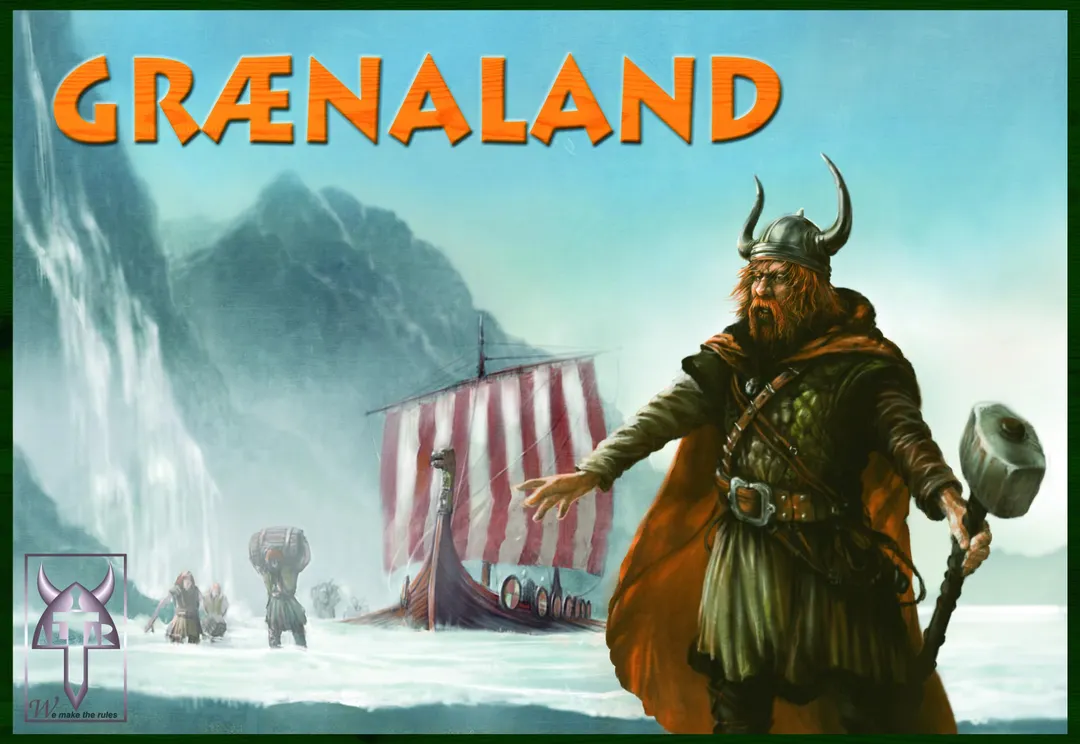
«Graenaland» — настольная игра 2006 года: для 3–5 игроков, 90 минут на партию и возраст от 12 лет. Авторы игры — Vlaada Chvátil; основные механики — Modular Board, Team-Based Game и Voting.


На английском
In 982, a Viking jarl called Erik the Red sailed from the western coast of Iceland and discovered a new land. He named it Graenaland, a green land. Four years later the first colonists arrived to Greanaland and founded settlements that lasted more than four centuries. Take the role of one of the jarls leading their clans to the new home. You have to settle the coast and to agree with your neighbors on how to distribute the spare resources the land is giving away. As Eric wants no fights amongst Vikings, any conflicts are solving by voting. You could improve your position in order to gain more votes; however, you can also try to be righteous and to keep good relations with all your neighbors. Cooperating with them, you can fertilize and improve the land easier than when struggling for influence; just keep your position strong enough for the case something goes wrong. At first glance, it might remind you just another settler-like game – there are tiles of different terrains, there are villages and other buildings built on the tiles, and there are resources produced to build more of them. However, Graenaland uses these elements by very unusual way, and offers brand new player interaction. The main difference is that villages produce no resources; the tile produces them. They remain placed next to the tile, until players agree how to distribute them. Every village on the tile gives one vote to its owner, as well as the traveling heroes just visiting the tile – and you need more than half of the votes total for your proposal how to distribute the resources. A tile produces only one resource per turn, no matter how many villages of how many players is built on it. Building more villages on the same tile strengthens your position here; however, if another player does the same, you both are spending lots of efforts and resources struggling for still the one resource card. May be it would be wise to live in peace instead. If you are able to come to an agreement, you can take turns taking the resource. You can vote together in the case an intruder appears. You can build some improvements on the tile together, increasing its resource production. You can spread your villages to other tiles and let your hero travel where it is more needed, rather than struggling for influence on this tile. If you trust each other, you can work much more efficiently. However: does your neighbor deserve your trust? What if he returns with his hero unexpectedly, and confiscates the whole harvest of several turns? What if he builds another village here instead of the improvement he promised? And especially – what would you do if you get such an opportunity yourself? The game mechanics – simultaneous movement of heroes, small anomalies in player roles (one player has special role every turn), and decent randomness and uncertainty in resource harvesting (each terrain produces resources of more types, with different probabilities) lead to enough interesting asymmetric situations, and it is up to you whether you take any advantage you have, or whether you try to appear fair and righteous to the others instead. As the others take it in to account when searching for partners for their deals.
По данным каталога, «Graenaland» рассчитана на 3–5 игроков. Этот диапазон соответствует числу игроков, указанному издателем, поэтому игру можно подготовить для любого состава в его пределах. Подготовка, отдельные правила и подсчёт очков всё же могут зависеть от числа игроков; точную конфигурацию проверьте в правилах своего издания.
В каталоге для «Graenaland» указано время партии 90 минут — это оценка издателя для полной партии. Фактическая длительность зависит от состава, числа игроков и знакомства с правилами: первые партии обычно идут дольше, опытные компании заканчивают быстрее. Подготовка и объяснение правил в эту оценку не входят.
В каталоге для «Graenaland» указан возраст от 12 лет. Это рекомендация издателя: она учитывает необходимость чтения, сложность правил и мелкие компоненты, а не только тему. Младшие игроки часто могут участвовать с помощью взрослого; проверьте возрастную рекомендацию на своём издании и учтите опыт вашей компании в настольных играх.
Сложность «Graenaland» — 3,0 из 5 по оценкам игроков BoardGameGeek, это игра средней сложности. Оценка отражает, сколько знания правил, планирования и решений требует типичная партия. Сложные игры дольше объяснять в первый раз, поэтому перед игровым вечером пригодится руководство по подготовке.
Категории игры «Graenaland»: Medieval и Civilization. Основные механики: Modular Board, Team-Based Game и Voting. Категории описывают тему и сеттинг игры, а механики — то, что игроки на самом деле делают в свой ход. Каждая механика ведёт в раздел каталога с похожими играми, и так проще найти что-то подобное для следующей партии.
В каталоге авторами «Graenaland» указаны: Vlaada Chvátil. Эти данные взяты из опубликованной информации об игре и называют людей, ответственных за её дизайн, а не иллюстраторов или издателей. Страницы авторов на MeepleRules собирают другие игры тех же авторов — это удобно, когда игра понравилась и хочется найти похожие.
В каталоге «Graenaland» отмечена как самостоятельная игра. В неё можно играть отдельно, используя компоненты из коробки, и никакая другая игра для этого не нужна. Дополнения, если они существуют, добавляют новый контент или правила и указаны в каталоге отдельно со ссылкой на эту базовую игру.