
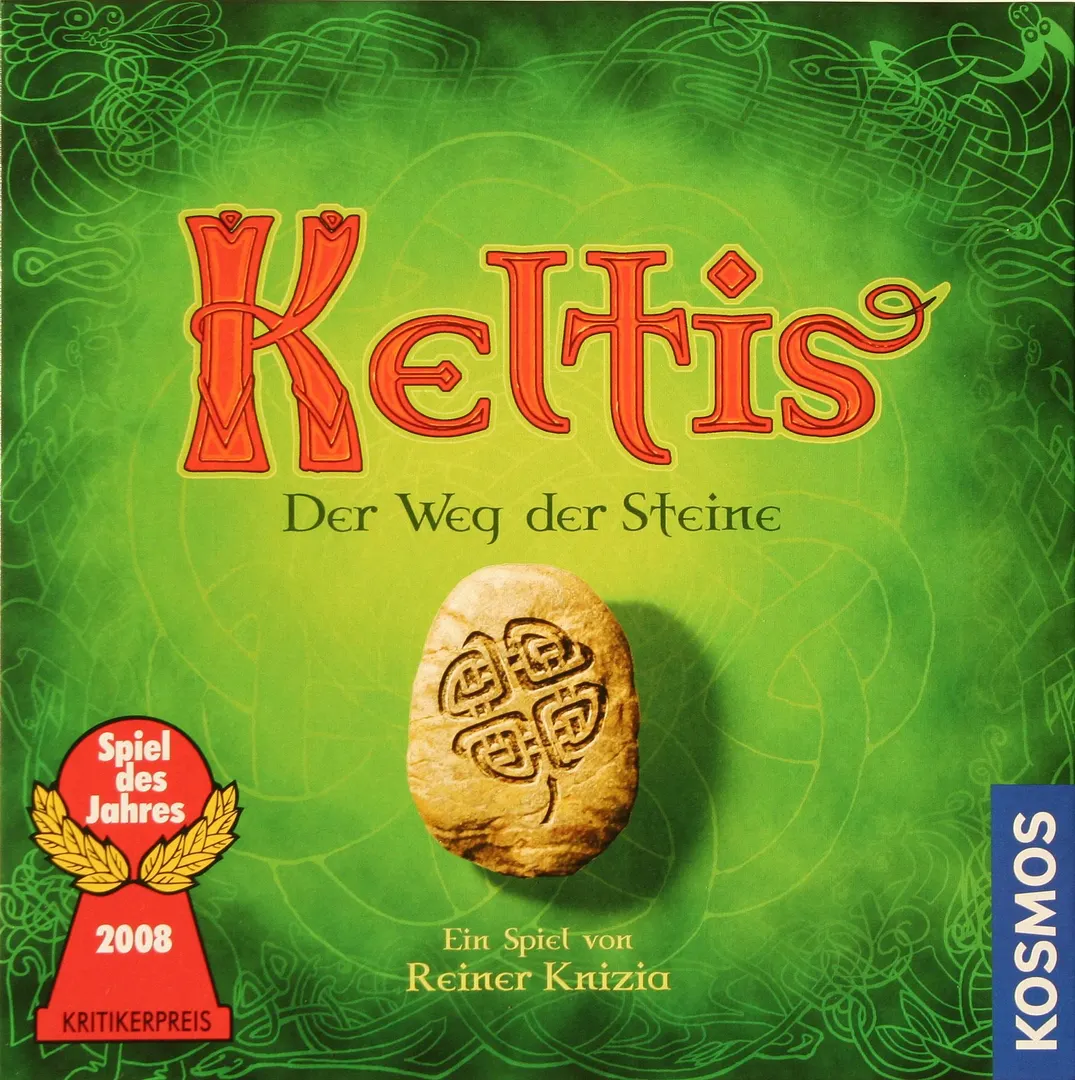
- Место в рейтинге BGG
- BGG #2 362
- Оценка BGG
- 6,4
Keltis
- 2–4 игрока
- 30 мин
- Сложность 1,6/5
- 2008
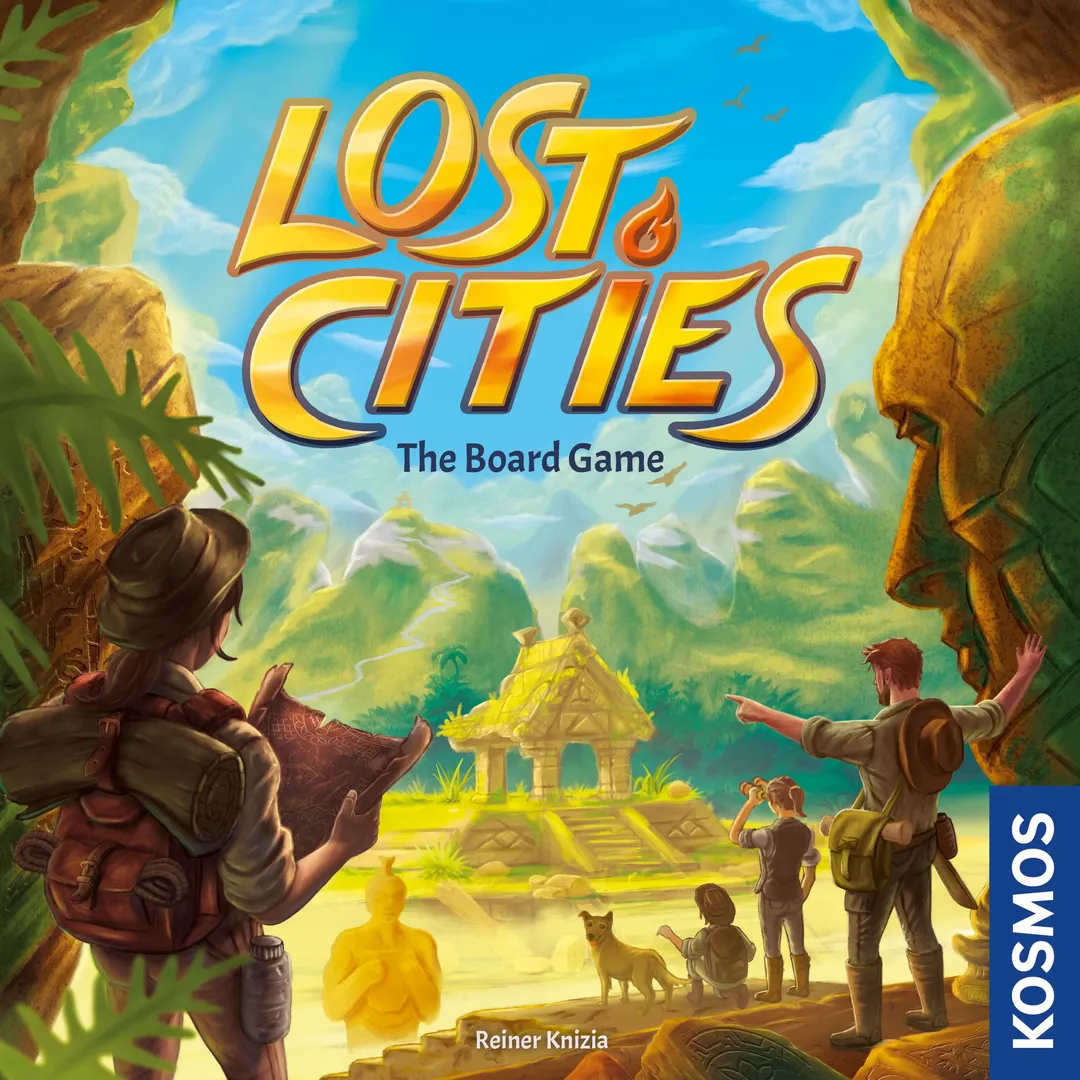
2008
Помощник по правилам Lost Cities: The Board Game
Понятные объяснения ходов, эффектов карт и спорных ситуаций со ссылками на официальные источники и сохранённой историей вопросов.
Для 2 игроков
Что хотите уточнить?
Отвечаю по официальным правилам и показываю страницу для проверки.
«Lost Cities: The Board Game» — настольная игра 2008 года: для 2–4 игроков, 30–60 минут на партию и возраст от 8 лет. Авторы игры — Reiner Knizia; основные механики — Hand Management, Set Collection и Track Movement.

На английском
Redevelopment of Lost Cities, first published with altered rules as Keltis, and then published by Rio Grande as Lost Cities: The Board Game with Knizia's original rules and theme. Reiner Knizia: "The original version that we developed is exactly what Jay [Tummelson, owner of Rio Grande Games] has now published [LCBG]" Primary differences between Lost Cities: The Board Game and Keltis: 1. In LCBG you play 3 rounds, scoring at the end of all 3 for the monuments you collect. (Normal scoring occurs each round.) In Keltis, you only play 1 round, and score everything each round. This is not just a rule difference, as the scoring is different for the monuments/stones based on the number collected. 2. In Keltis, you may play your cards in either order, descending, high to low, or ascending, low to high. In LCBG, you must play in ascending order. Note: the rules for LCBG have the Keltis rules as variants, and have the board elements necessary for #1 above. Keltis does not have the rules nor board elements to play LCBG. Kosmos (Keltis publisher) changed the card play to ascending and descending order to lower the luck level and add balance to the game. Kosmos changed the theme to fit in with other Kosmos abstract game series. There are more differences, which are non-substantive. Lost Cities: The Board Game has a different-looking board, tiles and figures (meeples) to connect with its predecessor. Card-play in descending order is an optional variant in this edition. The numbers have been multiplied by 5 to strengthen the relation to the card game, and instead of a scoring track you collect your points as golden coins. From the Keltis entry: Players play cards to move their playing pieces along stone paths. There are cards with 5 different colors/symbols, each corresponding to one path; in addition, each card shows a number (0-10, twice each). In each color, each player can play his cards either ascending or descending. Like Lost Cities, it's better to concentrate on a few paths, since the last spaces grants high points, but ending early gives negative ones. The player in turn plays one card (out of a hand of 8), or discards one. He moves the corresponding playing piece on the path. Many of the spaces have a token that grants some bonus - either direct points (counted on the scoring track), an extra move on a path, or wish stones that are needed at game end to avoid negative points. The game ends when a total of 5 playing pieces have reached the 7th space (or more) on their paths. Now, scoring happens: Pieces which only moved 1-3 steps give negative points (-4, -3, -2). Pieces with 4+ steps grant points (1, 2, 3, 6, 7, 10). One piece of each player is higher and scores double. Fewer than two wish stones grants negative points (-3 / -4) 5+ wish stones yield a bonus of 10 points. All this is added to the points scored during the game
По данным каталога, «Lost Cities: The Board Game» рассчитана на 2–4 игроков. Этот диапазон соответствует числу игроков, указанному издателем, поэтому игру можно подготовить для любого состава в его пределах. Подготовка, отдельные правила и подсчёт очков всё же могут зависеть от числа игроков; точную конфигурацию проверьте в правилах своего издания.
В каталоге для «Lost Cities: The Board Game» указано время партии 30–60 минут — это оценка издателя для полной партии. Фактическая длительность зависит от состава, числа игроков и знакомства с правилами: первые партии обычно идут дольше, опытные компании заканчивают быстрее. Подготовка и объяснение правил в эту оценку не входят.
В каталоге для «Lost Cities: The Board Game» указан возраст от 8 лет. Это рекомендация издателя: она учитывает необходимость чтения, сложность правил и мелкие компоненты, а не только тему. Младшие игроки часто могут участвовать с помощью взрослого; проверьте возрастную рекомендацию на своём издании и учтите опыт вашей компании в настольных играх.
Сложность «Lost Cities: The Board Game» — 1,7 из 5 по оценкам игроков BoardGameGeek, это лёгкая игра. Оценка отражает, сколько знания правил, планирования и решений требует типичная партия. Сложные игры дольше объяснять в первый раз, поэтому перед игровым вечером пригодится руководство по подготовке.
Категории игры «Lost Cities: The Board Game»: Exploration и Adventure. Основные механики: Hand Management, Set Collection и Track Movement. Категории описывают тему и сеттинг игры, а механики — то, что игроки на самом деле делают в свой ход. Каждая механика ведёт в раздел каталога с похожими играми, и так проще найти что-то подобное для следующей партии.
В каталоге авторами «Lost Cities: The Board Game» указаны: Reiner Knizia. Эти данные взяты из опубликованной информации об игре и называют людей, ответственных за её дизайн, а не иллюстраторов или издателей. Страницы авторов на MeepleRules собирают другие игры тех же авторов — это удобно, когда игра понравилась и хочется найти похожие.
В каталоге «Lost Cities: The Board Game» отмечена как самостоятельная игра. В неё можно играть отдельно, используя компоненты из коробки, и никакая другая игра для этого не нужна. Дополнения, если они существуют, добавляют новый контент или правила и указаны в каталоге отдельно со ссылкой на эту базовую игру.