
- Место в рейтинге BGG
- BGG #107
- Оценка BGG
- 7,8
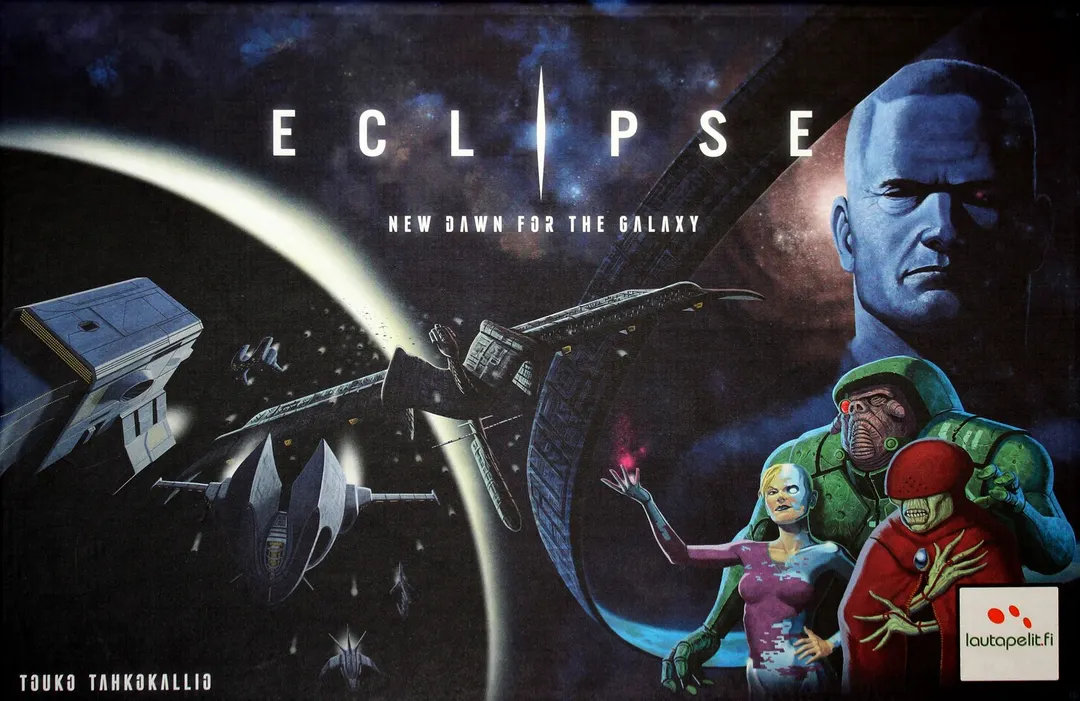
Eclipse: New Dawn for the Galaxy
- 2–6 игроков
- 60–180 мин
- Сложность 3,7/5
- 2011
2013
Помощник по правилам Mauna Kea
Понятные объяснения ходов, эффектов карт и спорных ситуаций со ссылками на официальные источники и сохранённой историей вопросов.
Для 2 игроков
Что хотите уточнить?
Отвечаю по официальным правилам и показываю страницу для проверки.
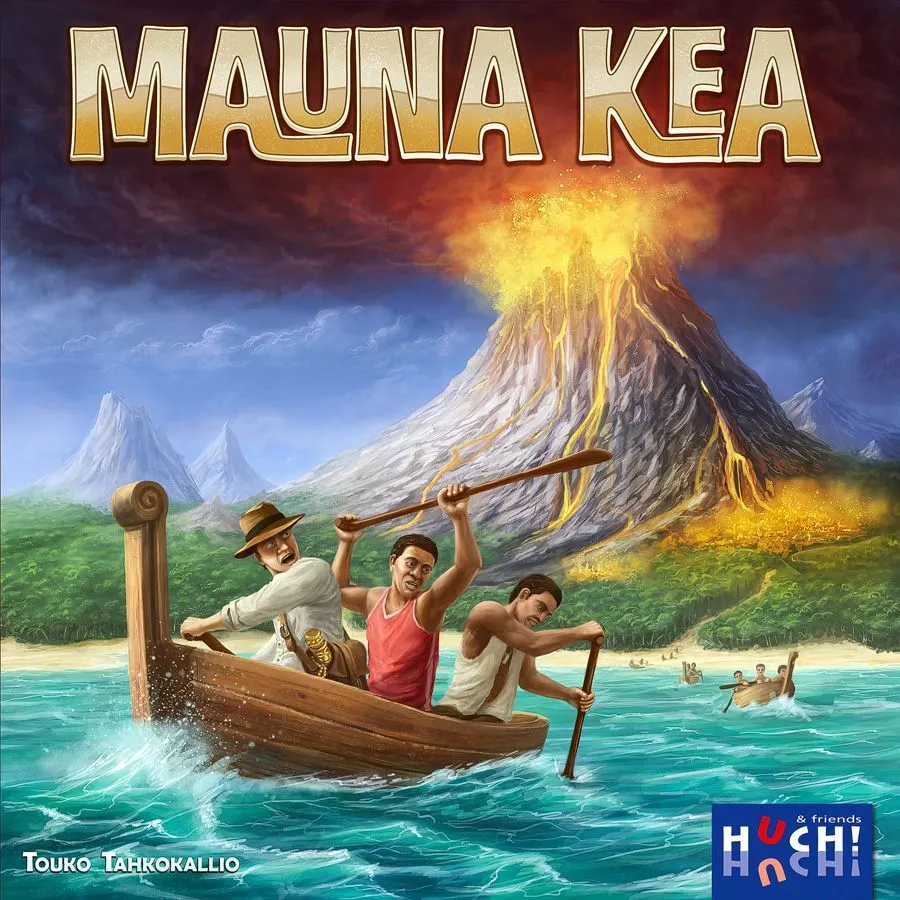
«Mauna Kea» — настольная игра 2013 года: для 2–4 игроков, 45 минут на партию и возраст от 10 лет. Авторы игры — Touko Tahkokallio; основные механики — Hand Management, Tile Placement и Grid Movement.
На английском
Help! Lava is coming!! In Mauna Kea, you're exploring a previously unknown volcanic island in the South Pacific with your research team when suddenly there's a terrible roar: The volcano has come to life! Now, you must find as many artifacts as possible and bring them, along with your researchers, to the rescue boats at the coast. If you plan your ways cleverly and have a little bit of luck, you'll survive the volcanic eruption as the rescuing hero! Each player starts the game with a team of 3-5 researchers (depending on the number of players) and a set of randomly selected terrain tiles that collectively have at least five movement points; the more jungle spaces on a tile, the more movement points it provides. On a player's turn, he must play all of his tiles in any order he wants, either placing them on the game board to expand the terrain on which players can move or spending the movement points to move his researchers to orthogonally adjacent spaces (1 point to enter jungle, 2 points to enter water, 16,000 points to enter mountain — actually, you can't enter a mountain space). If his researcher enters a space with an artifact, he then drags that artifact with him as he moves. If his researcher reaches a boat, he fills as many seats as possible with artifacts, then hits the water. Sorry, chumps! At the end of his turn, he draws new tiles — and if he pulls a lava tile from the bag, he places it on the board immediately. Lava flows away from the central cone, with each tile indicating the side of the volcano from which it flows. If lava hits established terrain, it covers that terrain; if it hits researchers and artifacts, it covers them, too. Players continue taking turns until someone has no researchers left on the island, whether due to them leaving the island or donning a lava blanket. Everyone else takes one final turn, then players score, collecting 3 points per saved researcher, 1-3 points for each artifact, and -1 point for each empty space on the boats they used. The player with the highest score wins. In the advanced game, players don't return tiles to the bag when they use them for movement points. Instead they start the game with four action or task cards in hand. They can play as many action cards as they wish on a turn to help their researchers cross mountains, swim faster, or helicopter to safety, but they have only four for the entire game. The game now ends when a player has no researchers or no tile remain in the bag. In addition to their other points, players now score for completed task cards, earning points for specific combinations of artifacts or for taking a certain boat. Again, the player with the highest score wins.
По данным каталога, «Mauna Kea» рассчитана на 2–4 игроков. Этот диапазон соответствует числу игроков, указанному издателем, поэтому игру можно подготовить для любого состава в его пределах. Подготовка, отдельные правила и подсчёт очков всё же могут зависеть от числа игроков; точную конфигурацию проверьте в правилах своего издания.
В каталоге для «Mauna Kea» указано время партии 45 минут — это оценка издателя для полной партии. Фактическая длительность зависит от состава, числа игроков и знакомства с правилами: первые партии обычно идут дольше, опытные компании заканчивают быстрее. Подготовка и объяснение правил в эту оценку не входят.
В каталоге для «Mauna Kea» указан возраст от 10 лет. Это рекомендация издателя: она учитывает необходимость чтения, сложность правил и мелкие компоненты, а не только тему. Младшие игроки часто могут участвовать с помощью взрослого; проверьте возрастную рекомендацию на своём издании и учтите опыт вашей компании в настольных играх.
Сложность «Mauna Kea» — 1,6 из 5 по оценкам игроков BoardGameGeek, это лёгкая игра. Оценка отражает, сколько знания правил, планирования и решений требует типичная партия. Сложные игры дольше объяснять в первый раз, поэтому перед игровым вечером пригодится руководство по подготовке.
Категории игры «Mauna Kea»: Adventure. Основные механики: Hand Management, Tile Placement и Grid Movement. Категории описывают тему и сеттинг игры, а механики — то, что игроки на самом деле делают в свой ход. Каждая механика ведёт в раздел каталога с похожими играми, и так проще найти что-то подобное для следующей партии.
В каталоге авторами «Mauna Kea» указаны: Touko Tahkokallio. Эти данные взяты из опубликованной информации об игре и называют людей, ответственных за её дизайн, а не иллюстраторов или издателей. Страницы авторов на MeepleRules собирают другие игры тех же авторов — это удобно, когда игра понравилась и хочется найти похожие.
В каталоге «Mauna Kea» отмечена как самостоятельная игра. В неё можно играть отдельно, используя компоненты из коробки, и никакая другая игра для этого не нужна. Дополнения, если они существуют, добавляют новый контент или правила и указаны в каталоге отдельно со ссылкой на эту базовую игру.