- Місце в рейтингу BGG
- BGG #3 219
- Оцінка BGG
- 7,7
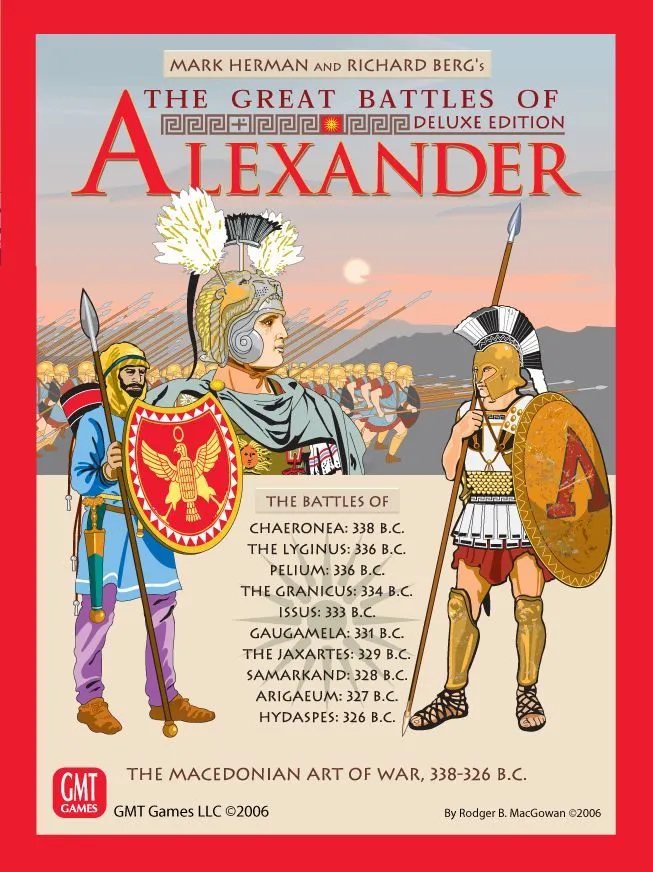
The Great Battles of Alexander: Deluxe Edition
- 1–4 гравці
- 240 хв
- Складність 3,6/5
- 1995

1996
Допомога з правилами Samurai: Warfare in 16th Century Japan
Зрозумілі пояснення ходів, ефектів карт і спірних ситуацій із посиланнями на офіційні джерела та збереженою історією запитань.
Для 2 гравців
Що ви хочете дізнатися?
Відповіді ґрунтуються на офіційній книзі правил із зазначенням сторінки для перевірки.
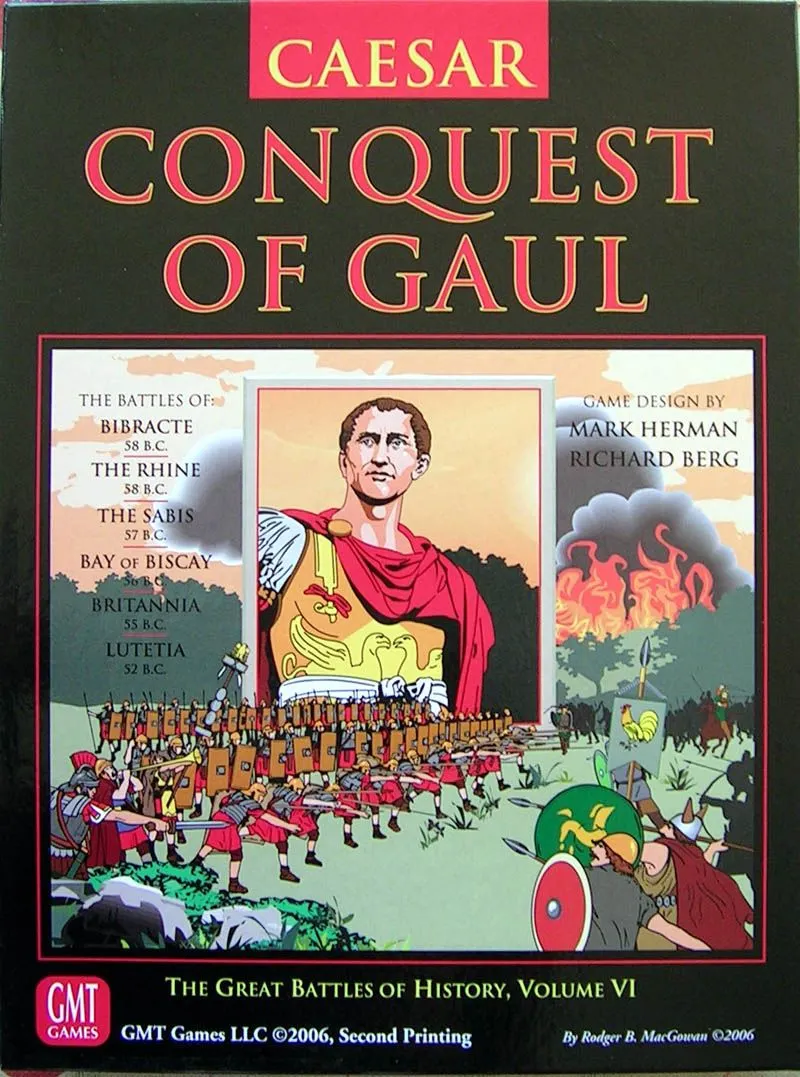
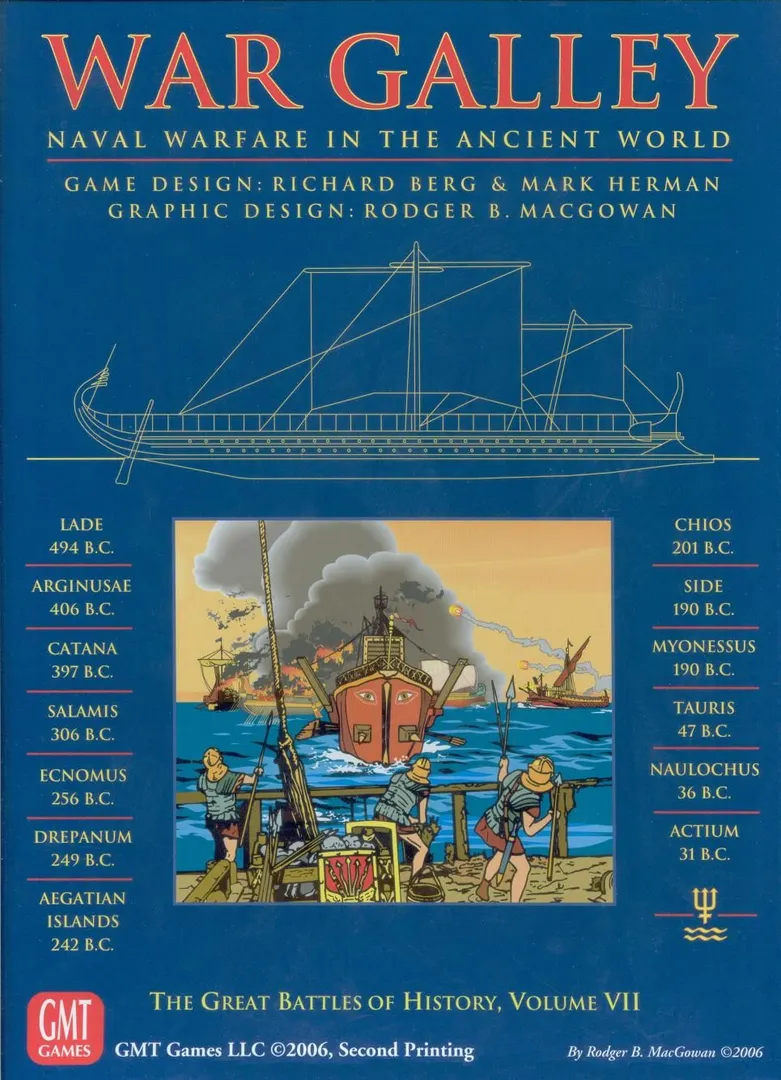
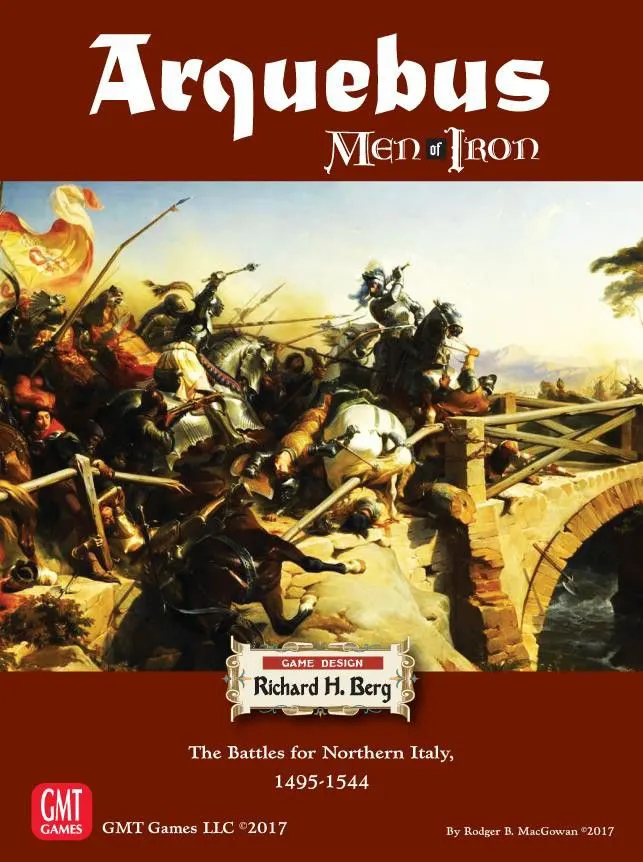
«Samurai: Warfare in 16th Century Japan» — настільна гра, видана у 1996 році: для 2 гравців, 180 хвилин на партію і вік від 12 років. Автори гри — Richard H. Berg і Mark Herman; основні механіки — Dice Rolling, Grid Movement і Hexagon Grid.






Англійською
(from GMT website:) Samurai is the fifth entry in the award-winning Great Battles of History series and is easily the most exotic and visually stunning. Samurai covers all the major battles of the Sengoku Jidai (the Age of Warring Daimyos). Japan was truly a country at war. Because of the nature of 16th century Japanese warfare, it is also the easiest game in the series to play. The revamped command system simulates the clan-oriented levels of leadership, plus simplified shock and fire mechanics. Also included are individual samurai used to challenge opponents and collect the important severed heads. Ignore the challenge and lose face, or even be forced to commit seppuku on the spot. Battles include the most unusual Okehazama, complete with burning castles, thunderstorms, and a historically victorious army out-numbered six to one; Anegawa; Kawanakajima; Mikata-ga-Hara; Nagashino, with the famous Takeda cavalry corps charging Oda's volley-firing musketeers; and the most famous battle to take place in Japan, Sekigahara. All the great leaders are there: Obu Nobunaga, Takeda Shingen, Uesugi Kenshin, and of course, Tokugawa Ieyasu. The Anegawa 1570 - Nobunaga takes the offensive against his treacherous brother-in-law, Nagamasa. His objective is Nagamasa's castle of Odani. Sekigahara 1600 - The most decisive battle in the history of Japan. The rivals were I. Mitsunari and T. Ieyasu ... one would be Shogun. Kawanakajima 1561 - Uesugi Kenshin was determined to destroy Shingen once and for all. His objective was Shingen's Kaizu Castle. Okehazama 1560 - One of Oda Nobunaga's finest victories, won by a small force against one much larger, at odds of about six to one! Nagashino 1575 - The culmination of Oda Nobunaga's brilliant military career and a milestone in Japanese history. Mikata-ga-hara 1572 - Takeda Shingen is pitted against the young Tokugawa Ieyasu in a furious battle. TIME SCALE: 20 minutes per turn MAP SCALE: 100 yards per hex UNIT SCALE: 100 men per strength point; individual leaders and samurai NUMBER OF PLAYERS: One to four DESIGNERS: Mark Herman and Richard Berg ART DIRECTOR/PACKAGE DESIGN: Rodger B. MacGowan MAP ART: Mark Simonitch, Joe Youst (1996), Leland Myrick (2007) COUNTER ART: Mark Simonitch, Rodger B. MacGowan, Mike Lemick GAME RESEARCH: Masahiro Yamazaki
Кількість гравців для Samurai: Warfare in 16th Century Japan за даними каталогу: 2 гравці. Це кількість, яку вказує видавець, тож гра розрахована саме на стільки учасників. Варіанти для іншої кількості гравців, якщо вони є, описано в правилах вашого видання. Перевірте їх, перш ніж готувати гру для іншого складу.
Зазначена тривалість партії в Samurai: Warfare in 16th Century Japan — 180 хвилин. Це оцінка видавця для повної партії. Фактична тривалість залежить від компанії, кількості гравців і знання правил: перші партії зазвичай довші, а досвідчені гравці часто завершують швидше. Час на підготовку та пояснення правил у цю оцінку не входить.
У каталозі для Samurai: Warfare in 16th Century Japan зазначено вік від 12 років. Це рекомендація видавця, яка враховує необхідність читати, складність правил і дрібні компоненти, а не лише тематику. Молодші гравці часто можуть долучитися за допомогою дорослого, тому перевірте вікову рекомендацію на своєму виданні та врахуйте досвід вашої компанії в настільних іграх.
Гравці BoardGameGeek оцінили складність Samurai: Warfare in 16th Century Japan у 3,4 із 5, тож це гра середньої складності. Оцінка відображає, скільки знань правил, планування та обмірковування рішень зазвичай потребує партія. Для складніших ігор закладайте більше часу на перше пояснення та скористайтеся посібником із підготовки перед ігровим вечором.
Samurai: Warfare in 16th Century Japan належить до таких категорій: Wargame, Medieval і Renaissance. Основні механіки: Dice Rolling, Grid Movement і Hexagon Grid. Категорії описують тематику та світ гри, а механіки — те, що гравці роблять під час своїх ходів. Кожна механіка веде до добірки схожих ігор у каталозі, щоб було легше знайти щось подібне.
Автори гри Samurai: Warfare in 16th Century Japan: Richard H. Berg і Mark Herman. Ці відомості взято з опублікованих даних про гру. Тут зазначено людей, які розробили гру, а не її ілюстраторів чи видавців. На сторінках авторів у MeepleRules зібрано інші їхні ігри — це допомагає знайти щось подібне до гри, яка вам сподобалася.
У каталозі Samurai: Warfare in 16th Century Japan зазначена як базова гра. У неї можна грати самостійно, використовуючи компоненти з коробки, без інших ігор. Доповнення, якщо вони є, додають нові матеріали або правила. Їх наведено в каталозі окремо з посиланням на цю базову гру.

