
- BGG-Rang
- BGG #7.701
- BGG-Bewertung
- 6,8
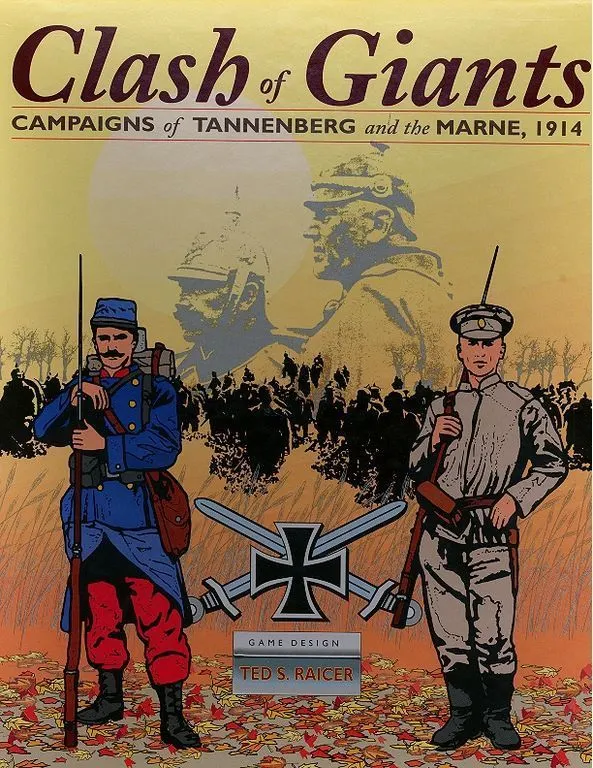
Clash of Giants: Campaigns of Tannenberg and the Marne, 1914
- 1–2 Spieler
- 180 Min.
- Komplexität 2,3/5
- 2001
2020
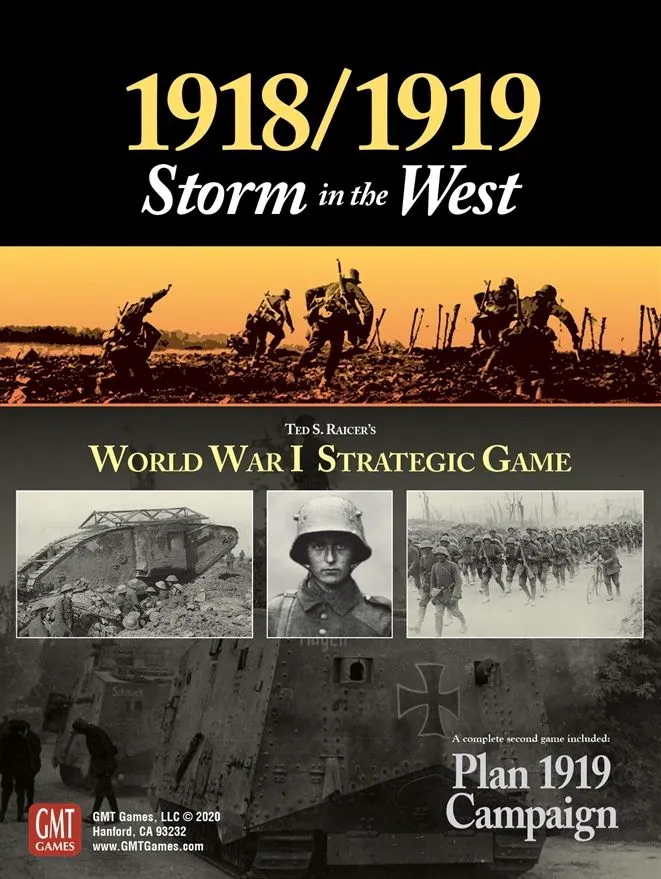
Regelhilfe für 1918/1919: Storm in the West
Verständliche Erklärungen zu Spielzügen, Karteneffekten und strittigen Situationen mit Verweisen auf offizielle Quellen und gespeichertem Fragenverlauf.
Für 2 Personen
Was möchtest du wissen?
Antworten stammen aus dem offiziellen Regelheft, mit Seitenangabe zum Nachprüfen.
1918/1919: Storm in the West ist ein Brettspiel aus dem Jahr 2020 für 2 Personen, mit 240 Minuten pro Partie und ab 12 Jahren. Entwickelt wurde es von Ted Raicer; die wichtigsten Mechaniken sind Dice Rolling und Hexagon Grid.


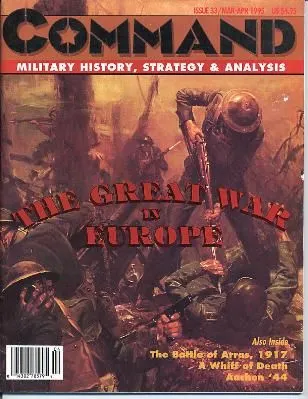
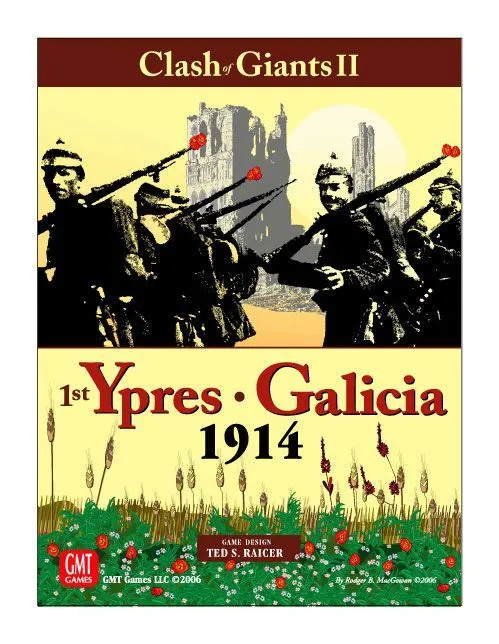

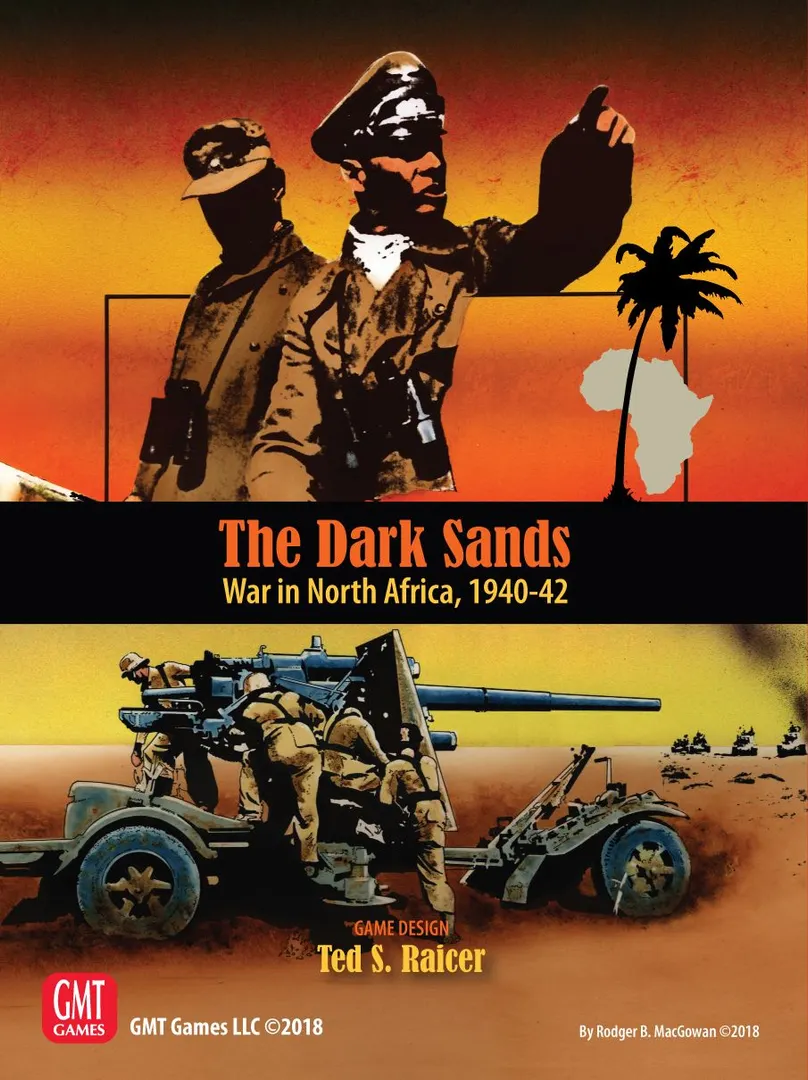
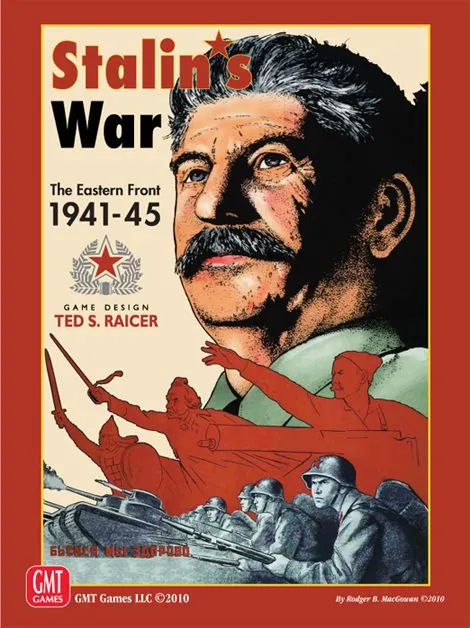
Auf Englisch
This new GMT boxed version of 1918/1919: Storm in the West is a two-player system that also works fine for solo play. Units are mostly corps (divisions for the USA, whose oversized units were nearly the size of Allied corps), and include infantry, tanks, cavalry and air support. The Germans start the 1918 campaign with large numbers of Stosstruppen, trained to overcome the trench stalemate of the previous three years. This gives the German player a strong offensive capability in the first half of the game. But these “shock troops” are a wasting asset, and if the Allies survive the initial blows, growing numbers of US troops and Allied tanks will see the Germans forced into a desperate defense in the game's second half. In the Plan 1919 campaign, the Germans are assumed to have used the collapse of Russia to stabilize the Balkan and Italian fronts, forgoing the historical 1918 Kaiser's Battles in the West. The Allies are thus faced with a strong German defense, but with a fully mobilized American army and backed by masses of tanks and planes. This hypothetical campaign challenges the Allies to leverage these arms into the world's first blitzkrieg, while the Germans fight to force a stalemate that will leave them dominant in Europe. The large-hex map, scaled at 8 miles to the hex, covers the active area of the Western Front, from Epinal in the south to Antwerp and the Channel Coast in the north. Terrain includes Forts, Allied trenches, German Secondary and Primary Trenches, Forts, Forest, Marsh, Flood Plain, Mountain, and the Devastated Zone created by the German withdrawal in the Somme sector in 1917. The map is back-printed with separate versions for the 1918 and 1919 Campaigns. Simple but not simplistic, this new GMT version of 1918/1919: Storm in the West can be played in a single session and offers players a wide range of strategic and operational choices in bloody but dynamic campaigns to decide the outcome of the First World War. With updated artwork by Mark Simonitch and Charlie Kibler, this new combined edition is a must for lovers of classic wargaming. —description from the publisher
Laut Katalog unterstützt 1918/1919: Storm in the West 2 Personen. Das ist die vom Verlag angegebene Spielerzahl, das Spiel ist also genau für diese Anzahl von Mitspielenden ausgelegt. Varianten für andere Gruppengrößen sind, sofern vorhanden, in der Anleitung deiner Ausgabe beschrieben; prüfe sie, bevor du eine andere Konfiguration aufbaust.
Die angegebene Spieldauer für 1918/1919: Storm in the West beträgt 240 Minuten. Das ist die Schätzung des Verlags für eine vollständige Partie. Die tatsächliche Dauer hängt von der Gruppe, der Personenzahl und der Regelkenntnis ab: Erste Partien dauern meist länger, erfahrene Gruppen sind oft schneller fertig. Aufbau und Regelerklärung sind in dieser Schätzung nicht enthalten.
Im Katalog wird 1918/1919: Storm in the West ab 12 Jahren empfohlen. Das ist die Empfehlung des Verlags und berücksichtigt Leseanforderungen, Regelkomplexität und Kleinteile, nicht nur das Thema. Jüngere Kinder können oft mit Hilfe eines Erwachsenen mitspielen; beachte die Altersangabe deiner Ausgabe und die Brettspielerfahrung deiner Gruppe.
1918/1919: Storm in the West hat bei BoardGameGeek eine Komplexitätswertung von 2,4 von 5 und gilt damit als eher leichtes Spiel. Die Wertung zeigt, wie viel Regelwissen, Planung und Entscheidungen eine typische Partie verlangt. Schwerere Spiele brauchen bei der ersten Erklärung mehr Zeit, daher hilft vor dem Spieleabend eine Vorbereitungsanleitung.
1918/1919: Storm in the West gehört zu diesen Kategorien: Wargame und World War I. Die wichtigsten Mechaniken sind Dice Rolling und Hexagon Grid. Kategorien beschreiben Thema und Setting eines Spiels, Mechaniken dagegen, was die Spielenden in ihrem Zug tatsächlich tun. Jede Mechanik führt zu einer Katalogseite mit ähnlichen Spielen, falls du etwas Vergleichbares suchst.
Als Autoren von 1918/1919: Storm in the West sind angegeben: Ted Raicer. Diese Angaben stammen aus den veröffentlichten Spieldaten und nennen die für das Spieldesign verantwortlichen Personen, nicht die Illustratoren oder Verlage. Die Autorenseiten auf MeepleRules sammeln weitere Titel derselben Autoren – praktisch, wenn dir ein Spiel gefällt und du ähnliche Spiele suchst.
Im Katalog ist 1918/1919: Storm in the West als Grundspiel aufgeführt. Es lässt sich eigenständig mit dem Material aus der Schachtel spielen und benötigt keinen weiteren Titel. Erweiterungen, sofern es welche gibt, ergänzen neues Material oder neue Regeln und sind im Katalog separat mit einem Verweis auf dieses Grundspiel aufgeführt.