

- BGG-Rang
- BGG #3.270
- BGG-Bewertung
- 8,0
Commands & Colors: Samurai Battles
- 2 Spieler
- 60 Min.
- Komplexität 2,8/5
- 2021
2006
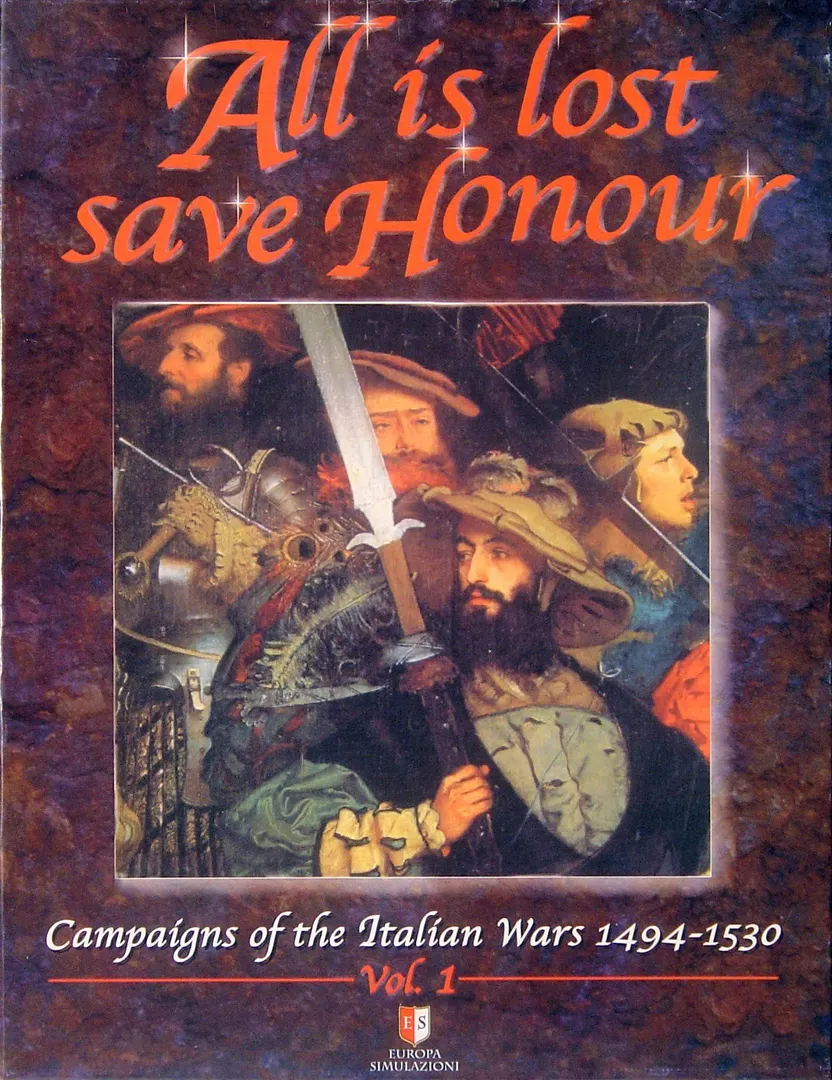
Regelhilfe für All is lost save Honour: Campaigns of the Italian Wars 1494-1530 – Vol.1
Verständliche Erklärungen zu Spielzügen, Karteneffekten und strittigen Situationen mit Verweisen auf offizielle Quellen und gespeichertem Fragenverlauf.
Für 2 Personen
Was möchtest du wissen?
Antworten stammen aus dem offiziellen Regelheft, mit Seitenangabe zum Nachprüfen.
All is lost save Honour: Campaigns of the Italian Wars 1494-1530 – Vol.1 ist ein Brettspiel aus dem Jahr 2006 für 2 Personen, mit 120–180 Minuten pro Partie und ab 12 Jahren. Entwickelt wurde es von Nicola Contardi; die wichtigsten Mechaniken sind Dice Rolling, Grid Movement und Hexagon Grid.


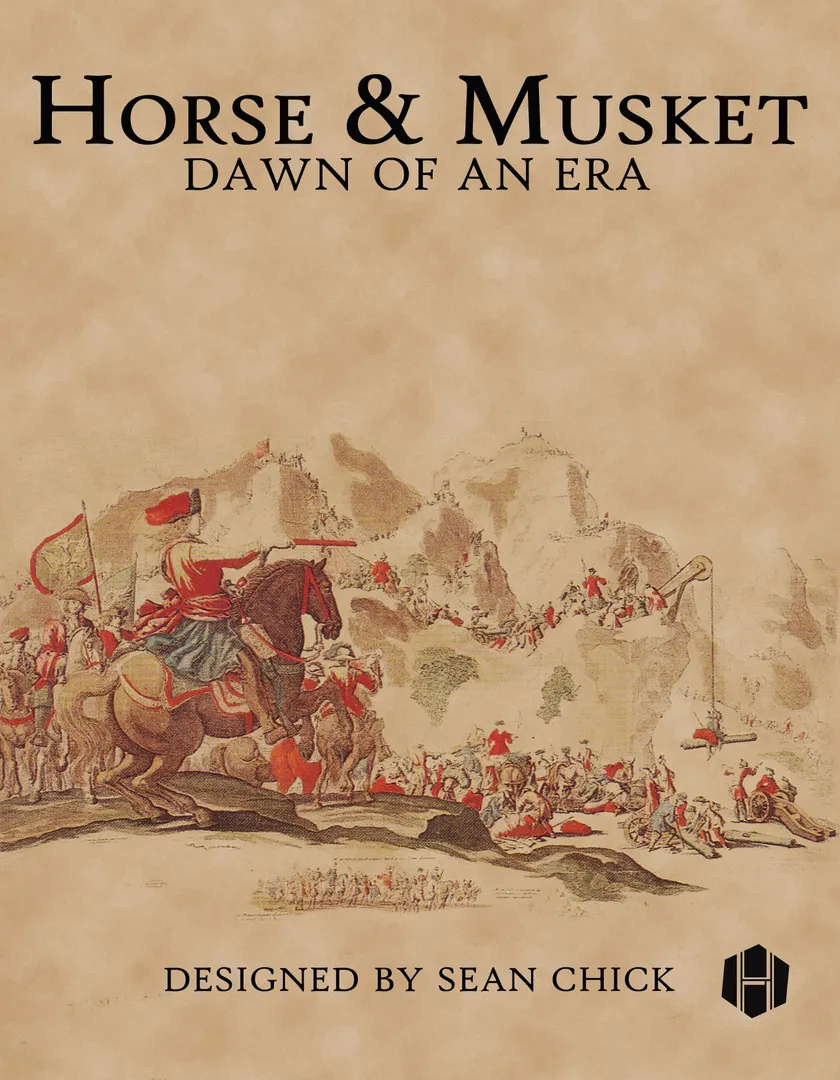
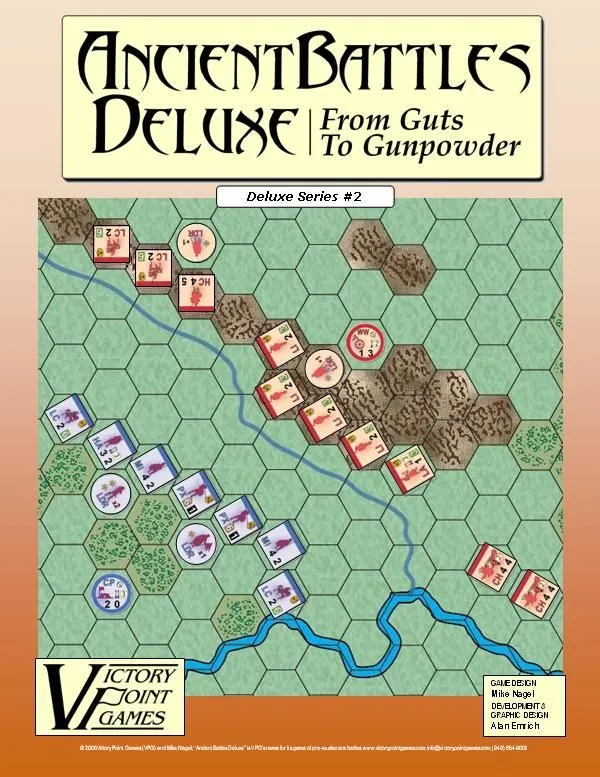

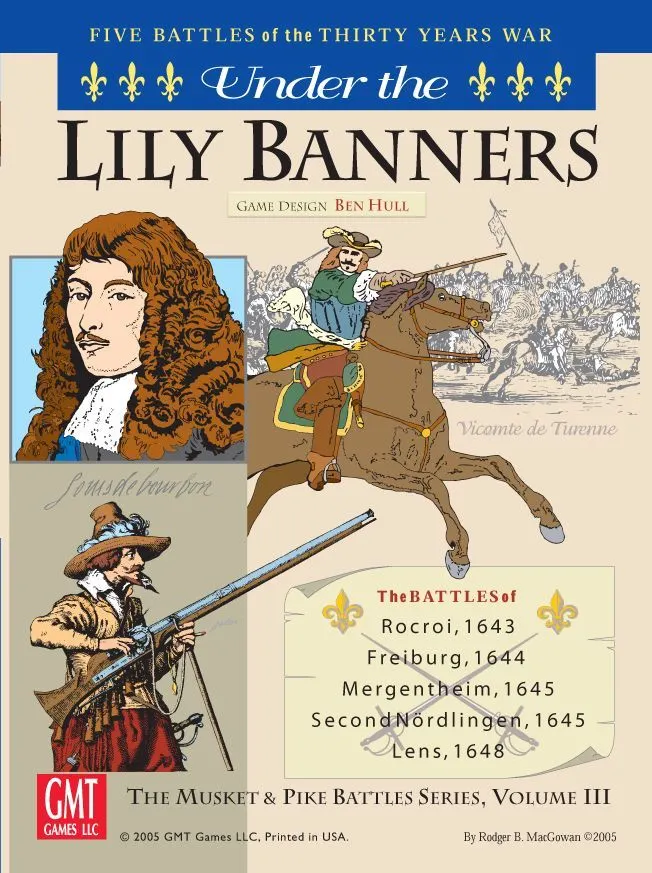
Auf Englisch
All is Lost Save Honour is a game about the campaigns fought during the Italian Wars (1494-1530), mainly between the Hapsburgs (the Empire) and the Valois (the French kingdom). The first volume is devoted to campaigns between Agnadello (1509) and Pavia (1525) All began after reading Taylor’s “The Art of War in Italy 1494-1529”, London, 1920. Soon that period looked extremely interesting to us and nearly neglected by the wargame community. Our intent was to generate any interest, among “aficionados” and historians, about that ancient era, when the first applications of modern strategy in the art of war took place. This is the time of charges of cavalrymen with the finest gliding armors; of the first use of fire arms and artillery (with some effect); sieges, mercenary troops, treachery, pillaging and all that “chrome” that may enlighten a wargame. Those campaigns were led to bring to “the battle”, which was often decisive, we decided to bring in a detailed sequence of the main battle (said “Major Battle”). So in the game, there are three kinds of battle: Major Battle, Skirmish and Siege with the Major Battle involving different tactics played by each side. The map represents Lombardy in the XVIth century and the neighbors states. The sources for the maps were new books and old manuscripts and maps, among which a manuscript dated 1520 (!), regarding the state of the roads in the area between Lodi and Piacenza. Many books have been written about this subject and I think we have read the most important ones. We had to make a selection of all those campaigns fought in Italy during the Italian Wars. The five campaigns we have included are: - Agnadello 1509, Venice defends its Republic against the foes. - Novara 1513, the Swiss against the French army. The last triumph of the Swiss. - Marignano 1515, François I grabs the Duchy of Milan from the Swiss - Bicocca 1522, the French lose the Duchy of Milan - Pavia 1525, François I loses the largest battle and Milan to the Empire Game Highlights: new game system, operational-level, devoted to warfare in the XVIth century campaigns highly interactive sequence of play, focused on maneuver and careful planning various forms of combat: Major Battles, Skirmishes, Sieges set of Exclusive Rules and specific rules and events for each campaign a 22" x 34" fine-art map , reproducing a part of XVIth northern Italy, based on an accurate study of ancient maps and sources gorgeous iconic counters representing all the main Capitani who fought there and the different combat units detailed (as it is possible) order of battle, with combat units differentiated by strength, maximum movement, quality and reliability very low counter density and limited play time (from Europa Simulazioni website)
Laut Katalog unterstützt All is lost save Honour: Campaigns of the Italian Wars 1494-1530 – Vol.1 2 Personen. Das ist die vom Verlag angegebene Spielerzahl, das Spiel ist also genau für diese Anzahl von Mitspielenden ausgelegt. Varianten für andere Gruppengrößen sind, sofern vorhanden, in der Anleitung deiner Ausgabe beschrieben; prüfe sie, bevor du eine andere Konfiguration aufbaust.
Die angegebene Spieldauer für All is lost save Honour: Campaigns of the Italian Wars 1494-1530 – Vol.1 beträgt 120–180 Minuten. Das ist die Schätzung des Verlags für eine vollständige Partie. Die tatsächliche Dauer hängt von der Gruppe, der Personenzahl und der Regelkenntnis ab: Erste Partien dauern meist länger, erfahrene Gruppen sind oft schneller fertig. Aufbau und Regelerklärung sind in dieser Schätzung nicht enthalten.
Im Katalog wird All is lost save Honour: Campaigns of the Italian Wars 1494-1530 – Vol.1 ab 12 Jahren empfohlen. Das ist die Empfehlung des Verlags und berücksichtigt Leseanforderungen, Regelkomplexität und Kleinteile, nicht nur das Thema. Jüngere Kinder können oft mit Hilfe eines Erwachsenen mitspielen; beachte die Altersangabe deiner Ausgabe und die Brettspielerfahrung deiner Gruppe.
All is lost save Honour: Campaigns of the Italian Wars 1494-1530 – Vol.1 hat bei BoardGameGeek eine Komplexitätswertung von 3,4 von 5 und gilt damit als mittelschweres Spiel. Die Wertung zeigt, wie viel Regelwissen, Planung und Entscheidungen eine typische Partie verlangt. Schwerere Spiele brauchen bei der ersten Erklärung mehr Zeit, daher hilft vor dem Spieleabend eine Vorbereitungsanleitung.
All is lost save Honour: Campaigns of the Italian Wars 1494-1530 – Vol.1 gehört zu diesen Kategorien: Wargame, Renaissance und Pike and Shot. Die wichtigsten Mechaniken sind Dice Rolling, Grid Movement und Hexagon Grid. Kategorien beschreiben Thema und Setting eines Spiels, Mechaniken dagegen, was die Spielenden in ihrem Zug tatsächlich tun. Jede Mechanik führt zu einer Katalogseite mit ähnlichen Spielen, falls du etwas Vergleichbares suchst.
Als Autoren von All is lost save Honour: Campaigns of the Italian Wars 1494-1530 – Vol.1 sind angegeben: Nicola Contardi. Diese Angaben stammen aus den veröffentlichten Spieldaten und nennen die für das Spieldesign verantwortlichen Personen, nicht die Illustratoren oder Verlage. Die Autorenseiten auf MeepleRules sammeln weitere Titel derselben Autoren – praktisch, wenn dir ein Spiel gefällt und du ähnliche Spiele suchst.
Im Katalog ist All is lost save Honour: Campaigns of the Italian Wars 1494-1530 – Vol.1 als Grundspiel aufgeführt. Es lässt sich eigenständig mit dem Material aus der Schachtel spielen und benötigt keinen weiteren Titel. Erweiterungen, sofern es welche gibt, ergänzen neues Material oder neue Regeln und sind im Katalog separat mit einem Verweis auf dieses Grundspiel aufgeführt.