
- BGG-Rang
- BGG #6.983
- BGG-Bewertung
- 7,5
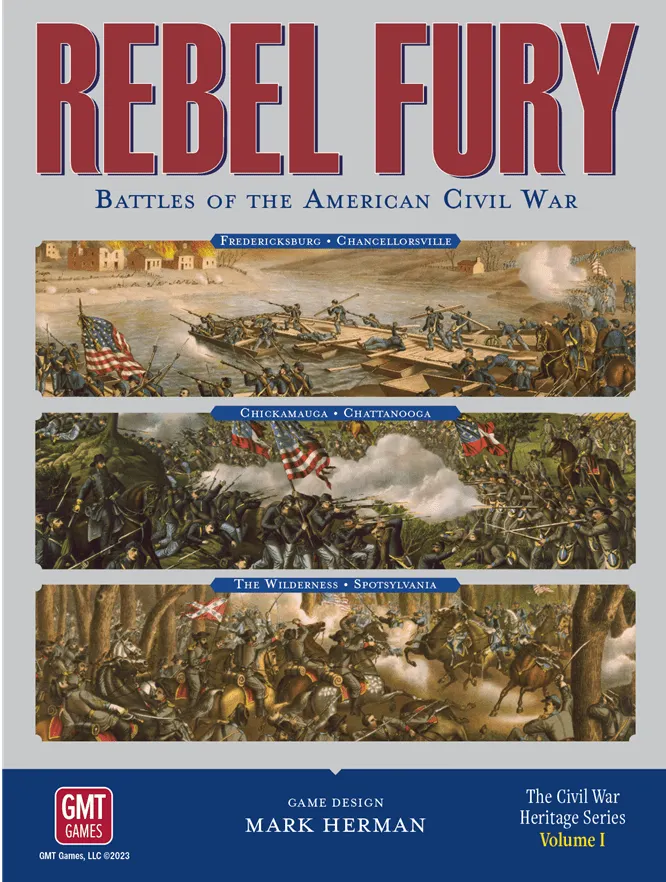
Rebel Fury
- 1–2 Spieler
- 60–120 Min.
- Komplexität 2,4/5
- 2024
2026
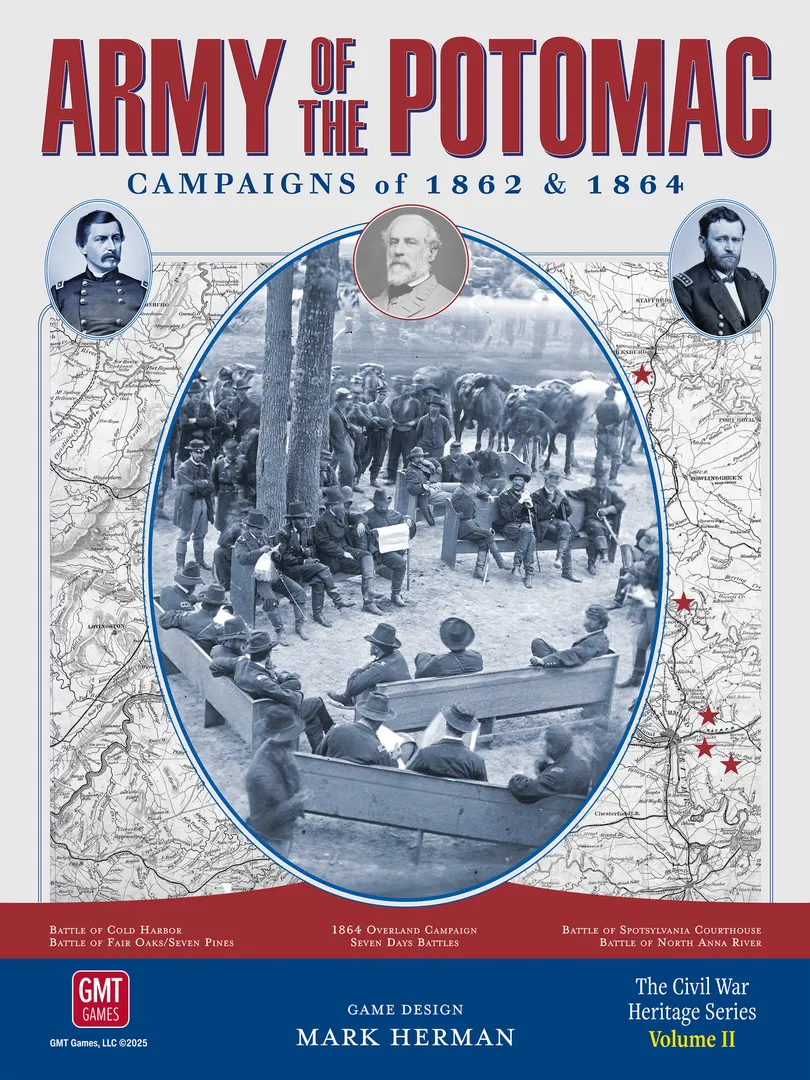
Regelhilfe für Army of the Potomac: Campaigns of 1862 and 1864
Verständliche Erklärungen zu Spielzügen, Karteneffekten und strittigen Situationen mit Verweisen auf offizielle Quellen und gespeichertem Fragenverlauf.
Für 1 Person
Was möchtest du wissen?
Antworten stammen aus dem offiziellen Regelheft, mit Seitenangabe zum Nachprüfen.
Army of the Potomac: Campaigns of 1862 and 1864 ist ein Brettspiel aus dem Jahr 2026 für 1–2 Personen, mit 360–480 Minuten pro Partie und ab 14 Jahren. Entwickelt wurde es von Mark Herman; die wichtigsten Mechaniken sind Dice Rolling, Grid Movement und Hexagon Grid.





Auf Englisch
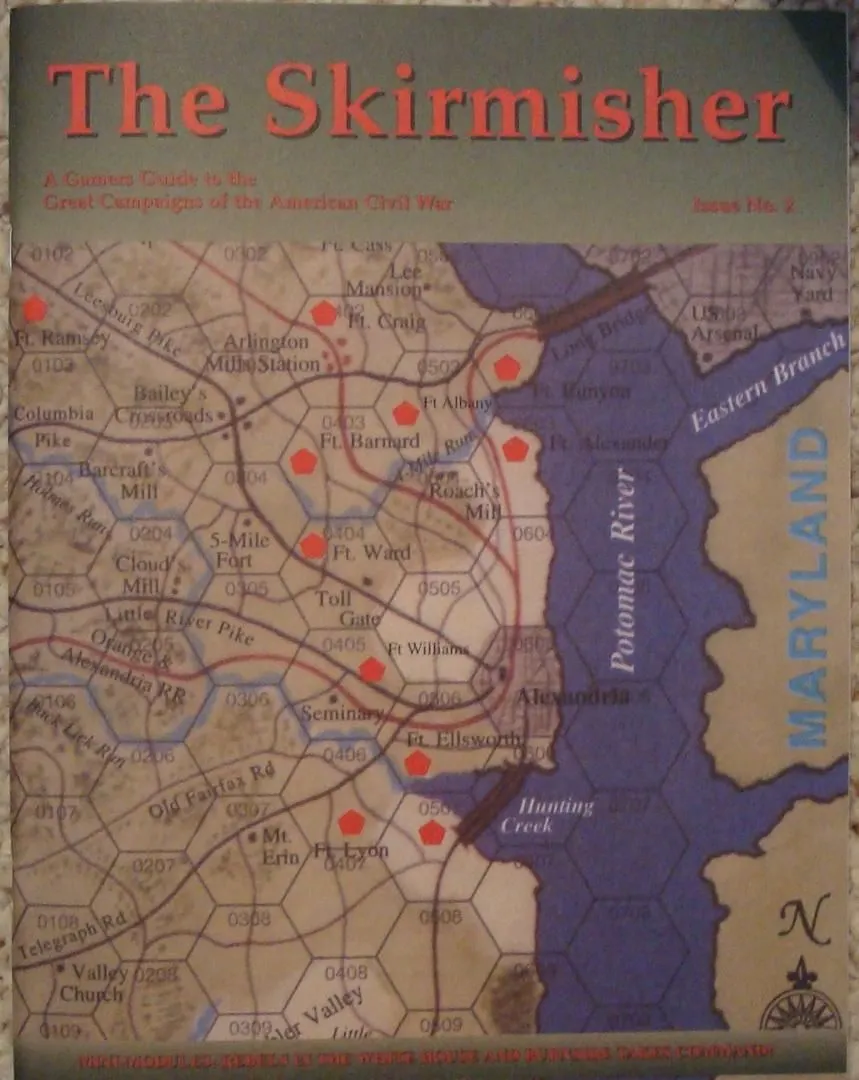
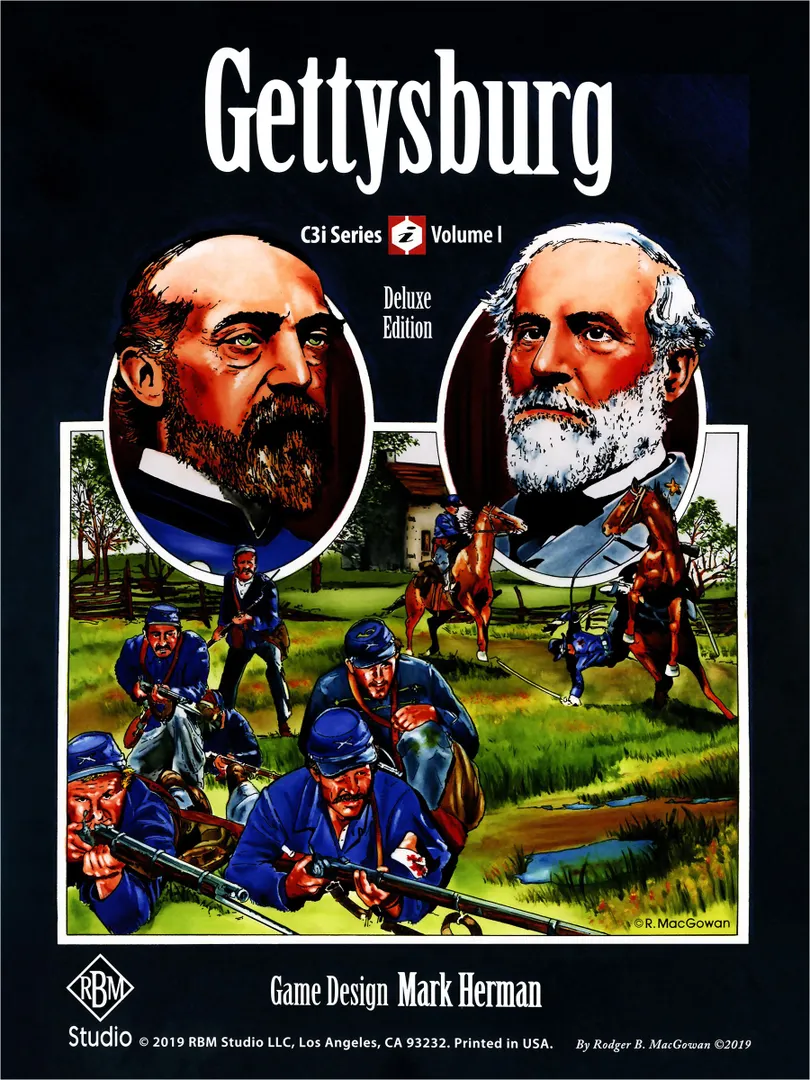
Army of the Potomac: Campaigns of 1862 and 1864 is the second volume in the Civil War Heritage series and the follow-up game to the innovative and acclaimed Rebel Fury. Army of the Potomac uses the same core rules as Rebel Fury, so players familiar with Rebel Fury will be able to jump right into the action. Each battle in Army of the Potomac is quick-set-up, quick-playing, and deeply interactive. The density of counters in each scenario is low, allowing you to see and experience the big picture of the battle. Army of the Potomac covers the battles of Spotsylvania II, North Anna River, Cold Harbor, and the entire Seven Days battle (McClellan vs Lee), including the prelude Seven Pines (McClellan vs Johnston) when Johnston's wounding brought Lee into the command of the Army of Northern Virginia. Each battle places you, the player, in the role of the Army Commander (Grant, McClellan, Lee, Johnston). You maneuver your army to find the enemy’s flanks, concentrate your forces for an attack, and determine where to commit your artillery assets. Units are portrayed at the Infantry/Cavalry division level. The Civil War Heritage series game system features a new Zone of Influence/Zone of Control mechanic that controls unit formation (March/Battle) based on their proximity to your opponent. As your units close with the enemy, your forces naturally break into battle formation, where they then maneuver the last distance to engage. Unlike most hex and counter wargames, this system allows you total freedom to move units in any order multiple times, unleashing the full range of historical tactics in a simple and clean format. Combat features a differential combat system with few but significant factors that capture the key features of Civil War division level combat. Units are rated for quality, artillery support, supporting units, and terrain. The game features artillery duels with the occasional Exploding Caisson result. The Civil War Heritage series combat system accurately depicts the ability of units to launch multiple waves of attacks on the same position, capturing the back-and-forth nature of many famous combat duels. Army of the Potomac also includes a set of campaign rules that allow you to conduct operations from Spotsylvania to Cold Harbor featuring logistics and attrition. Also included are two bonus scenarios to allow owners of Rebel Fury to also fight Spotsylvania II and begin the Campaign scenario from Wilderness to Cold Harbor using their original Rebel Fury map. Components: Five Paper Maps Three Countersheets Two Player Aids Two Off Map Displays One Turn Record Track Two 10-sided dice One custom 6-sided die One Rulebook One Playbook One 2" Box -description from publisher
Laut Katalog unterstützt Army of the Potomac: Campaigns of 1862 and 1864 1–2 Personen. Diese Spanne entspricht der vom Verlag angegebenen Spielerzahl, das Spiel lässt sich also für jede Gruppengröße innerhalb dieser Spanne aufbauen. Aufbau, einzelne Regeln und Wertungsdetails können je nach Personenzahl trotzdem abweichen; prüfe daher die genaue Konfiguration in der Anleitung deiner Ausgabe.
Die angegebene Spieldauer für Army of the Potomac: Campaigns of 1862 and 1864 beträgt 360–480 Minuten. Das ist die Schätzung des Verlags für eine vollständige Partie. Die tatsächliche Dauer hängt von der Gruppe, der Personenzahl und der Regelkenntnis ab: Erste Partien dauern meist länger, erfahrene Gruppen sind oft schneller fertig. Aufbau und Regelerklärung sind in dieser Schätzung nicht enthalten.
Im Katalog wird Army of the Potomac: Campaigns of 1862 and 1864 ab 14 Jahren empfohlen. Das ist die Empfehlung des Verlags und berücksichtigt Leseanforderungen, Regelkomplexität und Kleinteile, nicht nur das Thema. Jüngere Kinder können oft mit Hilfe eines Erwachsenen mitspielen; beachte die Altersangabe deiner Ausgabe und die Brettspielerfahrung deiner Gruppe.
Army of the Potomac: Campaigns of 1862 and 1864 hat bei BoardGameGeek eine Komplexitätswertung von 2,3 von 5 und gilt damit als eher leichtes Spiel. Die Wertung zeigt, wie viel Regelwissen, Planung und Entscheidungen eine typische Partie verlangt. Schwerere Spiele brauchen bei der ersten Erklärung mehr Zeit, daher hilft vor dem Spieleabend eine Vorbereitungsanleitung.
Army of the Potomac: Campaigns of 1862 and 1864 gehört zu diesen Kategorien: Wargame, Civil War und Post-Napoleonic. Die wichtigsten Mechaniken sind Dice Rolling, Grid Movement und Hexagon Grid. Kategorien beschreiben Thema und Setting eines Spiels, Mechaniken dagegen, was die Spielenden in ihrem Zug tatsächlich tun. Jede Mechanik führt zu einer Katalogseite mit ähnlichen Spielen, falls du etwas Vergleichbares suchst.
Als Autoren von Army of the Potomac: Campaigns of 1862 and 1864 sind angegeben: Mark Herman. Diese Angaben stammen aus den veröffentlichten Spieldaten und nennen die für das Spieldesign verantwortlichen Personen, nicht die Illustratoren oder Verlage. Die Autorenseiten auf MeepleRules sammeln weitere Titel derselben Autoren – praktisch, wenn dir ein Spiel gefällt und du ähnliche Spiele suchst.
Im Katalog ist Army of the Potomac: Campaigns of 1862 and 1864 als Grundspiel aufgeführt. Es lässt sich eigenständig mit dem Material aus der Schachtel spielen und benötigt keinen weiteren Titel. Erweiterungen, sofern es welche gibt, ergänzen neues Material oder neue Regeln und sind im Katalog separat mit einem Verweis auf dieses Grundspiel aufgeführt.