
- BGG-Rang
- BGG #185
- BGG-Bewertung
- 7,8
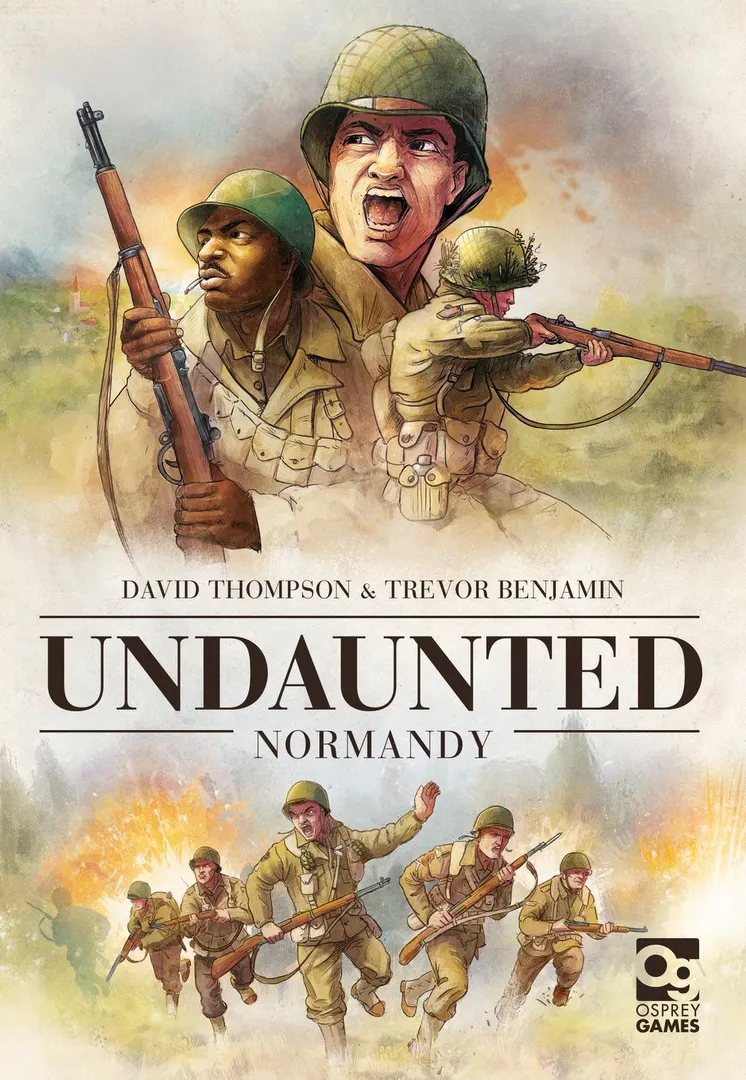
Undaunted: Normandy
- 2 Spieler
- 45–60 Min.
- Komplexität 2,3/5
- 2019
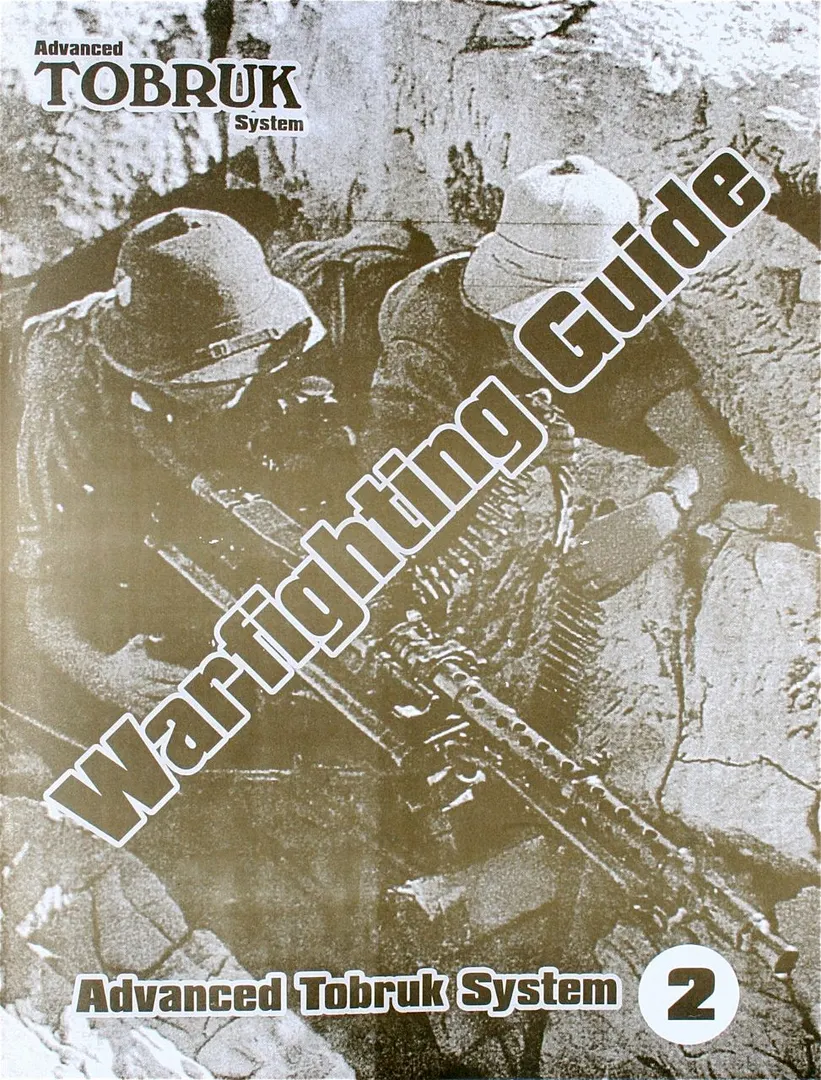
Regelhilfe für ATS Warfighting Guide #2
Verständliche Erklärungen zu Spielzügen, Karteneffekten und strittigen Situationen mit Verweisen auf offizielle Quellen und gespeichertem Fragenverlauf.
Was möchtest du wissen?
Antworten stammen aus dem offiziellen Regelheft, mit Seitenangabe zum Nachprüfen.
ATS Warfighting Guide #2 ist eine Erweiterung für Advanced Tobruk: Tank Battles in North Africa 1940-43 aus dem Jahr 2008. Entwickelt wurde es von Ray Tapio und George Anderson; die wichtigsten Mechaniken sind Dice Rolling und Simulation.








Auf Englisch
From the Publisher's website: ATS Warfighting Guide #2 contains 52 pages of ATS material aimed at making the ATSer a system expert. Included in the new issue is George Anderson's ATS Robot, a card-based system for playing ANY ATS scenario solo with a random generation of actions by the 'enemy'. The ATS Robot includes a set of over 50 cards (provided on cardstock for you to trim out) for use with George's solo rules. Also included in the issue are the first installment of Drew Dorman's 'ATS Set Ups', suggested set up data for all six D-Day Ranger scenarios. You can set up either side Drew's way, then use the ATS Robot to hammer it out. Alone. Just like you like it! What's more, Drew uses the D-Day Rangers NEW Edition scenarios, which also happen to be included in the issue as a FREE bonus! The FREE bonus approach continues...with a strip of funky new ATS leader counters bundled with EACH copy of ATS Warfighting Guide #2. So this is it. And this is NO DRILL. The expert ATSer needs his warfighting, and he (or she) needs it now.
ATS Warfighting Guide #2 gehört zu diesen Kategorien: Wargame, World War II und Expansion for Base-game. Die wichtigsten Mechaniken sind Dice Rolling und Simulation. Kategorien beschreiben Thema und Setting eines Spiels, Mechaniken dagegen, was die Spielenden in ihrem Zug tatsächlich tun. Jede Mechanik führt zu einer Katalogseite mit ähnlichen Spielen, falls du etwas Vergleichbares suchst.
Als Autoren von ATS Warfighting Guide #2 sind angegeben: Ray Tapio und George Anderson. Diese Angaben stammen aus den veröffentlichten Spieldaten und nennen die für das Spieldesign verantwortlichen Personen, nicht die Illustratoren oder Verlage. Die Autorenseiten auf MeepleRules sammeln weitere Titel derselben Autoren – praktisch, wenn dir ein Spiel gefällt und du ähnliche Spiele suchst.
Im Katalog ist ATS Warfighting Guide #2 als Erweiterung zu Advanced Tobruk: Tank Battles in North Africa 1940-43 aufgeführt. Erweiterungen ergänzen das Grundspiel um neues Material, neue Regeln oder Szenarien und sind meist nicht eigenständig spielbar; du brauchst also Advanced Tobruk: Tank Battles in North Africa 1940-43, um sie zu nutzen. Prüfe, ob deine Ausgabe von Advanced Tobruk: Tank Battles in North Africa 1940-43 kompatibel ist, da manche Erweiterungen zwischen den Auflagen überarbeitet wurden.