

- BGG-Rang
- BGG #7.124
- BGG-Bewertung
- 6,6
Lost Worlds
- 2 Spieler
- 10 Min.
- Komplexität 1,7/5
- 1983
1982
Regelhilfe für Bounty Hunter: Shootout at the Saloon
Verständliche Erklärungen zu Spielzügen, Karteneffekten und strittigen Situationen mit Verweisen auf offizielle Quellen und gespeichertem Fragenverlauf.
Für 2 Personen
Was möchtest du wissen?
Antworten stammen aus dem offiziellen Regelheft, mit Seitenangabe zum Nachprüfen.
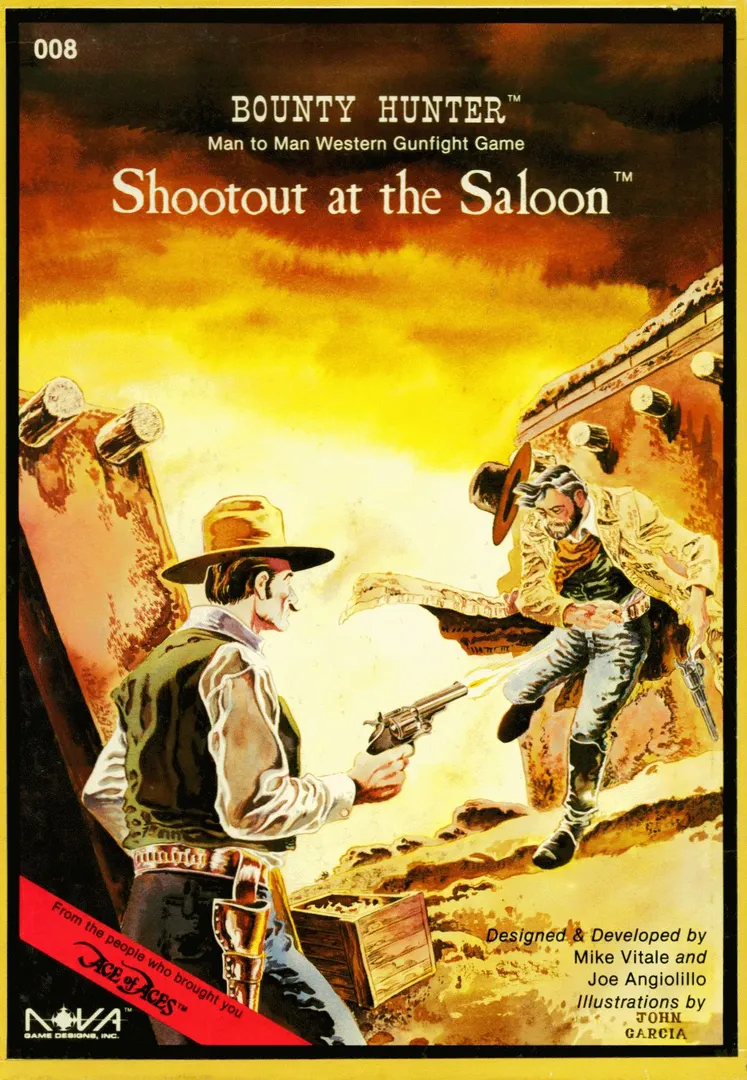
Bounty Hunter: Shootout at the Saloon ist ein Brettspiel aus dem Jahr 1982 für 2 Personen, mit 10 Minuten pro Partie und ab 12 Jahren. Entwickelt wurde es von Joe Angiolillo, Alfred Leonardi und Mike Vitale; die wichtigsten Mechaniken sind Simultaneous Action Selection und Rock-Paper-Scissors.





Auf Englisch
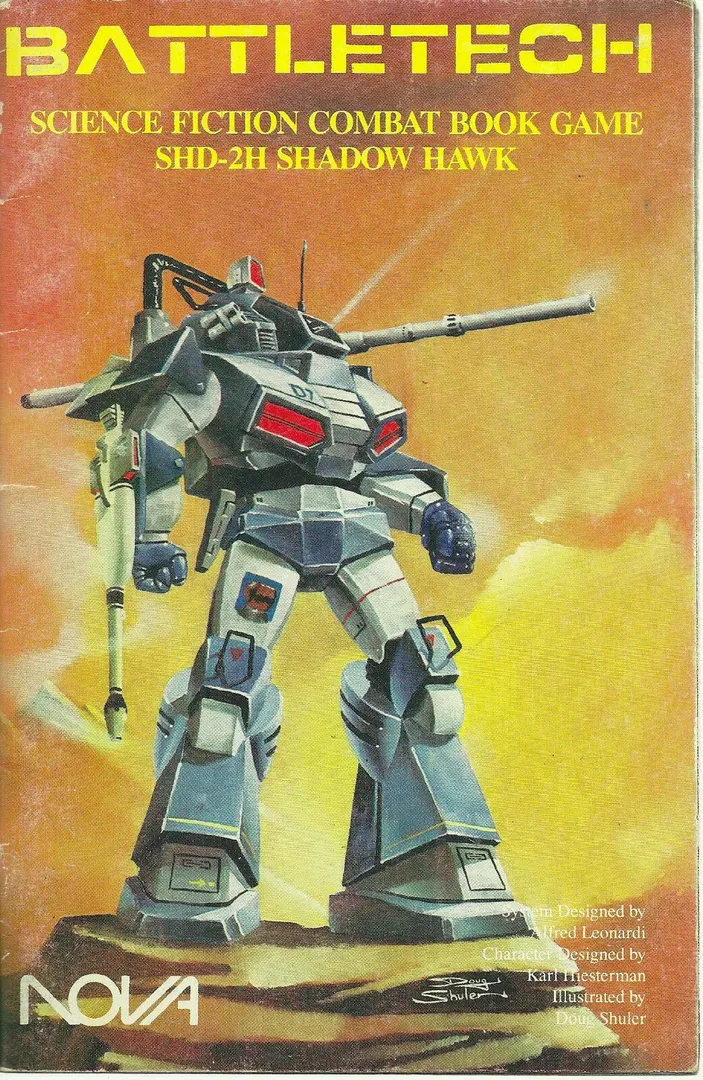
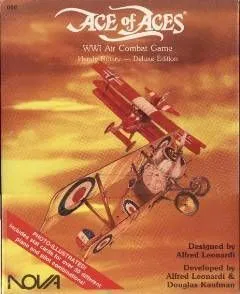
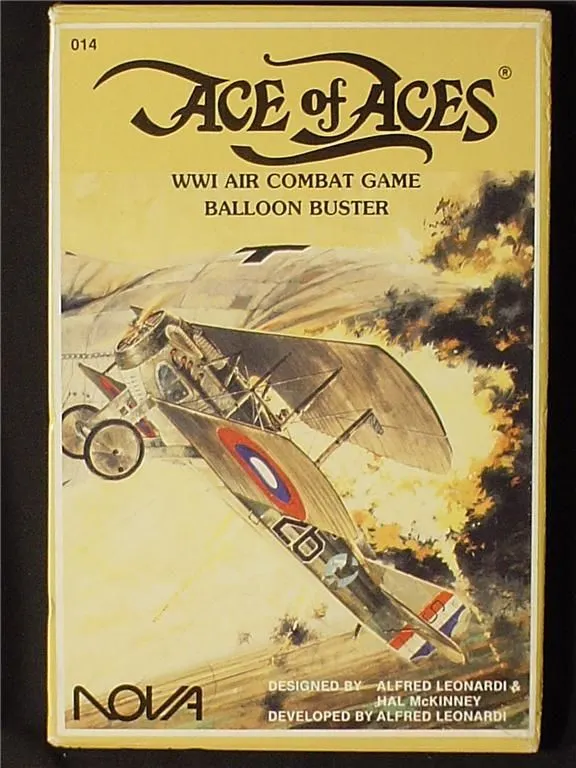
From The Box: Bounty Hunter is an exciting, fast-paced, realistic re-creation of gunfights and robberies in the WILD WEST. Using the revolutionary stop-action picture book system of the award-winning Ace of Aces, Bounty Hunter contains two books, each with 290 views in and around the saloon of an old-time Wild West town. With up to 18 possible moves each turn, you move your character to intercept your opponents and build skill and reputation for use in future games of Bounty Hunter. Keep track of your character as he gains money, becomes more famous and more skilled in his weapons. You will develop characters with stories to rival those of Jesse James, Wyatt Earp and Bat Masterson. Components: 2 Stop-Action picture books; 1 lawman and 1 outlaw Character Sheets Reference Tables (shot sequence, skill points, reputation, etc.) Aiming Silhouettes (several pages at different ranges, different positions) Book mechanic also featured in: Ace of Aces: Handy Rotary Series Dragonriders of Pern: The Book Game Star Wars: Starfighter Battle Book
Laut Katalog unterstützt Bounty Hunter: Shootout at the Saloon 2 Personen. Das ist die vom Verlag angegebene Spielerzahl, das Spiel ist also genau für diese Anzahl von Mitspielenden ausgelegt. Varianten für andere Gruppengrößen sind, sofern vorhanden, in der Anleitung deiner Ausgabe beschrieben; prüfe sie, bevor du eine andere Konfiguration aufbaust.
Die angegebene Spieldauer für Bounty Hunter: Shootout at the Saloon beträgt 10 Minuten. Das ist die Schätzung des Verlags für eine vollständige Partie. Die tatsächliche Dauer hängt von der Gruppe, der Personenzahl und der Regelkenntnis ab: Erste Partien dauern meist länger, erfahrene Gruppen sind oft schneller fertig. Aufbau und Regelerklärung sind in dieser Schätzung nicht enthalten.
Im Katalog wird Bounty Hunter: Shootout at the Saloon ab 12 Jahren empfohlen. Das ist die Empfehlung des Verlags und berücksichtigt Leseanforderungen, Regelkomplexität und Kleinteile, nicht nur das Thema. Jüngere Kinder können oft mit Hilfe eines Erwachsenen mitspielen; beachte die Altersangabe deiner Ausgabe und die Brettspielerfahrung deiner Gruppe.
Bounty Hunter: Shootout at the Saloon hat bei BoardGameGeek eine Komplexitätswertung von 1,9 von 5 und gilt damit als leichtes Spiel. Die Wertung zeigt, wie viel Regelwissen, Planung und Entscheidungen eine typische Partie verlangt. Schwerere Spiele brauchen bei der ersten Erklärung mehr Zeit, daher hilft vor dem Spieleabend eine Vorbereitungsanleitung.
Bounty Hunter: Shootout at the Saloon gehört zu diesen Kategorien: Fighting, American West und Book. Die wichtigsten Mechaniken sind Simultaneous Action Selection und Rock-Paper-Scissors. Kategorien beschreiben Thema und Setting eines Spiels, Mechaniken dagegen, was die Spielenden in ihrem Zug tatsächlich tun. Jede Mechanik führt zu einer Katalogseite mit ähnlichen Spielen, falls du etwas Vergleichbares suchst.
Als Autoren von Bounty Hunter: Shootout at the Saloon sind angegeben: Joe Angiolillo, Alfred Leonardi und Mike Vitale. Diese Angaben stammen aus den veröffentlichten Spieldaten und nennen die für das Spieldesign verantwortlichen Personen, nicht die Illustratoren oder Verlage. Die Autorenseiten auf MeepleRules sammeln weitere Titel derselben Autoren – praktisch, wenn dir ein Spiel gefällt und du ähnliche Spiele suchst.
Im Katalog ist Bounty Hunter: Shootout at the Saloon als Grundspiel aufgeführt. Es lässt sich eigenständig mit dem Material aus der Schachtel spielen und benötigt keinen weiteren Titel. Erweiterungen, sofern es welche gibt, ergänzen neues Material oder neue Regeln und sind im Katalog separat mit einem Verweis auf dieses Grundspiel aufgeführt.