
- BGG-Rang
- BGG #126
- BGG-Bewertung
- 8,0
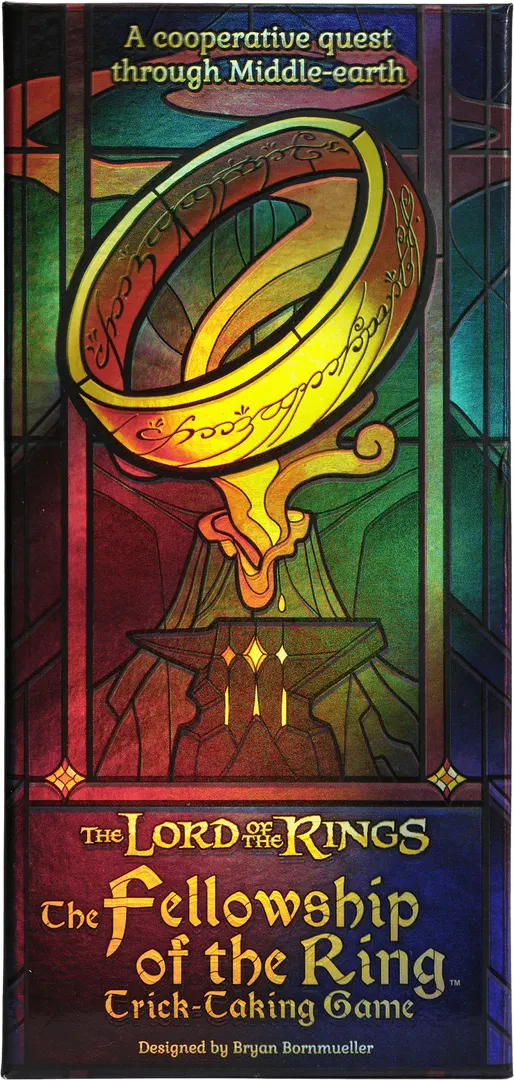
The Lord of the Rings: The Fellowship of the Ring – Trick-Taking Game
- 1–4 Spieler
- 20 Min.
- Komplexität 1,9/5
- 2024
Erweiterung für Claim
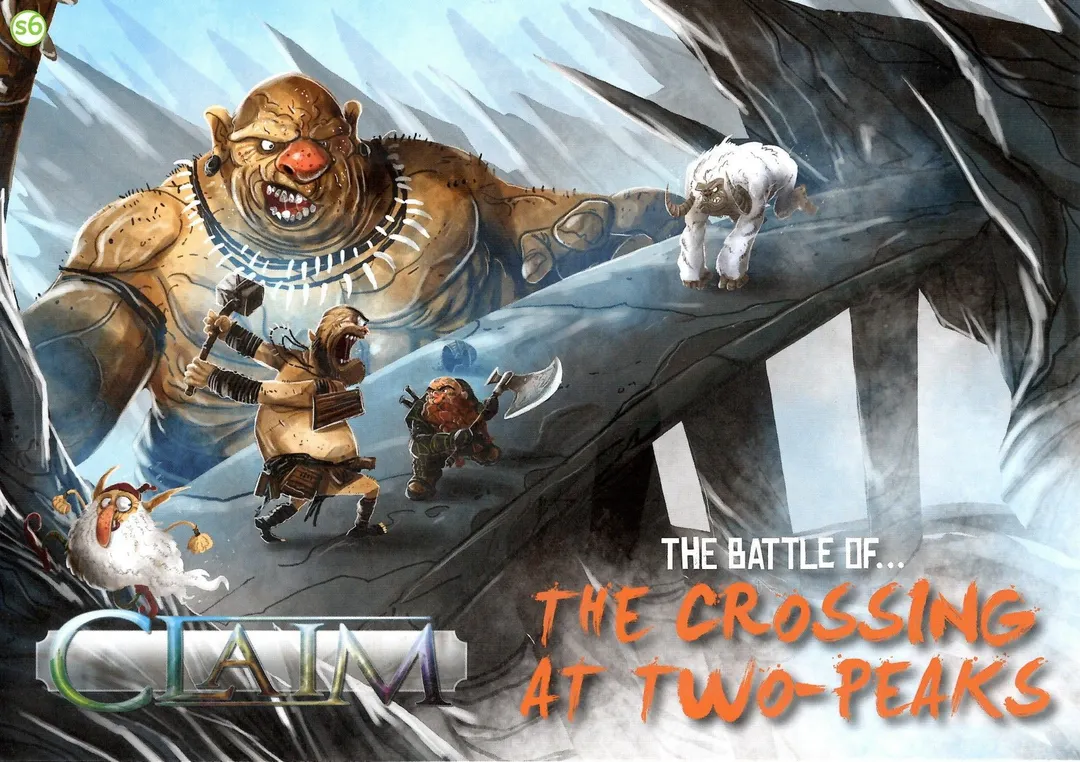
Regelhilfe für Claim Scenario Card 6: The Battle of... The Crossing at Two-Peaks
Verständliche Erklärungen zu Spielzügen, Karteneffekten und strittigen Situationen mit Verweisen auf offizielle Quellen und gespeichertem Fragenverlauf.
Was möchtest du wissen?
Antworten stammen aus dem offiziellen Regelheft, mit Seitenangabe zum Nachprüfen.
Claim Scenario Card 6: The Battle of... The Crossing at Two-Peaks ist eine Erweiterung für Claim für 2 Personen, mit 25 Minuten pro Partie und ab 10 Jahren. Die wichtigsten Mechaniken sind Trick-taking.


Auf Englisch
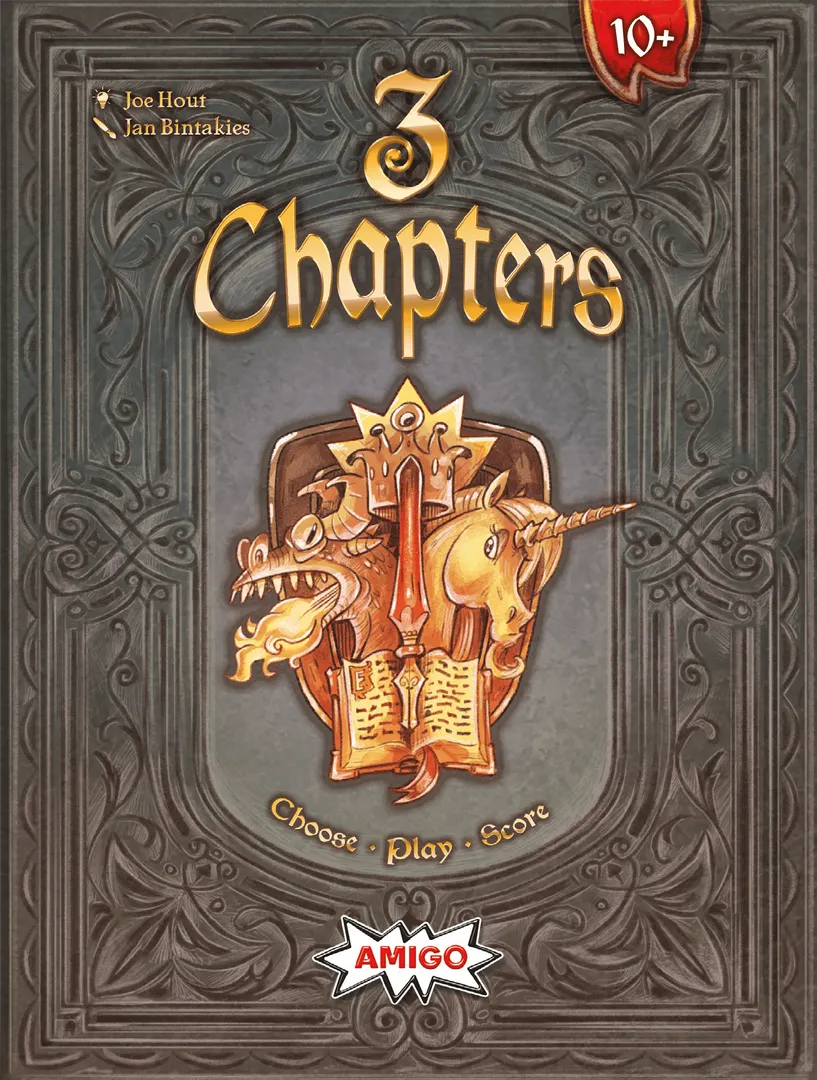
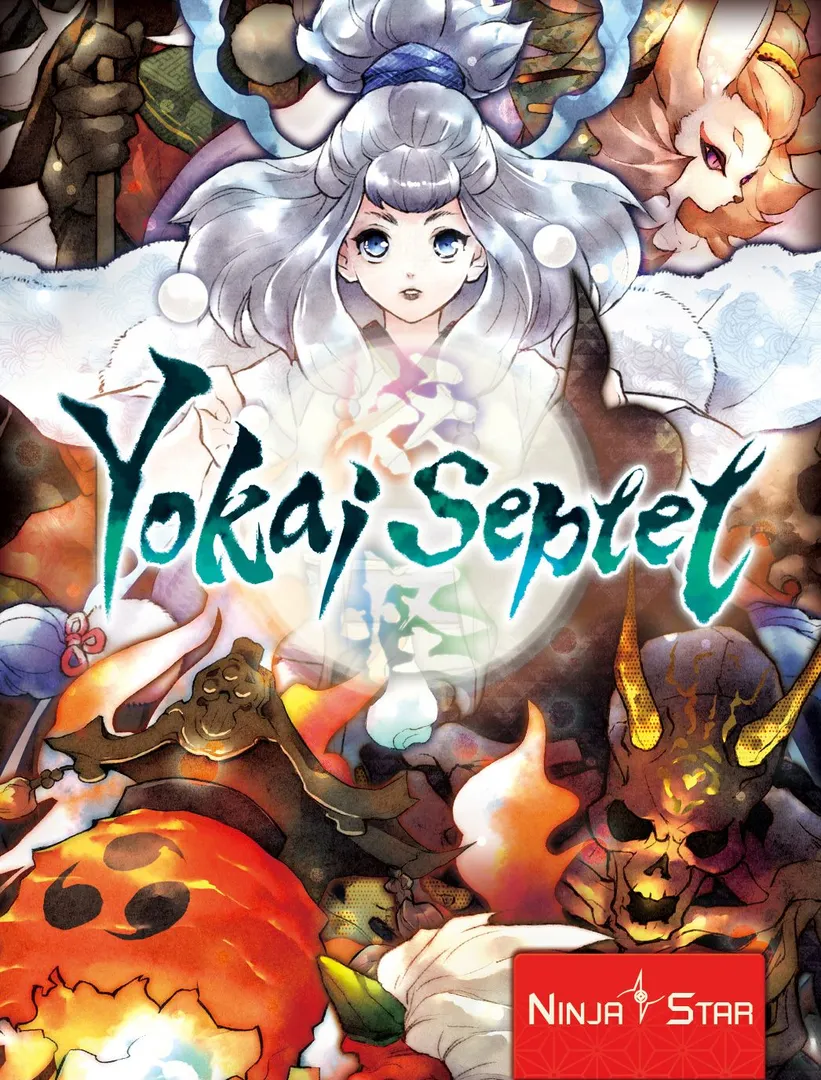
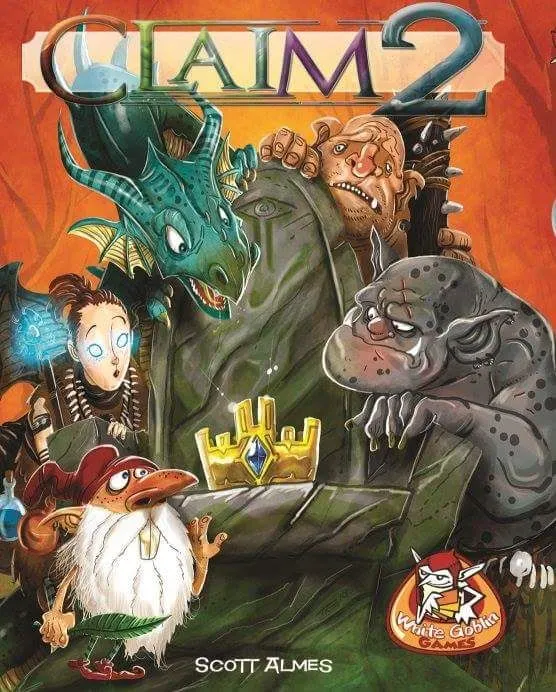
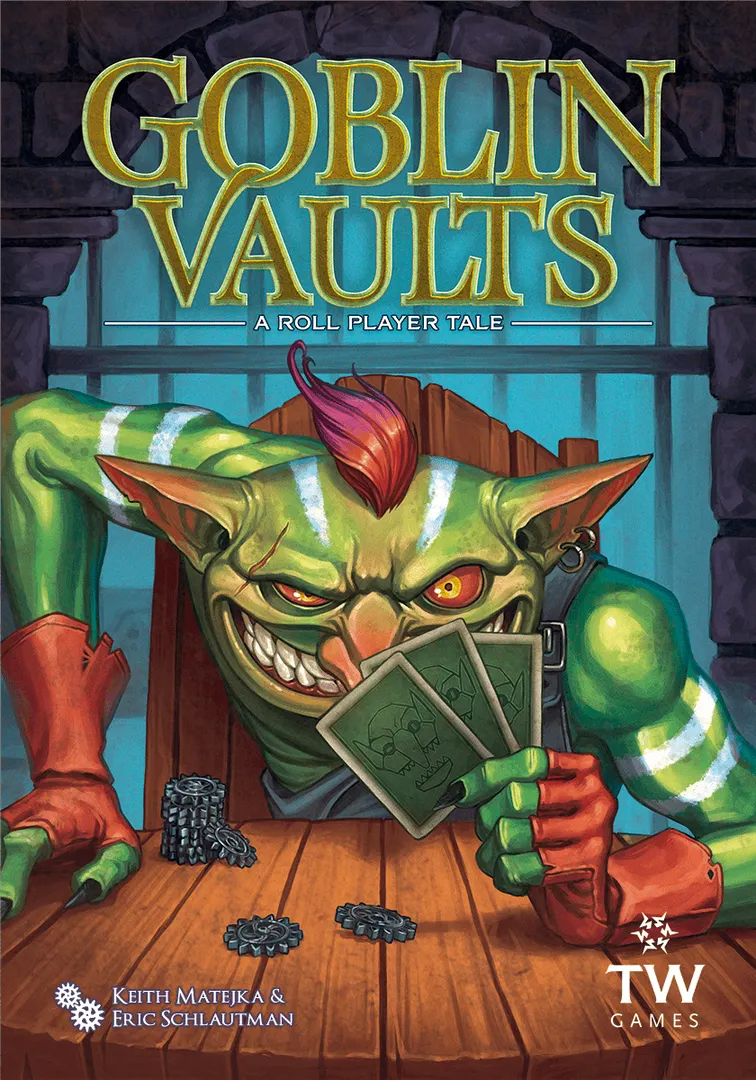
Narrative from Scenario Card: The Battle of... The Crossing at Two-Peaks The great bridge spans the two peaks, and nobody can agree on who built it. Was it the giants and their massive strength? Was it the crafty dwarves? Or was it a lone Yeti who had too much time on his hands. Each faction wants credit for the bridge, and now a battle will determine who gets to write its history Referenced in the Claim Anniversary Edition rulebook, Claim Scenario Cards are used to tell a story and set up a battle.Sold directly from White Goblin Games, this scenario contains a short narrative along with preselected factions & locations from multiple products within the Claim family, requiring all items listed under "Expands" to use*. A table displaying all such information for this and other Claim Scenario Cards is available for viewing in the Claim Scenario Card List. *Claim Anniversary Edition is NOT required. However, it contains Claim 1 and Claim 2, and so it can be used in their place.
Laut Katalog unterstützt Claim Scenario Card 6: The Battle of... The Crossing at Two-Peaks 2 Personen. Das ist die vom Verlag angegebene Spielerzahl, das Spiel ist also genau für diese Anzahl von Mitspielenden ausgelegt. Varianten für andere Gruppengrößen sind, sofern vorhanden, in der Anleitung deiner Ausgabe beschrieben; prüfe sie, bevor du eine andere Konfiguration aufbaust.
Die angegebene Spieldauer für Claim Scenario Card 6: The Battle of... The Crossing at Two-Peaks beträgt 25 Minuten. Das ist die Schätzung des Verlags für eine vollständige Partie. Die tatsächliche Dauer hängt von der Gruppe, der Personenzahl und der Regelkenntnis ab: Erste Partien dauern meist länger, erfahrene Gruppen sind oft schneller fertig. Aufbau und Regelerklärung sind in dieser Schätzung nicht enthalten.
Im Katalog wird Claim Scenario Card 6: The Battle of... The Crossing at Two-Peaks ab 10 Jahren empfohlen. Das ist die Empfehlung des Verlags und berücksichtigt Leseanforderungen, Regelkomplexität und Kleinteile, nicht nur das Thema. Jüngere Kinder können oft mit Hilfe eines Erwachsenen mitspielen; beachte die Altersangabe deiner Ausgabe und die Brettspielerfahrung deiner Gruppe.
Claim Scenario Card 6: The Battle of... The Crossing at Two-Peaks gehört zu diesen Kategorien: Card Game, Fantasy und Expansion for Base-game. Die wichtigsten Mechaniken sind Trick-taking. Kategorien beschreiben Thema und Setting eines Spiels, Mechaniken dagegen, was die Spielenden in ihrem Zug tatsächlich tun. Jede Mechanik führt zu einer Katalogseite mit ähnlichen Spielen, falls du etwas Vergleichbares suchst.
Im Katalog ist Claim Scenario Card 6: The Battle of... The Crossing at Two-Peaks als Erweiterung zu Claim aufgeführt. Erweiterungen ergänzen das Grundspiel um neues Material, neue Regeln oder Szenarien und sind meist nicht eigenständig spielbar; du brauchst also Claim, um sie zu nutzen. Prüfe, ob deine Ausgabe von Claim kompatibel ist, da manche Erweiterungen zwischen den Auflagen überarbeitet wurden.