
- BGG-Rang
- BGG #3.655
- BGG-Bewertung
- 7,3
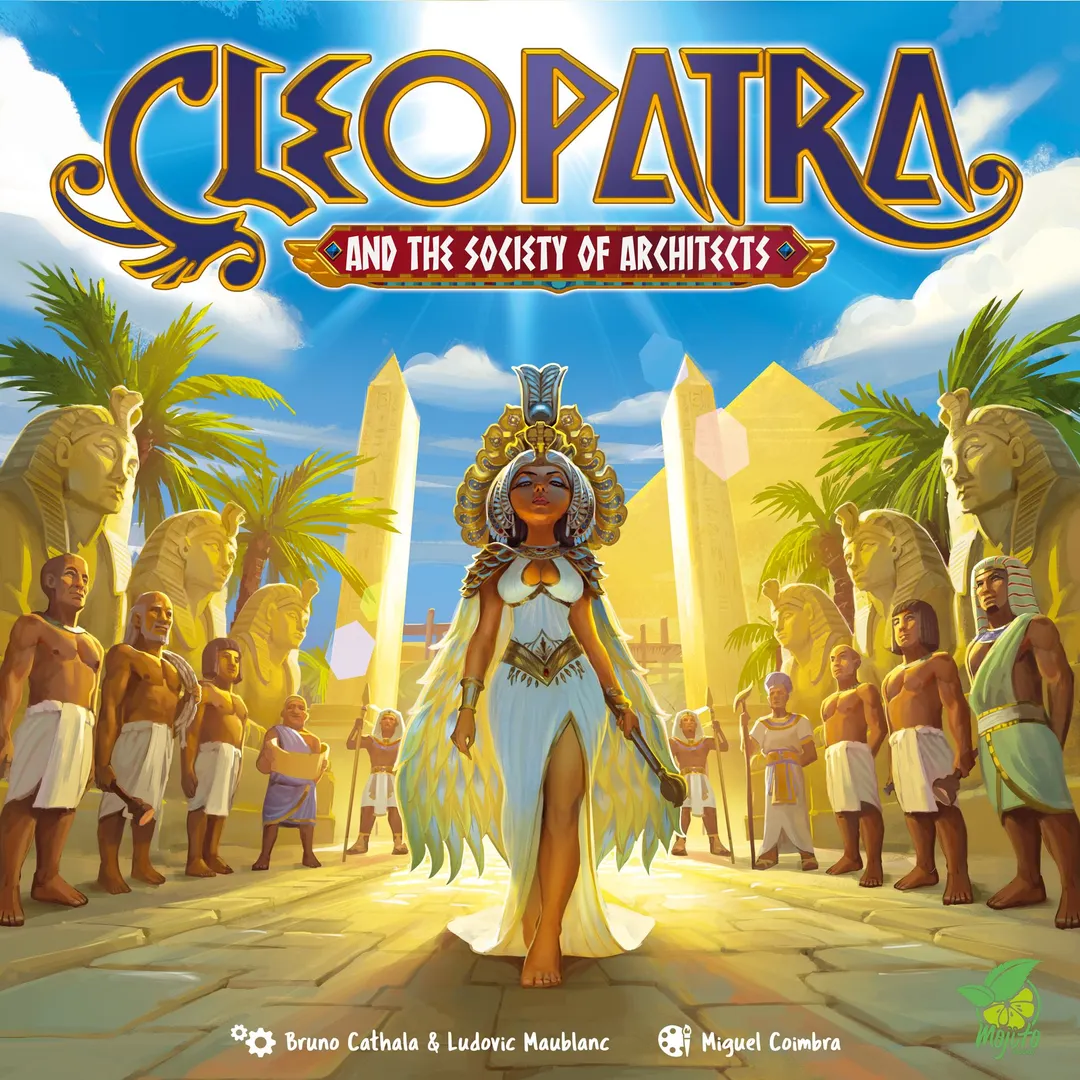
Cleopatra and the Society of Architects: Deluxe Edition
- 2–4 Spieler
- 60 Min.
- Komplexität 2,2/5
- 2020
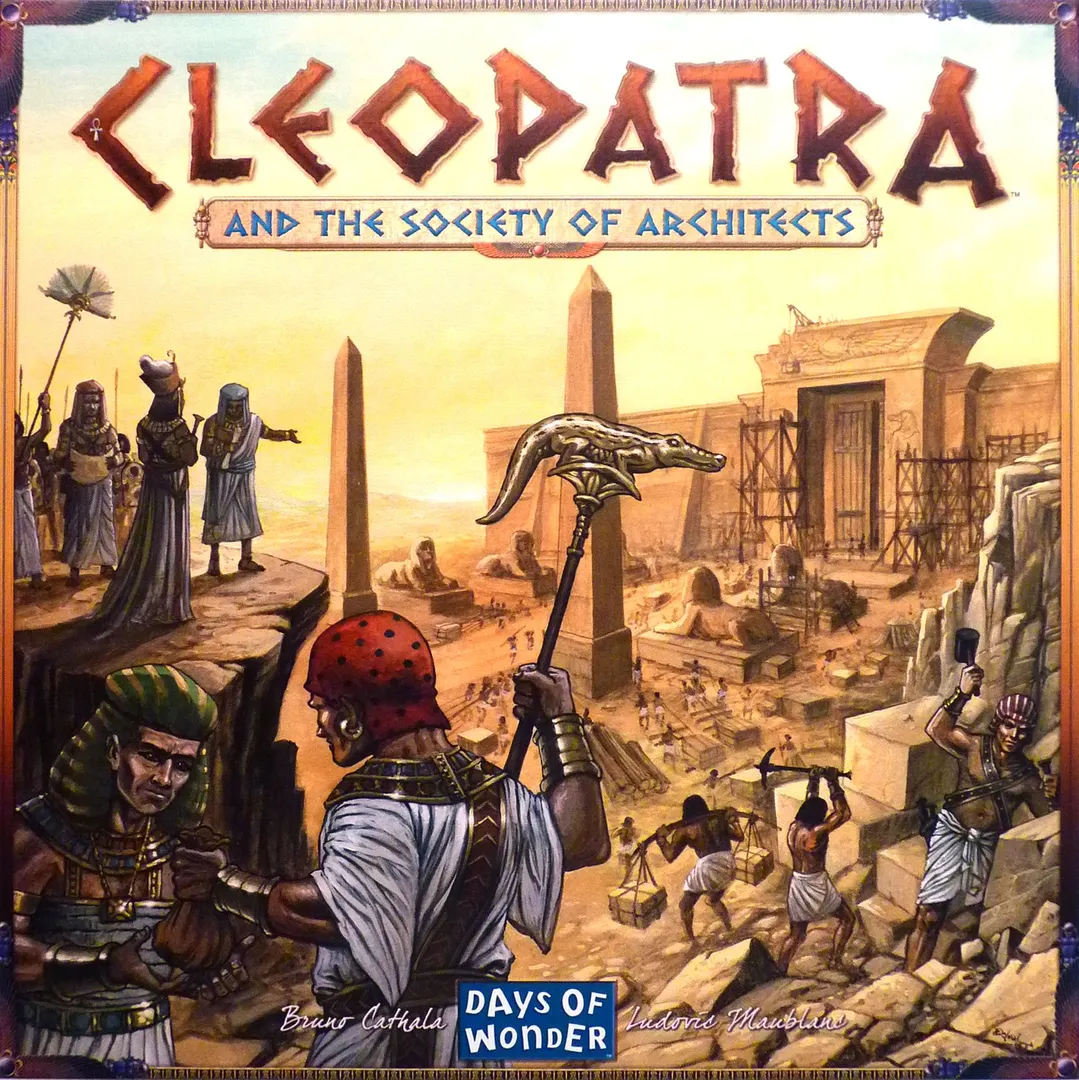
2006
Regelhilfe für Cleopatra and the Society of Architects
Verständliche Erklärungen zu Spielzügen, Karteneffekten und strittigen Situationen mit Verweisen auf offizielle Quellen und gespeichertem Fragenverlauf.
Für 3 Personen
Was möchtest du wissen?
Antworten stammen aus dem offiziellen Regelheft, mit Seitenangabe zum Nachprüfen.
Cleopatra and the Society of Architects ist ein Brettspiel aus dem Jahr 2006 für 3–5 Personen, mit 60 Minuten pro Partie und ab 10 Jahren. Entwickelt wurde es von Bruno Cathala und Ludovic Maublanc; die wichtigsten Mechaniken sind Hand Management, Set Collection und Auction / Bidding.

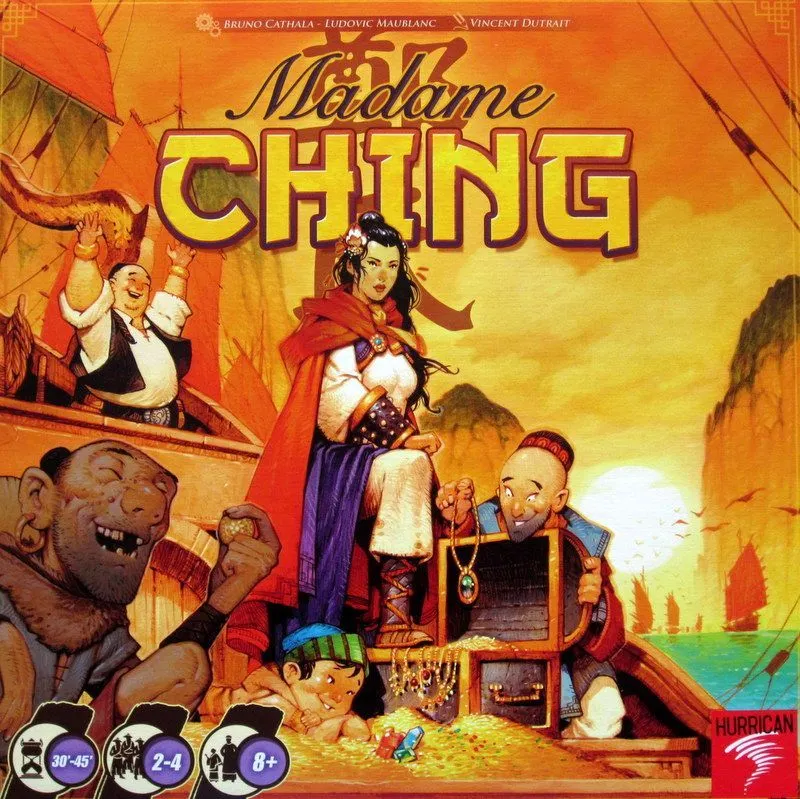

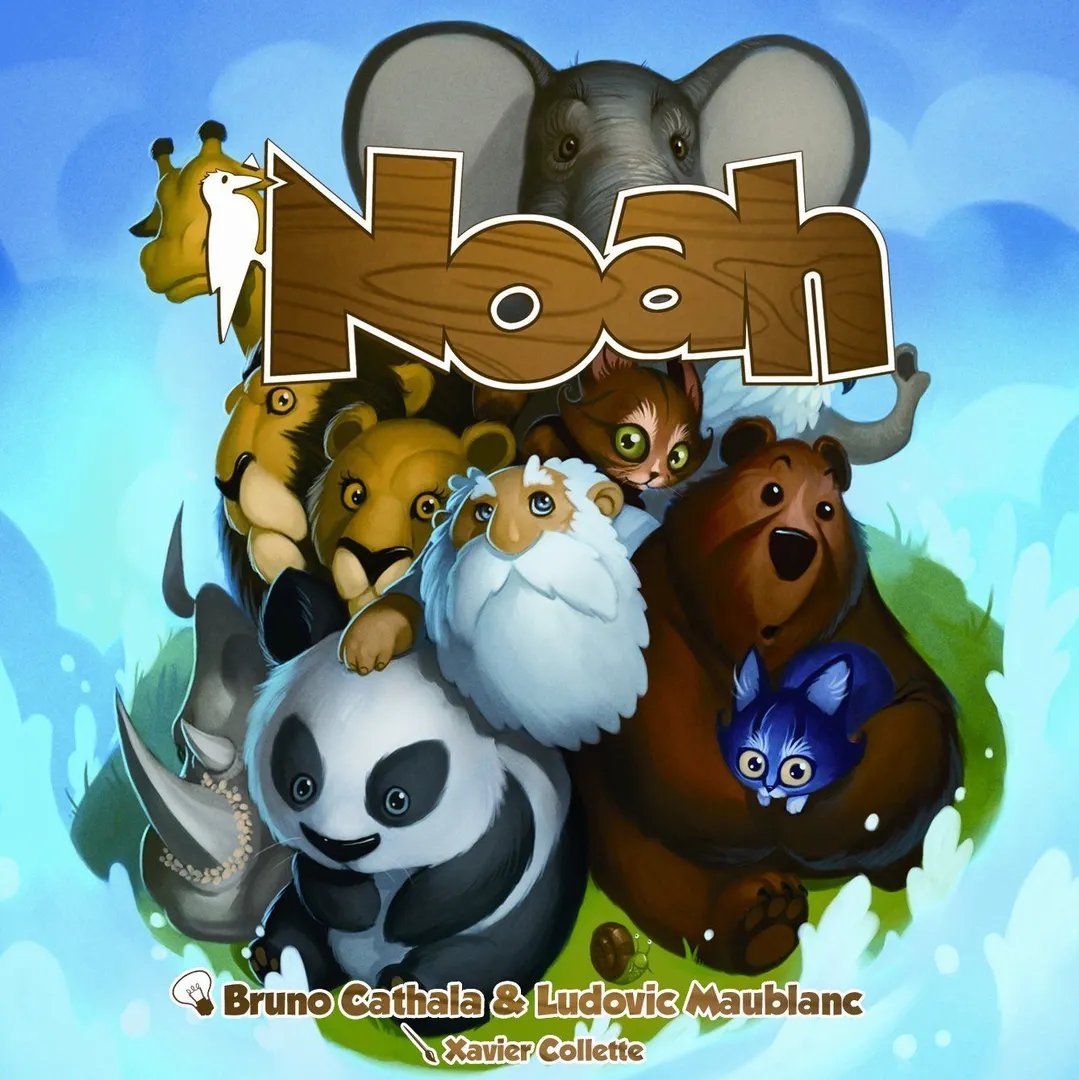


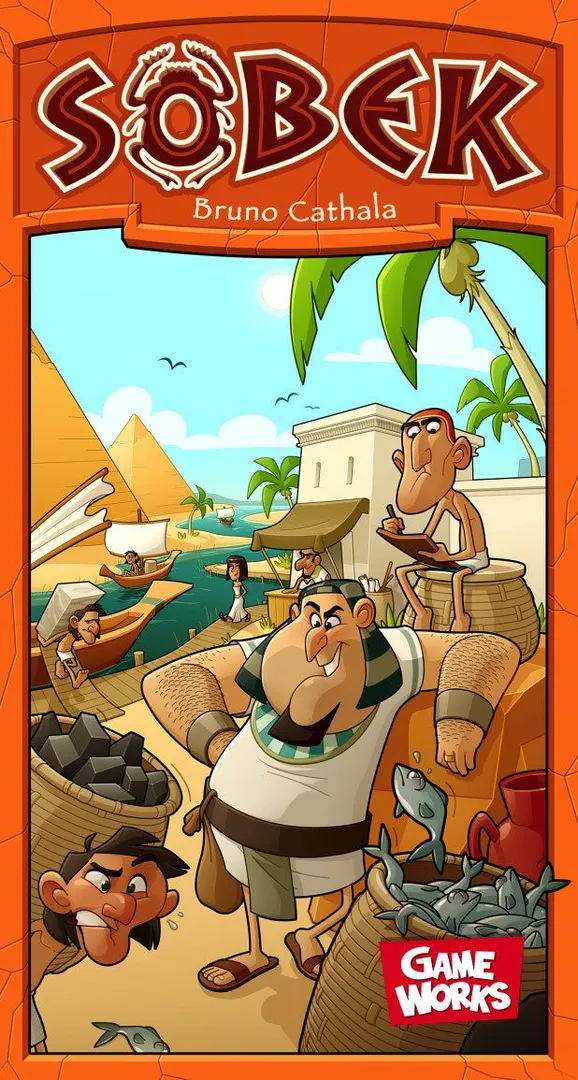


Auf Englisch
Designed by Bruno Cathala and Ludovic Maublanc, Cleopatra and the Society of Architects is a fun and engaging family game that includes a true, three-dimensional palace that players compete to build. Players strive to become the wealthiest of Cleopatra’s architects by constructing the most magnificent and valuable parts of her palace. Players, however, will be tempted to deal with shady characters and trade in materials of dubious origins in order to help them build faster. While these corrupt practices might allow an architect to stay a step ahead of the rest, they come with a high price – cursed Corruption Amulets honoring Sobek, the Crocodile-god. When Cleopatra finally strolls into her new palace, at the end of the game, the most corrupt architect (the one with the most amulets) will be seized and offered as a sacrifice to her sacred crocodile! Only then will the wealthiest architect, from among those still alive, be selected and declared the winner of the game. “The component design in Cleopatra is the most innovative we’ve undertaken to date,” said Days of Wonder CEO, Eric Hautemont. “While it’s still a board game, the dozens of 3D pieces – Column walls, Doorframes, Obelisks, Sphinxes, and Palace Throne – all create the sense that you’re constructing a royal palace.” “The game play really forces players into continually weighing the risks and rewards between taking enough corruption to enhance your position in the game, but not so much that you are forced out of the game at the end,” said the game’s co-designer, Bruno Cathala. “It’s a classic ‘push your luck’ dilemma that continually raises the tension level higher and higher until the game reaches its climax.” Description from the publisher.
Laut Katalog unterstützt Cleopatra and the Society of Architects 3–5 Personen. Diese Spanne entspricht der vom Verlag angegebenen Spielerzahl, das Spiel lässt sich also für jede Gruppengröße innerhalb dieser Spanne aufbauen. Aufbau, einzelne Regeln und Wertungsdetails können je nach Personenzahl trotzdem abweichen; prüfe daher die genaue Konfiguration in der Anleitung deiner Ausgabe.
Die angegebene Spieldauer für Cleopatra and the Society of Architects beträgt 60 Minuten. Das ist die Schätzung des Verlags für eine vollständige Partie. Die tatsächliche Dauer hängt von der Gruppe, der Personenzahl und der Regelkenntnis ab: Erste Partien dauern meist länger, erfahrene Gruppen sind oft schneller fertig. Aufbau und Regelerklärung sind in dieser Schätzung nicht enthalten.
Im Katalog wird Cleopatra and the Society of Architects ab 10 Jahren empfohlen. Das ist die Empfehlung des Verlags und berücksichtigt Leseanforderungen, Regelkomplexität und Kleinteile, nicht nur das Thema. Jüngere Kinder können oft mit Hilfe eines Erwachsenen mitspielen; beachte die Altersangabe deiner Ausgabe und die Brettspielerfahrung deiner Gruppe.
Cleopatra and the Society of Architects hat bei BoardGameGeek eine Komplexitätswertung von 2,3 von 5 und gilt damit als eher leichtes Spiel. Die Wertung zeigt, wie viel Regelwissen, Planung und Entscheidungen eine typische Partie verlangt. Schwerere Spiele brauchen bei der ersten Erklärung mehr Zeit, daher hilft vor dem Spieleabend eine Vorbereitungsanleitung.
Cleopatra and the Society of Architects gehört zu diesen Kategorien: Ancient. Die wichtigsten Mechaniken sind Hand Management, Set Collection und Auction / Bidding. Kategorien beschreiben Thema und Setting eines Spiels, Mechaniken dagegen, was die Spielenden in ihrem Zug tatsächlich tun. Jede Mechanik führt zu einer Katalogseite mit ähnlichen Spielen, falls du etwas Vergleichbares suchst.
Als Autoren von Cleopatra and the Society of Architects sind angegeben: Bruno Cathala und Ludovic Maublanc. Diese Angaben stammen aus den veröffentlichten Spieldaten und nennen die für das Spieldesign verantwortlichen Personen, nicht die Illustratoren oder Verlage. Die Autorenseiten auf MeepleRules sammeln weitere Titel derselben Autoren – praktisch, wenn dir ein Spiel gefällt und du ähnliche Spiele suchst.
Im Katalog ist Cleopatra and the Society of Architects als Grundspiel aufgeführt. Es lässt sich eigenständig mit dem Material aus der Schachtel spielen und benötigt keinen weiteren Titel. Erweiterungen, sofern es welche gibt, ergänzen neues Material oder neue Regeln und sind im Katalog separat mit einem Verweis auf dieses Grundspiel aufgeführt.