
- BGG-Rang
- BGG #2.880
- BGG-Bewertung
- 6,7
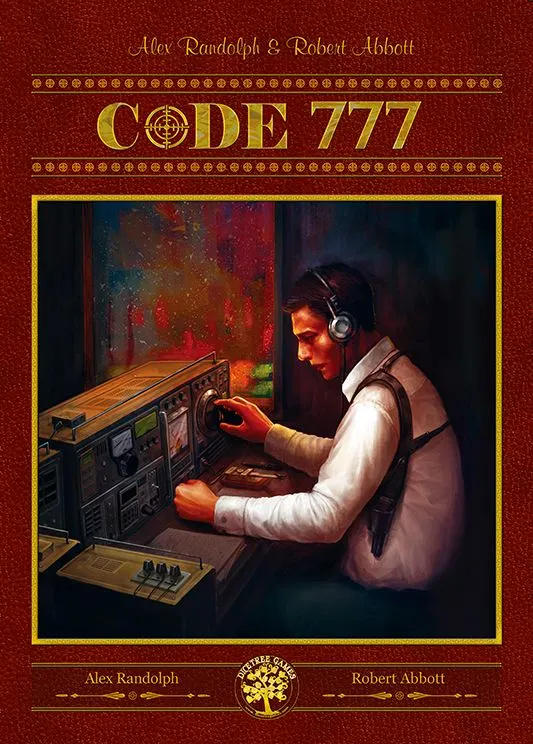
Code 777
- 2–5 Spieler
- 60 Min.
- Komplexität 2,3/5
- 1985
1992
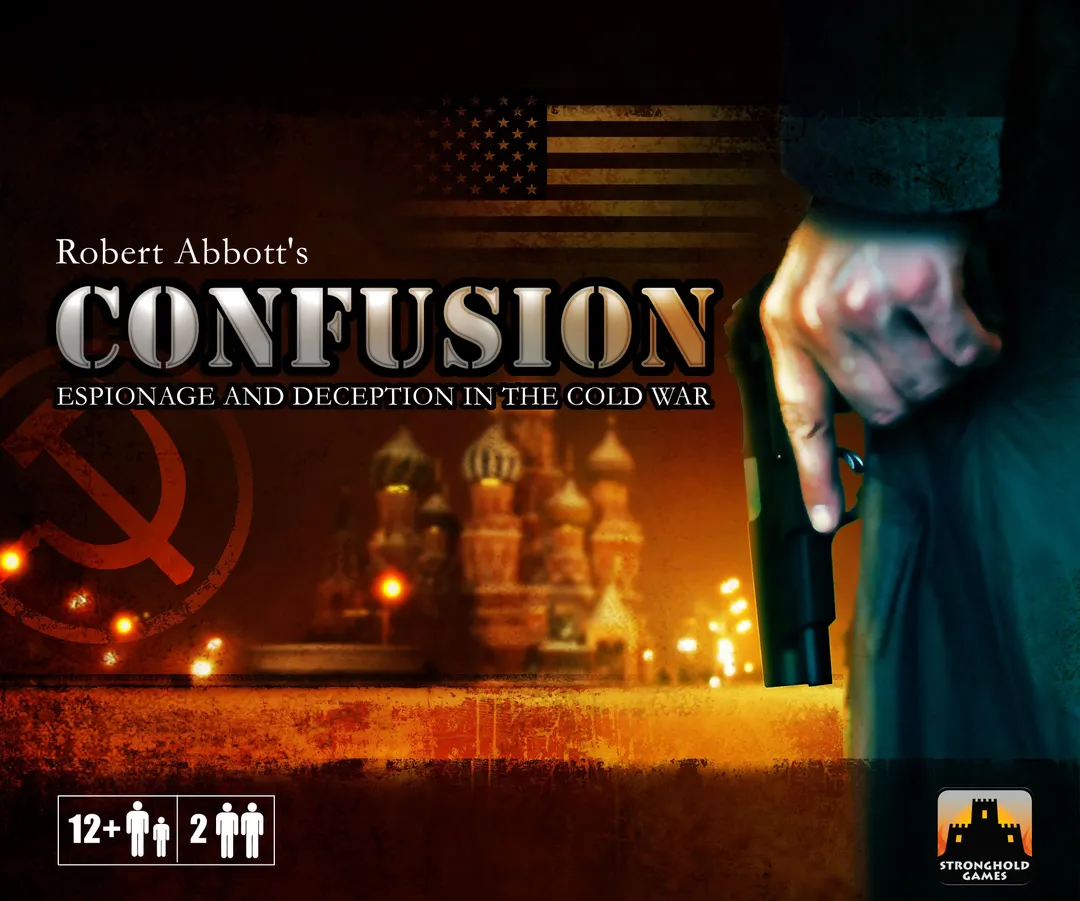
Regelhilfe für Confusion: Espionage and Deception in the Cold War
Verständliche Erklärungen zu Spielzügen, Karteneffekten und strittigen Situationen mit Verweisen auf offizielle Quellen und gespeichertem Fragenverlauf.
Für 2 Personen
Was möchtest du wissen?
Antworten stammen aus dem offiziellen Regelheft, mit Seitenangabe zum Nachprüfen.
Confusion: Espionage and Deception in the Cold War ist ein Brettspiel aus dem Jahr 1992 für 2 Personen, mit 30–45 Minuten pro Partie und ab 12 Jahren. Entwickelt wurde es von Robert Abbott; die wichtigsten Mechaniken sind Variable Set-up, Grid Movement und Pick-up and Deliver.






Auf Englisch
A strategic two-player abstract with a heavy deduction element. At the start of the game, neither player knows how their own pieces move. Via performing attempted moves, each player tries to deduce the movement of their own pieces. As you determine how to move your pieces, your goal is to capture the neutral piece, initially located in the center of the board, and deliver it to your opponent's side of the board. From the new Stronghold Games version, Confusion: Espionage and Deception in the Cold War: The Cold War. A dangerous time for the world. A dangerous time to be a spy... but that is exactly what being a spy is all about. As the shadowy clouds of intrigue and subterfuge settle across the globe you have been called upon by your country to obtain the Top Secret information that will ensure your country's safety and supremacy. But not all is as it seems; your spies are difficult to control on a global scale, and even worse, there's a Double Agent in your midst who threatens the entire mission! At the start of a game of Confusion, players aren't aware of the talents and skills their own spies possess! Your opponent can see what your spies can do, but you cannot. Your job as a wise leader is to first deduce exactly how each of your spies move, then employ your knowledge by using each spy for maximum effect. But be on alert, because your opponent has placed a double-agent in your team of spies! The first player to take the Top Secret Briefcase from the middle of the board and deliver it to his opponent's capital is the winner. Can you achieve your goals at the expense of your opponent, or will the entire operation collapse in a sea of Confusion? Confusion is game #1 in the Stronghold Games "Castle Line".
Laut Katalog unterstützt Confusion: Espionage and Deception in the Cold War 2 Personen. Das ist die vom Verlag angegebene Spielerzahl, das Spiel ist also genau für diese Anzahl von Mitspielenden ausgelegt. Varianten für andere Gruppengrößen sind, sofern vorhanden, in der Anleitung deiner Ausgabe beschrieben; prüfe sie, bevor du eine andere Konfiguration aufbaust.
Die angegebene Spieldauer für Confusion: Espionage and Deception in the Cold War beträgt 30–45 Minuten. Das ist die Schätzung des Verlags für eine vollständige Partie. Die tatsächliche Dauer hängt von der Gruppe, der Personenzahl und der Regelkenntnis ab: Erste Partien dauern meist länger, erfahrene Gruppen sind oft schneller fertig. Aufbau und Regelerklärung sind in dieser Schätzung nicht enthalten.
Im Katalog wird Confusion: Espionage and Deception in the Cold War ab 12 Jahren empfohlen. Das ist die Empfehlung des Verlags und berücksichtigt Leseanforderungen, Regelkomplexität und Kleinteile, nicht nur das Thema. Jüngere Kinder können oft mit Hilfe eines Erwachsenen mitspielen; beachte die Altersangabe deiner Ausgabe und die Brettspielerfahrung deiner Gruppe.
Confusion: Espionage and Deception in the Cold War hat bei BoardGameGeek eine Komplexitätswertung von 2,4 von 5 und gilt damit als eher leichtes Spiel. Die Wertung zeigt, wie viel Regelwissen, Planung und Entscheidungen eine typische Partie verlangt. Schwerere Spiele brauchen bei der ersten Erklärung mehr Zeit, daher hilft vor dem Spieleabend eine Vorbereitungsanleitung.
Confusion: Espionage and Deception in the Cold War gehört zu diesen Kategorien: Deduction, Abstract Strategy und Bluffing. Die wichtigsten Mechaniken sind Variable Set-up, Grid Movement und Pick-up and Deliver. Kategorien beschreiben Thema und Setting eines Spiels, Mechaniken dagegen, was die Spielenden in ihrem Zug tatsächlich tun. Jede Mechanik führt zu einer Katalogseite mit ähnlichen Spielen, falls du etwas Vergleichbares suchst.
Als Autoren von Confusion: Espionage and Deception in the Cold War sind angegeben: Robert Abbott. Diese Angaben stammen aus den veröffentlichten Spieldaten und nennen die für das Spieldesign verantwortlichen Personen, nicht die Illustratoren oder Verlage. Die Autorenseiten auf MeepleRules sammeln weitere Titel derselben Autoren – praktisch, wenn dir ein Spiel gefällt und du ähnliche Spiele suchst.
Im Katalog ist Confusion: Espionage and Deception in the Cold War als Grundspiel aufgeführt. Es lässt sich eigenständig mit dem Material aus der Schachtel spielen und benötigt keinen weiteren Titel. Erweiterungen, sofern es welche gibt, ergänzen neues Material oder neue Regeln und sind im Katalog separat mit einem Verweis auf dieses Grundspiel aufgeführt.