- BGG-Bewertung
- 6,5
Damask: Gamefound Expansion Cards
- 1–4 Spieler
- 15–60 Min.
- 2022
2022
Regelhilfe für Damask
Verständliche Erklärungen zu Spielzügen, Karteneffekten und strittigen Situationen mit Verweisen auf offizielle Quellen und gespeichertem Fragenverlauf.
Was möchtest du wissen?
Antworten stammen aus dem offiziellen Regelheft, mit Seitenangabe zum Nachprüfen.
Damask ist ein Brettspiel aus dem Jahr 2022 für 1–4 Personen, mit 30–60 Minuten pro Partie und ab 12 Jahren. Entwickelt wurde es von Barbara Burfoot; die wichtigsten Mechaniken sind Pattern Building und Open Drafting.







Auf Englisch
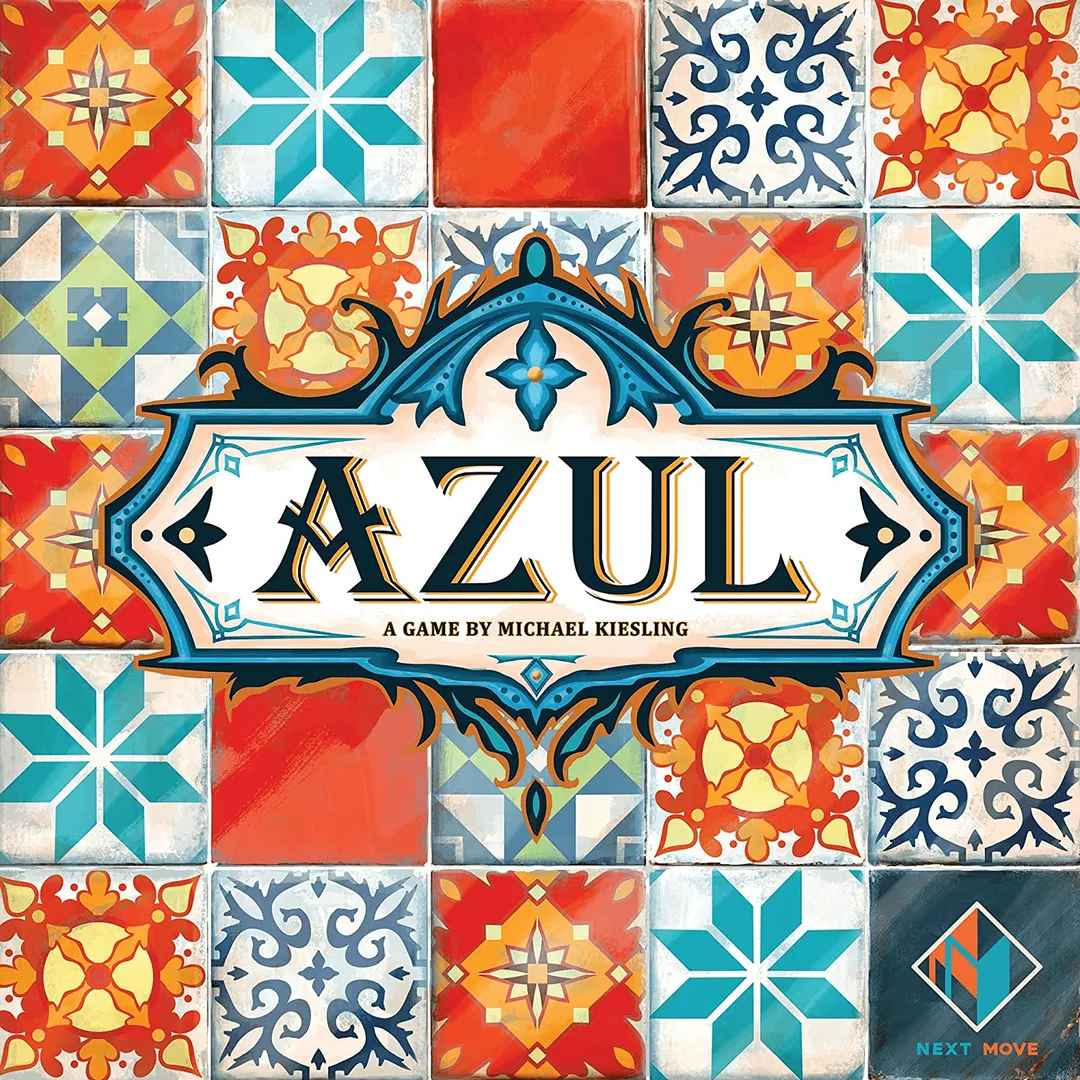
From the great trading center of Damascus, via the Silk Road, ancient weaving techniques and motifs made their way to the famous textile houses of Venice. Master weavers used draw looms to create richly woven fabrics that became known as damasks. For centuries, these luxurious silks lavished the wardrobes and halls of mansions and palaces across Europe. In Damask, players play the roles of these master weavers, trying to make the most money, while also gaining the favor of the Weavers' Guild. In more detail, the game includes 72 damask cards, with the damasks being two of six colors and one of four patterns; place 26 cubes (which come in six colors) at random on the spinning wheel, lay out a pattern and color card at random for each "season" that the game will be played (two in a short game, three in a normal one), then lay out six damask cards at random. Each player drafts a damask card, then you refill the display. On a turn, either you take a damask card and place it in front of you, or you draft cubes from the spinning wheel by choosing a cube, then going clockwise or counter-clockwise until you hit the second cube of any color. Collect all of those cubes, placing them on damask cards as you wish and keeping the remainder in your overstock. Each damask card requires three cubes of one color and two of another to complete. After the required action, you can take one of two optional actions: Take all cubes of one color from an opponent's overstock (with them receiving a guild favor in compensation), or mount a damask by returning the five cubes on it and standing it in your personal holder. You earn 1 coin when mounting a damask and 1 additional coin for each color or pattern it has that matches the previous damask you mounted, i.e., at most 4 coins. If a mounted damask also matches the season's color or pattern, you gain guild favors. Each guild favor has a color or pattern on it, and you can use them to mount damasks in place of missing cubes, replace damask cards available in the display, mount an additional damask, or avoid paying taxes for extraneous cubes left in your supply at the end of a season. Three guild favors are worth 1 coin at game's end, and in addition to coins earned during the game, you receive bonus coins at game's end for having all six colors or all four patterns among your mounted damasks. Whoever earns the most coins wins.
Laut Katalog unterstützt Damask 1–4 Personen. Diese Spanne entspricht der vom Verlag angegebenen Spielerzahl, das Spiel lässt sich also für jede Gruppengröße innerhalb dieser Spanne aufbauen. Aufbau, einzelne Regeln und Wertungsdetails können je nach Personenzahl trotzdem abweichen; prüfe daher die genaue Konfiguration in der Anleitung deiner Ausgabe.
Die angegebene Spieldauer für Damask beträgt 30–60 Minuten. Das ist die Schätzung des Verlags für eine vollständige Partie. Die tatsächliche Dauer hängt von der Gruppe, der Personenzahl und der Regelkenntnis ab: Erste Partien dauern meist länger, erfahrene Gruppen sind oft schneller fertig. Aufbau und Regelerklärung sind in dieser Schätzung nicht enthalten.
Im Katalog wird Damask ab 12 Jahren empfohlen. Das ist die Empfehlung des Verlags und berücksichtigt Leseanforderungen, Regelkomplexität und Kleinteile, nicht nur das Thema. Jüngere Kinder können oft mit Hilfe eines Erwachsenen mitspielen; beachte die Altersangabe deiner Ausgabe und die Brettspielerfahrung deiner Gruppe.
Damask hat bei BoardGameGeek eine Komplexitätswertung von 2,0 von 5 und gilt damit als eher leichtes Spiel. Die Wertung zeigt, wie viel Regelwissen, Planung und Entscheidungen eine typische Partie verlangt. Schwerere Spiele brauchen bei der ersten Erklärung mehr Zeit, daher hilft vor dem Spieleabend eine Vorbereitungsanleitung.
Die wichtigsten Mechaniken von Damask sind Pattern Building und Open Drafting. Mechaniken beschreiben, was die Spielenden in ihrem Zug tun, etwa würfeln, Karten draften oder Arbeiter einsetzen. Jede Mechanik führt zu einer Katalogseite mit ähnlichen Spielen, falls dir Damask gefallen hat und du etwas Vergleichbares suchst.
Als Autoren von Damask sind angegeben: Barbara Burfoot. Diese Angaben stammen aus den veröffentlichten Spieldaten und nennen die für das Spieldesign verantwortlichen Personen, nicht die Illustratoren oder Verlage. Die Autorenseiten auf MeepleRules sammeln weitere Titel derselben Autoren – praktisch, wenn dir ein Spiel gefällt und du ähnliche Spiele suchst.
Im Katalog ist Damask als Grundspiel aufgeführt. Es lässt sich eigenständig mit dem Material aus der Schachtel spielen und benötigt keinen weiteren Titel. Erweiterungen, sofern es welche gibt, ergänzen neues Material oder neue Regeln und sind im Katalog separat mit einem Verweis auf dieses Grundspiel aufgeführt.