
- BGG-Bewertung
- 8,3
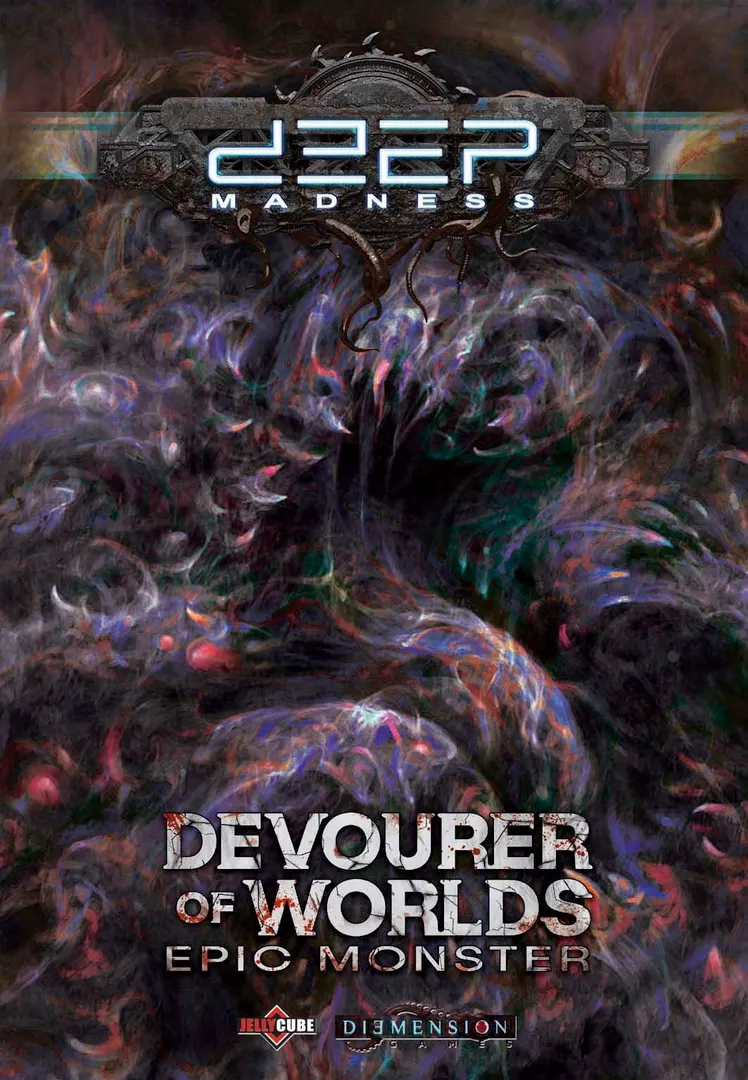
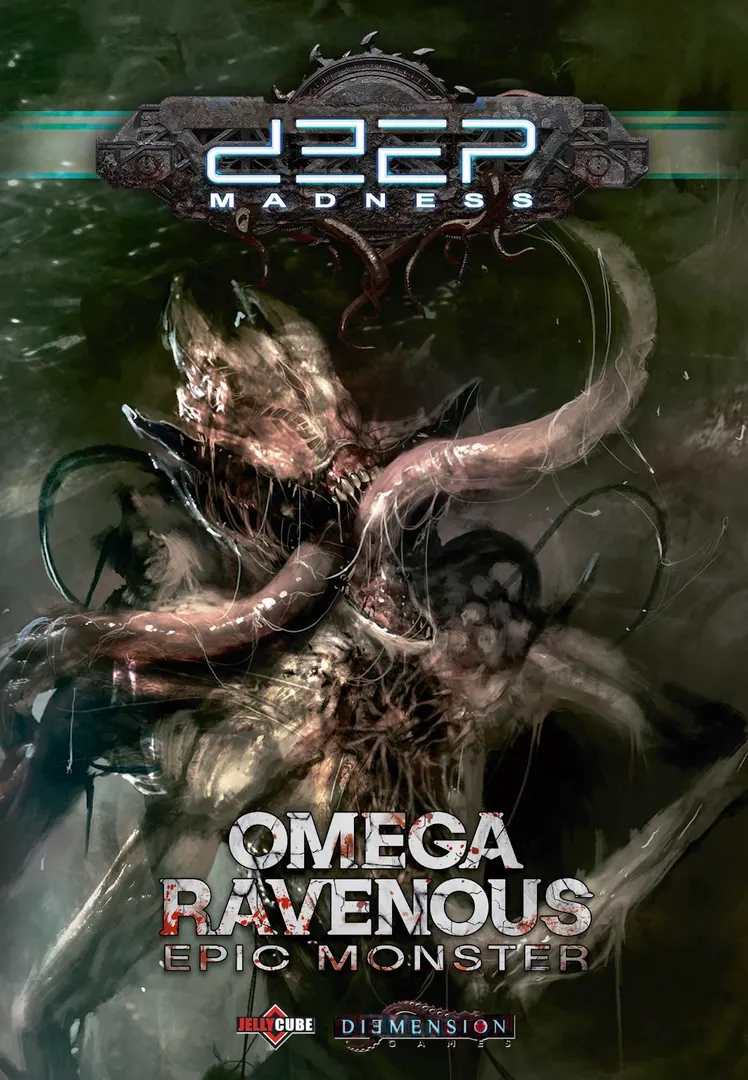
Deep Madness: Devourer of Worlds Epic Monster
- 1–6 Spieler
- 90–120 Min.
- Komplexität 3,0/5
- 2018
2018
Regelhilfe für Deep Madness
Verständliche Erklärungen zu Spielzügen, Karteneffekten und strittigen Situationen mit Verweisen auf offizielle Quellen und gespeichertem Fragenverlauf.
Für 1 Person
Was möchtest du wissen?
Antworten stammen aus dem offiziellen Regelheft, mit Seitenangabe zum Nachprüfen.
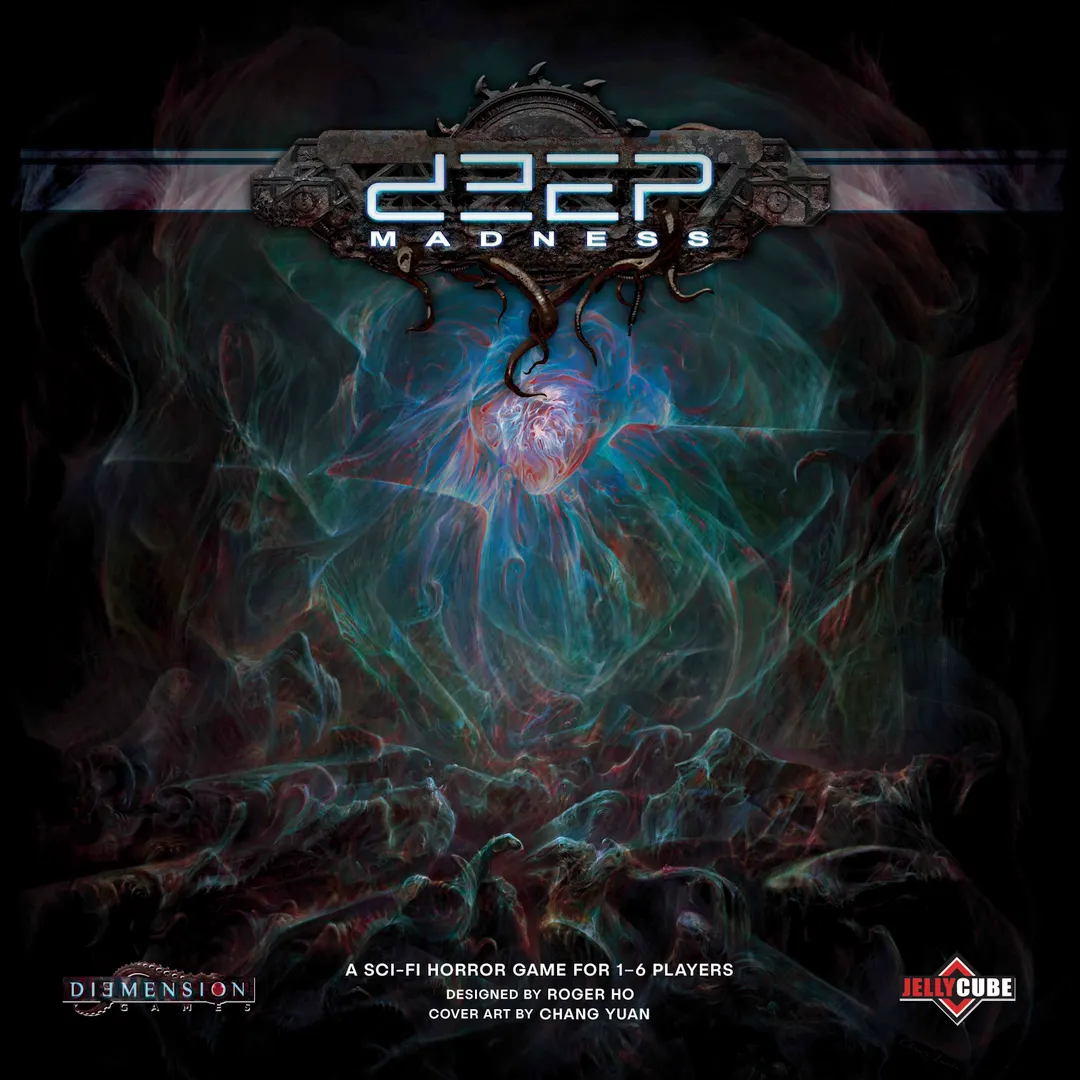
Deep Madness ist ein Brettspiel aus dem Jahr 2018 für 1–6 Personen, mit 60–120 Minuten pro Partie und ab 16 Jahren. Entwickelt wurde es von Roger Ho und Chauncey; die wichtigsten Mechaniken sind Variable Player Powers, Hand Management und Dice Rolling.

Auf Englisch
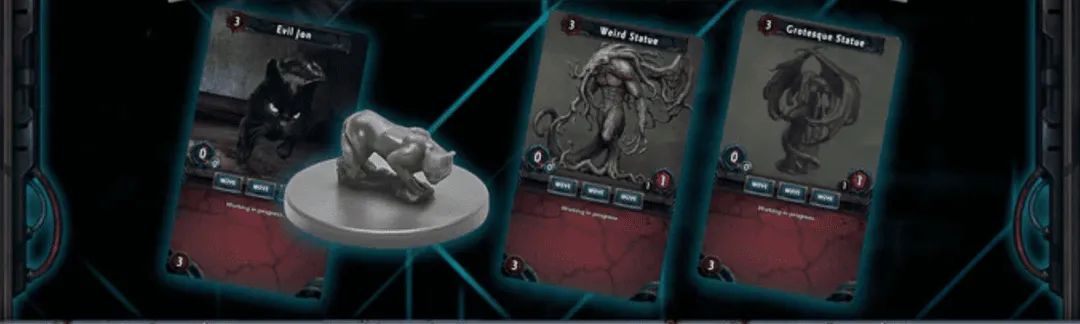
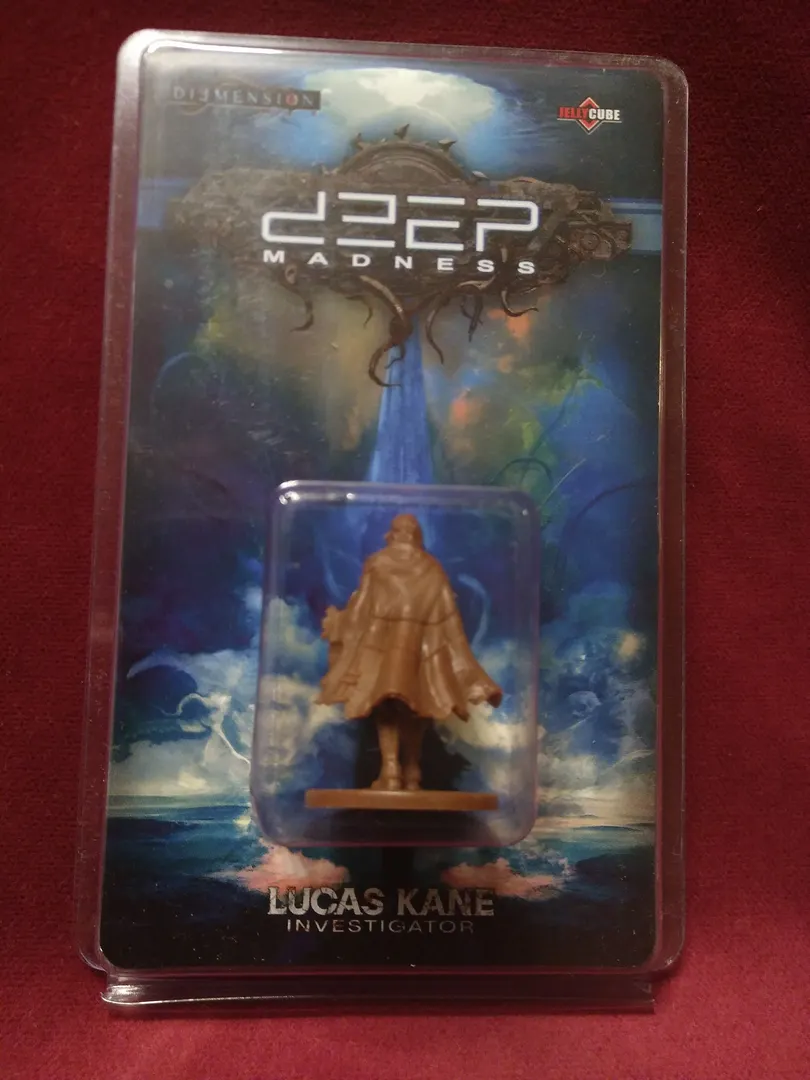
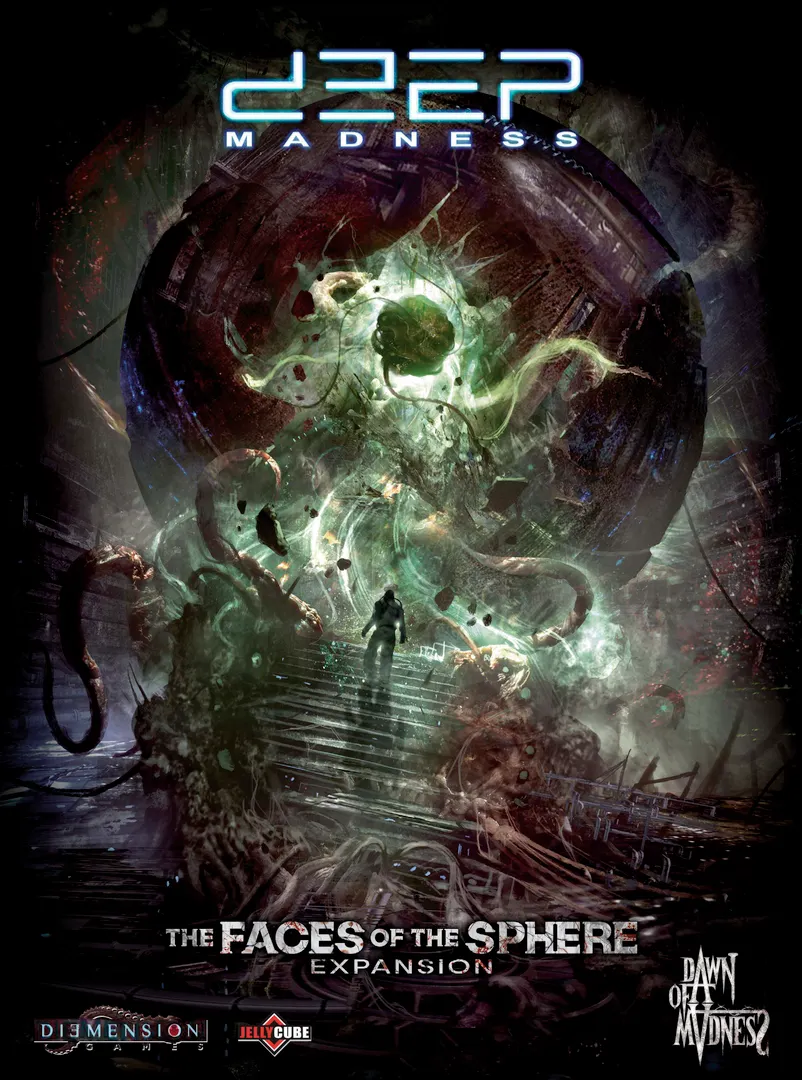
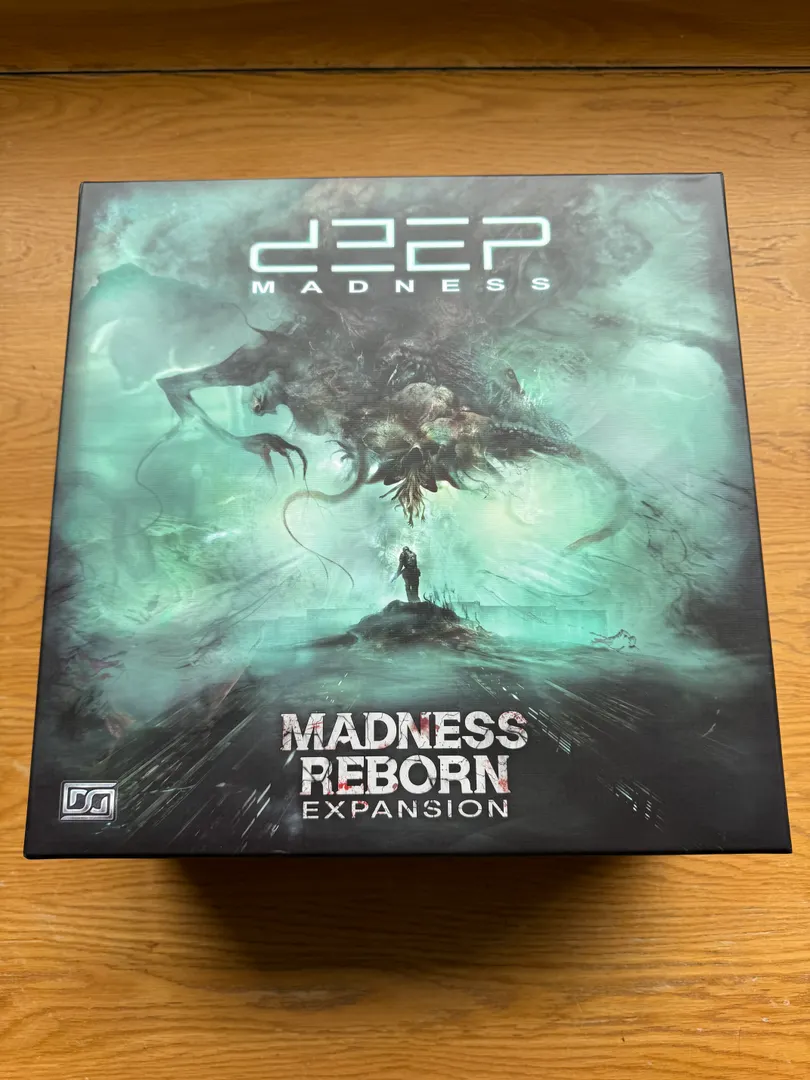
In a dark and claustrophobic deep sea mining site, the uncovering of a mysterious “Sphere” is dragging everyone nearby into the endless madness. The fears deep within one’s mind are amplified and transformed into horrifying monsters from other dimensions, torturing one's body and testing their sanity. Only those with extraordinary will and conviction can escape its devastating grasp. Deep Madness is a fully cooperative board game with 66 amazingly detailed miniatures, depicting a sci-fi horror world inspired by Lovecraft’s work and the Alien series. In the game, players assume the roles of investigators, venturing into the seemingly empty yet perilous deep sea mining site to find out the truth behind the lost contact event. Unimaginable horror and madness from the dark fear within is waiting. Deep Madness is based on multiple scenarios from a continuous storyline. Each scenario has its own unique board setup, rules, special effects, and goals. From resolving fatal crises to struggling with overwhelming bosses, the investigators will face various quests filled with strategical decisions and fierce combat. With each scenario achieved, they are one step closer to the truth, but also one step deeper into the world of madness. Each scenario of the game plays in a limited number of game rounds, if the investigators fail to achieve the goals before the last round ends, the game is lost and everyone is consumed. Each game round consists of 4 phases: Devour Phase, Spawn Phase, Activation Phase, and Refresh Phase. In each investigator’s turn, it is crucial that the player chooses 3 actions to take wisely. Each kind of action has its own value, and every single decision could be life and death in Deep Madness. Unfortunately, the correct decision is rarely obvious. Moving, attacking, searching, exchanging items, locking the doors, and recovering sanity are the basic actions. Additionally, each investigator also has his/her own unique and irreplaceable abilities to activate. Different combinations of investigators provide distinctive strategies and game experiences. Monsters act according to its own action pool during its turn. In Deep Madness, monsters are highly characteristic, not just in stats, but also in abilities and behaviors. Different combinations of monsters provide unique challenges. And due to the intertwined activation mechanism, even different turn orders of the monsters make each game session different.
Laut Katalog unterstützt Deep Madness 1–6 Personen. Diese Spanne entspricht der vom Verlag angegebenen Spielerzahl, das Spiel lässt sich also für jede Gruppengröße innerhalb dieser Spanne aufbauen. Aufbau, einzelne Regeln und Wertungsdetails können je nach Personenzahl trotzdem abweichen; prüfe daher die genaue Konfiguration in der Anleitung deiner Ausgabe.
Die angegebene Spieldauer für Deep Madness beträgt 60–120 Minuten. Das ist die Schätzung des Verlags für eine vollständige Partie. Die tatsächliche Dauer hängt von der Gruppe, der Personenzahl und der Regelkenntnis ab: Erste Partien dauern meist länger, erfahrene Gruppen sind oft schneller fertig. Aufbau und Regelerklärung sind in dieser Schätzung nicht enthalten.
Im Katalog wird Deep Madness ab 16 Jahren empfohlen. Das ist die Empfehlung des Verlags und berücksichtigt Leseanforderungen, Regelkomplexität und Kleinteile, nicht nur das Thema. Jüngere Kinder können oft mit Hilfe eines Erwachsenen mitspielen; beachte die Altersangabe deiner Ausgabe und die Brettspielerfahrung deiner Gruppe.
Deep Madness hat bei BoardGameGeek eine Komplexitätswertung von 3,5 von 5 und gilt damit als mittelschweres Spiel. Die Wertung zeigt, wie viel Regelwissen, Planung und Entscheidungen eine typische Partie verlangt. Schwerere Spiele brauchen bei der ersten Erklärung mehr Zeit, daher hilft vor dem Spieleabend eine Vorbereitungsanleitung.
Deep Madness gehört zu diesen Kategorien: Fighting, Horror und Adventure. Die wichtigsten Mechaniken sind Variable Player Powers, Hand Management und Dice Rolling. Kategorien beschreiben Thema und Setting eines Spiels, Mechaniken dagegen, was die Spielenden in ihrem Zug tatsächlich tun. Jede Mechanik führt zu einer Katalogseite mit ähnlichen Spielen, falls du etwas Vergleichbares suchst.
Als Autoren von Deep Madness sind angegeben: Roger Ho und Chauncey. Diese Angaben stammen aus den veröffentlichten Spieldaten und nennen die für das Spieldesign verantwortlichen Personen, nicht die Illustratoren oder Verlage. Die Autorenseiten auf MeepleRules sammeln weitere Titel derselben Autoren – praktisch, wenn dir ein Spiel gefällt und du ähnliche Spiele suchst.
Im Katalog ist Deep Madness als Grundspiel aufgeführt. Es lässt sich eigenständig mit dem Material aus der Schachtel spielen und benötigt keinen weiteren Titel. Erweiterungen, sofern es welche gibt, ergänzen neues Material oder neue Regeln und sind im Katalog separat mit einem Verweis auf dieses Grundspiel aufgeführt.