- BGG-Bewertung
- 6,1
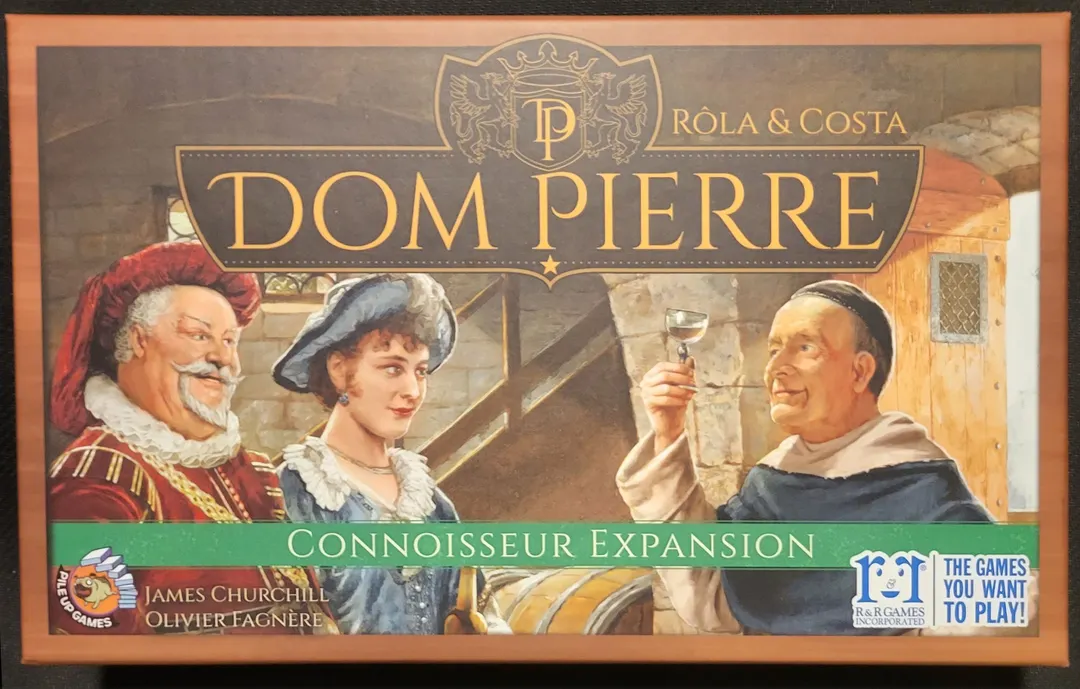
Dom Pierre: Connoisseur Expansion
- 2–4 Spieler
- 60–120 Min.
- 2022
2022
Regelhilfe für Dom Pierre
Verständliche Erklärungen zu Spielzügen, Karteneffekten und strittigen Situationen mit Verweisen auf offizielle Quellen und gespeichertem Fragenverlauf.
Für 2 Personen
Was möchtest du wissen?
Antworten stammen aus dem offiziellen Regelheft, mit Seitenangabe zum Nachprüfen.
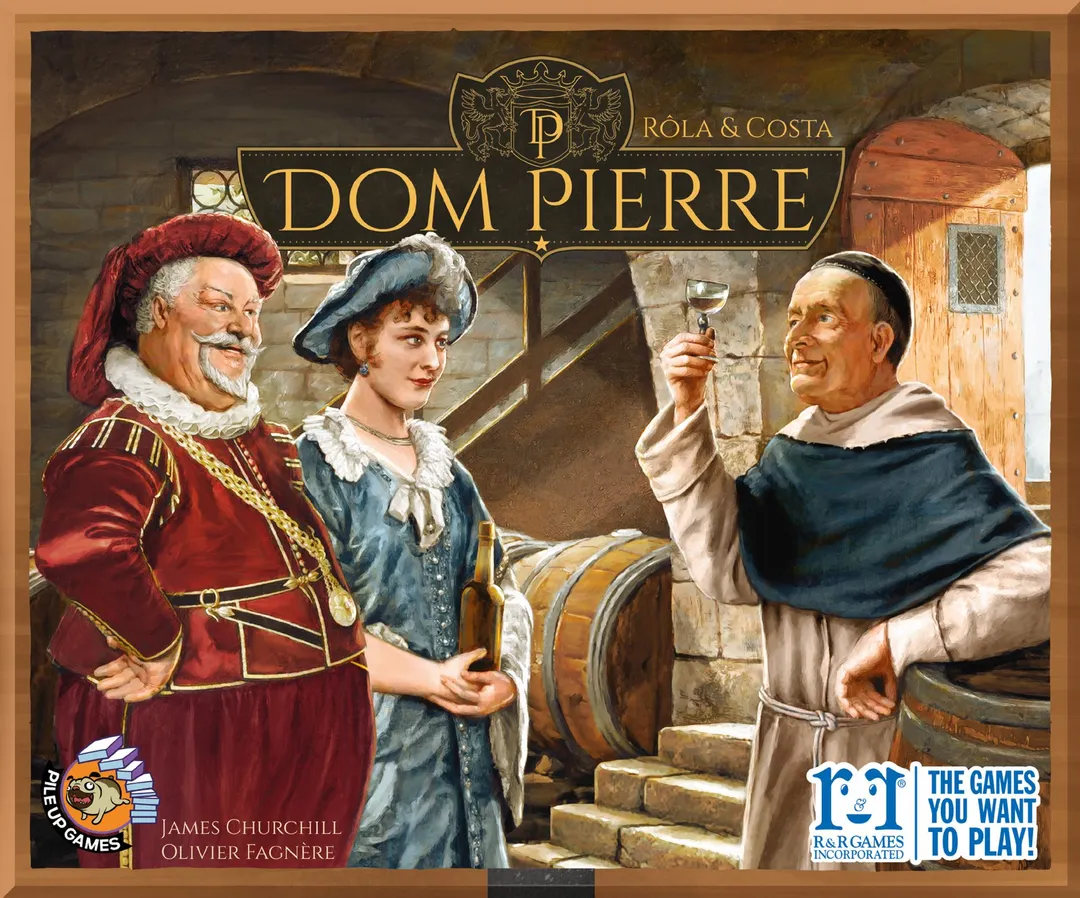
Dom Pierre ist ein Brettspiel aus dem Jahr 2022 für 2–4 Personen, mit 60–120 Minuten pro Partie und ab 12 Jahren. Entwickelt wurde es von Rôla und Costa; die wichtigsten Mechaniken sind Variable Player Powers, Action Points und Contracts.



Auf Englisch
At the end of the 17th century, a French Benedictine monk in charge of the cellar at Hautvillers Abbey made an important contribution to differentiate wines from that region. As a result, it became possible to produce wines of superior quality, particularly in white wines made from black grape varieties. While Dom Pierre Pérignon initially felt the sparkling of the wine was a negative feature, the consequent increase in both quality and quantity created the path that lead to the appreciation and recognition of champagne. Throughout the 18th century, several "champagne houses" — or Champagne Maisons — were founded, and a new business dynamic grew in the region. These houses replaced small farm and monastery production in leading the evolutionary process of champagne, and by planting more vineyards or buying grapes from other producers or both, they mastered the specialization. To promote their product, the houses hired sales agents to take samples of their champagne wines to the Royal Courts of Europe, a crucial factor in generating the glamorous fashion of drinking champagne. Despite production growth, improved quality, and increasing popularity, trade did not reach spectacular rates during the 19th century — which is why the game Dom Pierre is much more about winning prestige than earning money. In the game, you are responsible for one of the oldest Champagne Maisons, producing and selling wine all over Europe, not to mention the other side of the Atlantic. The local economy will be boosted, employment increased, and your brand will become universally recognized. To make all this happen will require a chain of actions that starts in your vineyard. You will need to look for continuous improvement, constantly react to your opponents, and optimize your choices to build the most prestigious Champagne Maison. In game terms, on a turn you move up a disc on the winery game board and perform an action, with the actions become more powerful as the game progresses. You will plant in the vineyards, harvest crops, buy grapes from neighbors, make wines in your cellar (some more valuable than others), allocate salespeople on four market routes and workers in the vineyard and cellar, and acquire the necessary accessories to improve production.
Laut Katalog unterstützt Dom Pierre 2–4 Personen. Diese Spanne entspricht der vom Verlag angegebenen Spielerzahl, das Spiel lässt sich also für jede Gruppengröße innerhalb dieser Spanne aufbauen. Aufbau, einzelne Regeln und Wertungsdetails können je nach Personenzahl trotzdem abweichen; prüfe daher die genaue Konfiguration in der Anleitung deiner Ausgabe.
Die angegebene Spieldauer für Dom Pierre beträgt 60–120 Minuten. Das ist die Schätzung des Verlags für eine vollständige Partie. Die tatsächliche Dauer hängt von der Gruppe, der Personenzahl und der Regelkenntnis ab: Erste Partien dauern meist länger, erfahrene Gruppen sind oft schneller fertig. Aufbau und Regelerklärung sind in dieser Schätzung nicht enthalten.
Im Katalog wird Dom Pierre ab 12 Jahren empfohlen. Das ist die Empfehlung des Verlags und berücksichtigt Leseanforderungen, Regelkomplexität und Kleinteile, nicht nur das Thema. Jüngere Kinder können oft mit Hilfe eines Erwachsenen mitspielen; beachte die Altersangabe deiner Ausgabe und die Brettspielerfahrung deiner Gruppe.
Dom Pierre hat bei BoardGameGeek eine Komplexitätswertung von 3,8 von 5 und gilt damit als schweres Spiel. Die Wertung zeigt, wie viel Regelwissen, Planung und Entscheidungen eine typische Partie verlangt. Schwerere Spiele brauchen bei der ersten Erklärung mehr Zeit, daher hilft vor dem Spieleabend eine Vorbereitungsanleitung.
Dom Pierre gehört zu diesen Kategorien: Economic und Farming. Die wichtigsten Mechaniken sind Variable Player Powers, Action Points und Contracts. Kategorien beschreiben Thema und Setting eines Spiels, Mechaniken dagegen, was die Spielenden in ihrem Zug tatsächlich tun. Jede Mechanik führt zu einer Katalogseite mit ähnlichen Spielen, falls du etwas Vergleichbares suchst.
Als Autoren von Dom Pierre sind angegeben: Rôla und Costa. Diese Angaben stammen aus den veröffentlichten Spieldaten und nennen die für das Spieldesign verantwortlichen Personen, nicht die Illustratoren oder Verlage. Die Autorenseiten auf MeepleRules sammeln weitere Titel derselben Autoren – praktisch, wenn dir ein Spiel gefällt und du ähnliche Spiele suchst.
Im Katalog ist Dom Pierre als Grundspiel aufgeführt. Es lässt sich eigenständig mit dem Material aus der Schachtel spielen und benötigt keinen weiteren Titel. Erweiterungen, sofern es welche gibt, ergänzen neues Material oder neue Regeln und sind im Katalog separat mit einem Verweis auf dieses Grundspiel aufgeführt.