
- BGG-Rang
- BGG #285
- BGG-Bewertung
- 7,6
Near and Far
- 2–4 Spieler
- 90–120 Min.
- Komplexität 2,9/5
- 2017
2022
Regelhilfe für First Ascent
Verständliche Erklärungen zu Spielzügen, Karteneffekten und strittigen Situationen mit Verweisen auf offizielle Quellen und gespeichertem Fragenverlauf.
Für 2 Personen
Was möchtest du wissen?
Antworten stammen aus dem offiziellen Regelheft, mit Seitenangabe zum Nachprüfen.
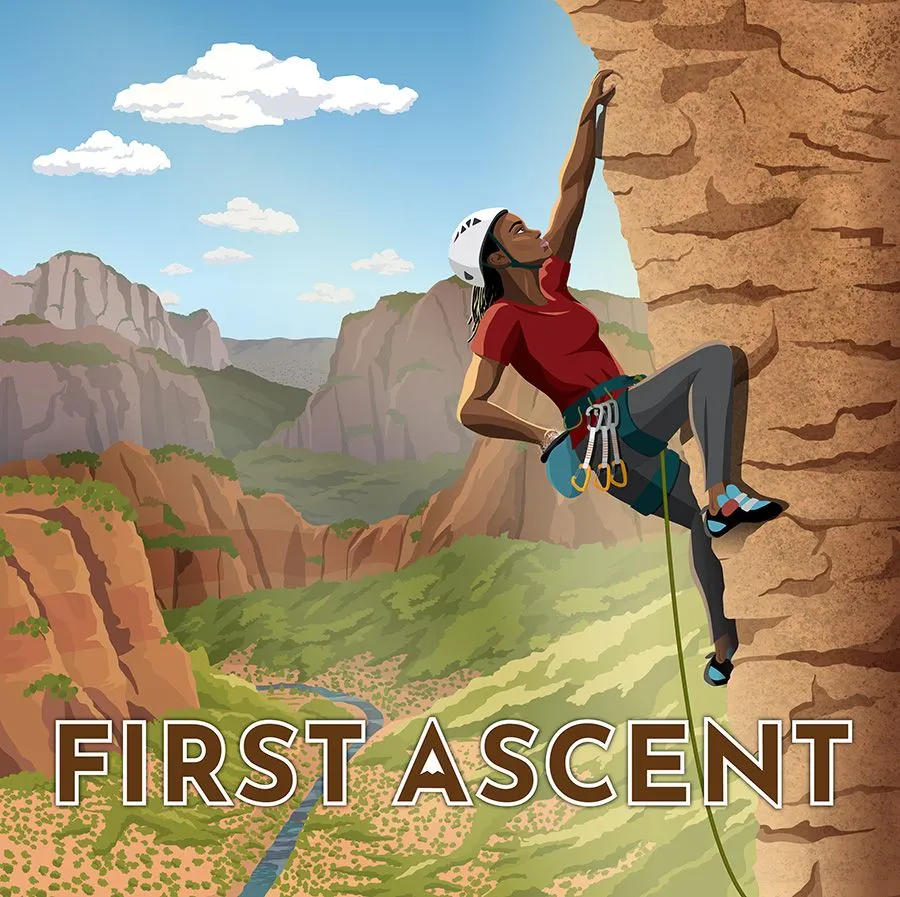
First Ascent ist ein Brettspiel aus dem Jahr 2022 für 2–5 Personen, mit 45–90 Minuten pro Partie und ab 14 Jahren. Entwickelt wurde es von Kate Otte; die wichtigsten Mechaniken sind Variable Player Powers, Hand Management und Set Collection.






Auf Englisch
First Ascent is a rock climbing-themed strategic board game. The goal in this medium weight, competitive game is to gain the most points by climbing the best route up the mountain and becoming the most skilled climber! Each player assumes the role of a unique asymmetric character, and throughout the game they will be building their route up the mountain, managing resources, achieving objectives, and increasing their efficiency by accumulating skills and gear! This game is for 2-5 players and takes 45-90 minutes to play. Gameplay overview: In First Ascent, the goal is to gain the most points by creating the best route! Points are gained in four ways: 1) Climbing pitches — use your climbing skills, gear, water, and psych to pay the requirements to move on to a tile "climb the pitch". Draw a climbing card and resolve the events that may involve resource management, board manipulation, or selfish vs altruistic decisions. Each tile is worth 1-5 points with higher point value tiles requiring more resources. 2) Objectives — achieve shared and personal objectives that relate to the path of your route. Plan carefully and manage resources to execute the path that will contribute towards achieving your objectives. 3) Technique bonuses — the climbing skills and gear cards contain symbols representing climbing techniques of precision, power, balance, and pain tolerance. Match three technique symbols on the cards you play to climb a tile and earn +2 bonus points. These can add up significantly, so choose your resources wisely. 4) Summit — reaching the top of the mountain is great, but climbing is about the journey. Gain +1 summit bonus point for reaching a peak. If you don't have the required resources to climb, you can "risk it" by rolling the risk dice to climb a tile for one less resource. You may get away with a check mark and succeed without consequence, roll minus two cards and give them to another player, or roll minus one card and one psych which you give to another player. As long as you have the assets to lose, you will climb the tile, but at a price. When you begin to ascend the mountain start in any tile on the first row. Next climb to any adjacent tile and leave your rope behind to mark the route you've climbed. Two climbers can not occupy the same tile, except for a summit, so you may compete with other climbers on the mountain for the prime locations. As you climb the mountain you will practice your skills and become a more efficient climber. The engine building component of this game grants you an "earned asset" after you play four cards of a specific skill type or gear. These tokens stay on your climber asset board and count towards fulfilling the required assets of future tiles. This isn't a race to the top, its about creating a strategic route that will reward your cunning and planning. The game ends when a player has used all seven rope lengths and climbed their eighth tile. Do you have what it takes to create the greatest First Ascent?
Laut Katalog unterstützt First Ascent 2–5 Personen. Diese Spanne entspricht der vom Verlag angegebenen Spielerzahl, das Spiel lässt sich also für jede Gruppengröße innerhalb dieser Spanne aufbauen. Aufbau, einzelne Regeln und Wertungsdetails können je nach Personenzahl trotzdem abweichen; prüfe daher die genaue Konfiguration in der Anleitung deiner Ausgabe.
Die angegebene Spieldauer für First Ascent beträgt 45–90 Minuten. Das ist die Schätzung des Verlags für eine vollständige Partie. Die tatsächliche Dauer hängt von der Gruppe, der Personenzahl und der Regelkenntnis ab: Erste Partien dauern meist länger, erfahrene Gruppen sind oft schneller fertig. Aufbau und Regelerklärung sind in dieser Schätzung nicht enthalten.
Im Katalog wird First Ascent ab 14 Jahren empfohlen. Das ist die Empfehlung des Verlags und berücksichtigt Leseanforderungen, Regelkomplexität und Kleinteile, nicht nur das Thema. Jüngere Kinder können oft mit Hilfe eines Erwachsenen mitspielen; beachte die Altersangabe deiner Ausgabe und die Brettspielerfahrung deiner Gruppe.
First Ascent hat bei BoardGameGeek eine Komplexitätswertung von 2,9 von 5 und gilt damit als eher leichtes Spiel. Die Wertung zeigt, wie viel Regelwissen, Planung und Entscheidungen eine typische Partie verlangt. Schwerere Spiele brauchen bei der ersten Erklärung mehr Zeit, daher hilft vor dem Spieleabend eine Vorbereitungsanleitung.
First Ascent gehört zu diesen Kategorien: Humor, Adventure und Environmental. Die wichtigsten Mechaniken sind Variable Player Powers, Hand Management und Set Collection. Kategorien beschreiben Thema und Setting eines Spiels, Mechaniken dagegen, was die Spielenden in ihrem Zug tatsächlich tun. Jede Mechanik führt zu einer Katalogseite mit ähnlichen Spielen, falls du etwas Vergleichbares suchst.
Als Autoren von First Ascent sind angegeben: Kate Otte. Diese Angaben stammen aus den veröffentlichten Spieldaten und nennen die für das Spieldesign verantwortlichen Personen, nicht die Illustratoren oder Verlage. Die Autorenseiten auf MeepleRules sammeln weitere Titel derselben Autoren – praktisch, wenn dir ein Spiel gefällt und du ähnliche Spiele suchst.
Im Katalog ist First Ascent als Grundspiel aufgeführt. Es lässt sich eigenständig mit dem Material aus der Schachtel spielen und benötigt keinen weiteren Titel. Erweiterungen, sofern es welche gibt, ergänzen neues Material oder neue Regeln und sind im Katalog separat mit einem Verweis auf dieses Grundspiel aufgeführt.