
- BGG-Rang
- BGG #487
- BGG-Bewertung
- 7,3
The Pillars of the Earth
- 2–4 Spieler
- 90–120 Min.
- Komplexität 2,8/5
- 2006
2011
Regelhilfe für Fortuna
Verständliche Erklärungen zu Spielzügen, Karteneffekten und strittigen Situationen mit Verweisen auf offizielle Quellen und gespeichertem Fragenverlauf.
Für 2 Personen
Was möchtest du wissen?
Antworten stammen aus dem offiziellen Regelheft, mit Seitenangabe zum Nachprüfen.
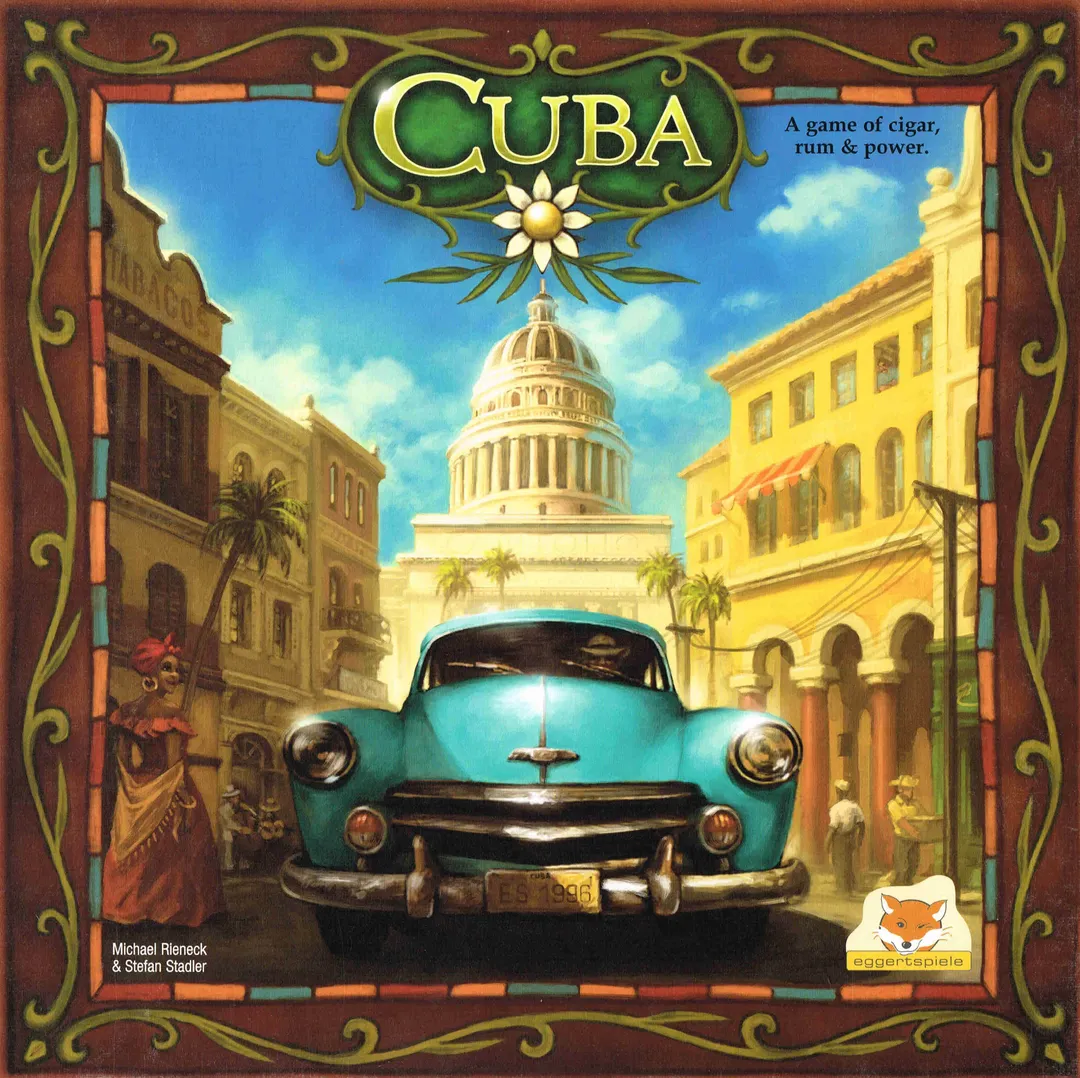
Fortuna ist ein Brettspiel aus dem Jahr 2011 für 2–4 Personen, mit 60 Minuten pro Partie und ab 10 Jahren. Entwickelt wurde es von Michael Rieneck und Stefan Stadler; die wichtigsten Mechaniken sind Hand Management, Dice Rolling und Point to Point Movement.


Auf Englisch
Fortuna is situated in the Roman Empire, during Caesar's reign. The players are ambitious Romans striving for influence in the Roman Empire. While striving for power, happiness and wealth, they leave their own village and travel towards the City of Rome. The road to Rome is long and there are many ways to reach your life purpose. As a hardworking farmer you can work the land and grow large quantities of grain and wine. A clever farmer irrigates the land to improve the yield of his harvest. Trading your harvested goods for the best price may bring you the means to move up the ladder of the Roman hierarchy. When will you decide to move on and buy yourself an army of Centurions? Or will you choose the sacred way of Religion and serve the ruthless Roman Gods? Along the way, you will have the opportunity to find happiness and wealth in marriage. Will you take this chance to become happy or not? If you contribute well to the Roman Empire, you will grow in the favor of the Emperor and move further to Rome. Will the citizens of Rome welcome you jubilantly? Coming nearer to Rome and the Emperor's Palace the tension in the game becomes higher. Which of the players has contributed most to the Empire? And which of the players has saved the city in times of crisis? Just when water and food supplies become exhausted or Centurions are needed to protect Rome against a hostile invasion, only the most prestigious Romans show their courage and value. The Emperor will reward this Roman with golden Fortuna coins, and the deeper the crisis, the richer the reward. When a player has reached the centre of Rome, only the player who has done most for the Emperor and the People of Rome will become Victorious. Make sure to be in the City of Rome so you are able to take that triumphal march to Victory! How to win the game? The player with the highest number of Victory Points at the end of the game wins. The game ends when one player gets to the Center of Rome (the Palace of the Emperor), then this final round is completed. Scoring in the game is partly based on the number of steps you have made towards Rome = each step is one VP. The other Victory Points are scored by collecting the right combination of privilege cards and resources. The VP scored with the privately held privilege cards stays a secret till the end of the game when the total scoring is revealed.
Laut Katalog unterstützt Fortuna 2–4 Personen. Diese Spanne entspricht der vom Verlag angegebenen Spielerzahl, das Spiel lässt sich also für jede Gruppengröße innerhalb dieser Spanne aufbauen. Aufbau, einzelne Regeln und Wertungsdetails können je nach Personenzahl trotzdem abweichen; prüfe daher die genaue Konfiguration in der Anleitung deiner Ausgabe.
Die angegebene Spieldauer für Fortuna beträgt 60 Minuten. Das ist die Schätzung des Verlags für eine vollständige Partie. Die tatsächliche Dauer hängt von der Gruppe, der Personenzahl und der Regelkenntnis ab: Erste Partien dauern meist länger, erfahrene Gruppen sind oft schneller fertig. Aufbau und Regelerklärung sind in dieser Schätzung nicht enthalten.
Im Katalog wird Fortuna ab 10 Jahren empfohlen. Das ist die Empfehlung des Verlags und berücksichtigt Leseanforderungen, Regelkomplexität und Kleinteile, nicht nur das Thema. Jüngere Kinder können oft mit Hilfe eines Erwachsenen mitspielen; beachte die Altersangabe deiner Ausgabe und die Brettspielerfahrung deiner Gruppe.
Fortuna hat bei BoardGameGeek eine Komplexitätswertung von 2,4 von 5 und gilt damit als eher leichtes Spiel. Die Wertung zeigt, wie viel Regelwissen, Planung und Entscheidungen eine typische Partie verlangt. Schwerere Spiele brauchen bei der ersten Erklärung mehr Zeit, daher hilft vor dem Spieleabend eine Vorbereitungsanleitung.
Fortuna gehört zu diesen Kategorien: Ancient. Die wichtigsten Mechaniken sind Hand Management, Dice Rolling und Point to Point Movement. Kategorien beschreiben Thema und Setting eines Spiels, Mechaniken dagegen, was die Spielenden in ihrem Zug tatsächlich tun. Jede Mechanik führt zu einer Katalogseite mit ähnlichen Spielen, falls du etwas Vergleichbares suchst.
Als Autoren von Fortuna sind angegeben: Michael Rieneck und Stefan Stadler. Diese Angaben stammen aus den veröffentlichten Spieldaten und nennen die für das Spieldesign verantwortlichen Personen, nicht die Illustratoren oder Verlage. Die Autorenseiten auf MeepleRules sammeln weitere Titel derselben Autoren – praktisch, wenn dir ein Spiel gefällt und du ähnliche Spiele suchst.
Im Katalog ist Fortuna als Grundspiel aufgeführt. Es lässt sich eigenständig mit dem Material aus der Schachtel spielen und benötigt keinen weiteren Titel. Erweiterungen, sofern es welche gibt, ergänzen neues Material oder neue Regeln und sind im Katalog separat mit einem Verweis auf dieses Grundspiel aufgeführt.