
- BGG-Rang
- BGG #4.215
- BGG-Bewertung
- 6,9
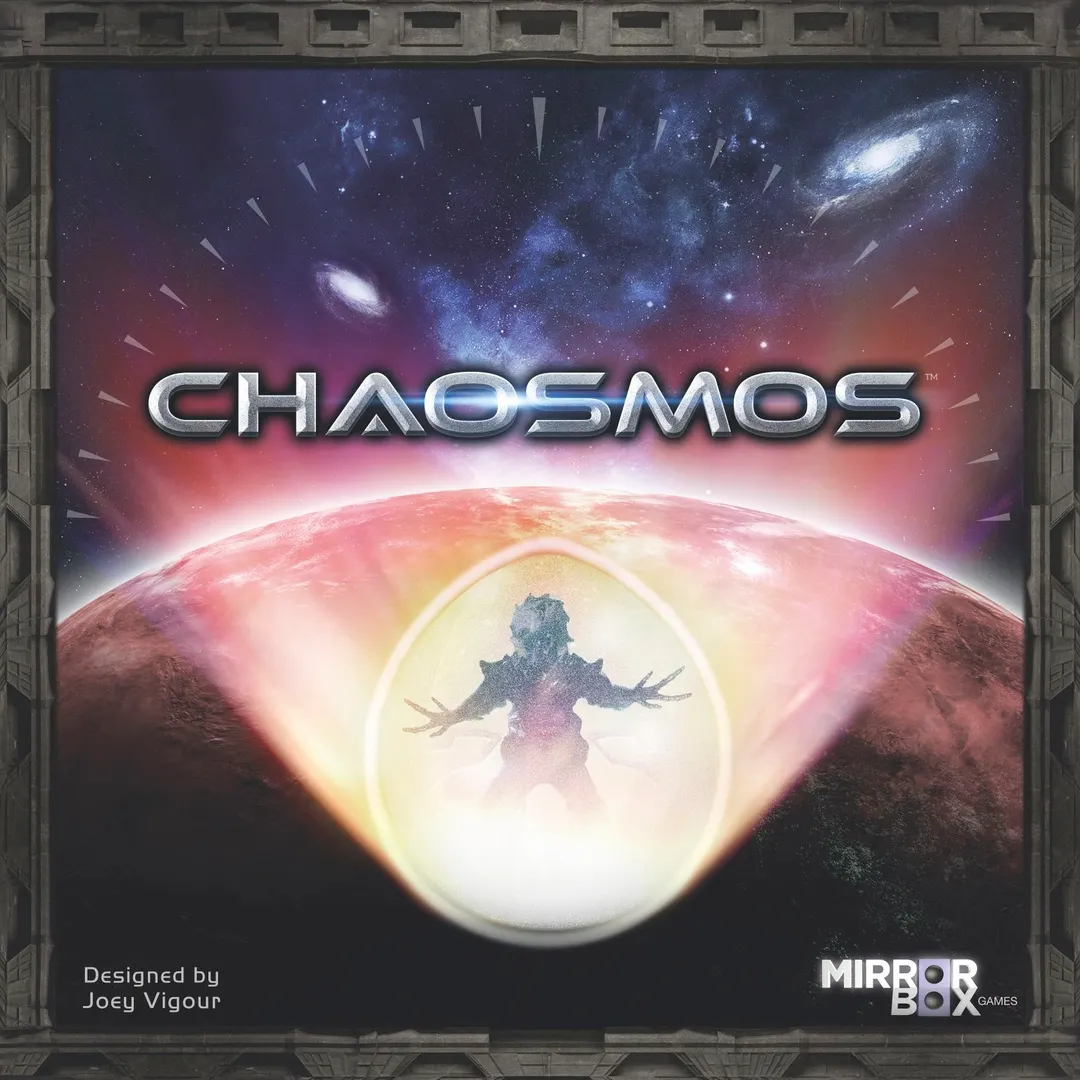
Chaosmos
- 2–4 Spieler
- 60–90 Min.
- Komplexität 2,7/5
- 2015
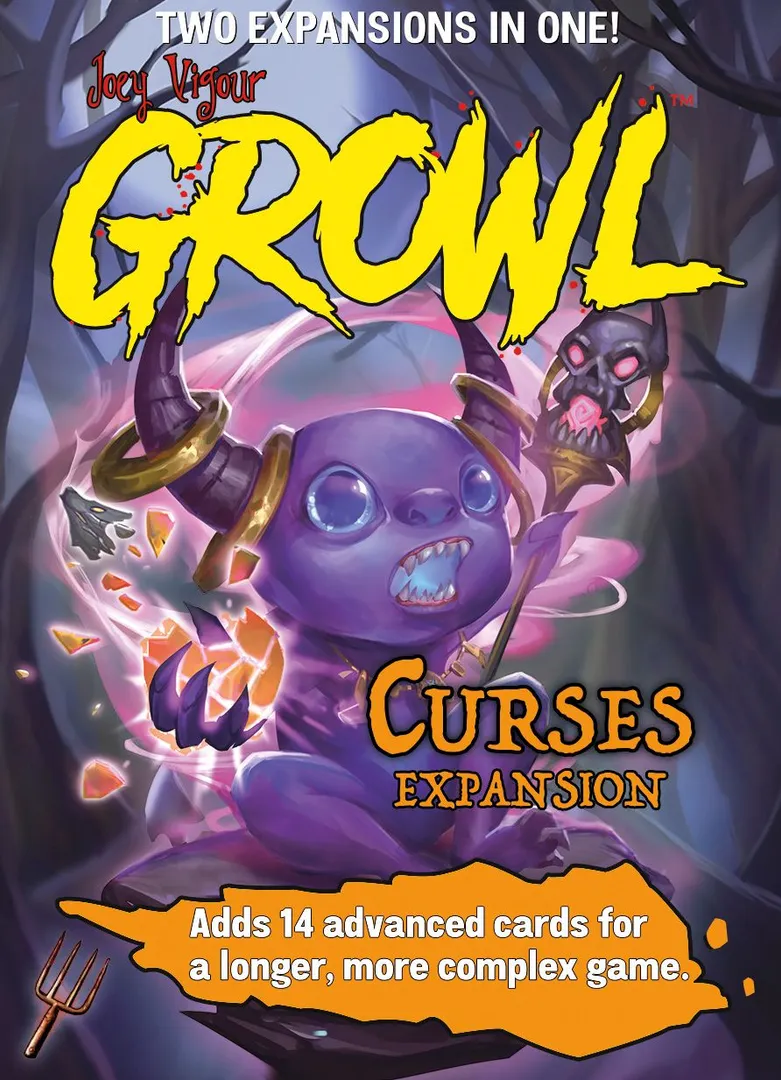
Regelhilfe für GROWL: Curses + Spells
Verständliche Erklärungen zu Spielzügen, Karteneffekten und strittigen Situationen mit Verweisen auf offizielle Quellen und gespeichertem Fragenverlauf.
Was möchtest du wissen?
Antworten stammen aus dem offiziellen Regelheft, mit Seitenangabe zum Nachprüfen.
GROWL: Curses + Spells ist eine Erweiterung für GROWL aus dem Jahr 2019 für 4–10 Personen, mit 20–30 Minuten pro Partie und ab 10 Jahren. Entwickelt wurde es von Joey Vigour; die wichtigsten Mechaniken sind Hand Management, Take That und Player Elimination.

Auf Englisch
GROWL: Curses + Spells is a double-expansion in one box, and the expansions may be played individually or combined with each other or other expansions. CURSES allows for a more complex, longer game experience. It is recommended for 5+ players. After players have been dealt their initial card (Gold or Bite), shuffle all 14 Curses cards into the main deck. Deal the additional 3 cards to each player, prepare the Night cards, and proceed as usual. Icons only negate other icons, not the entire card. For example, if you have a Cursed Charm (adds 1 wound icon and 1 charm icon) and a Hex (negates all your charm icons), the Hex cancels the charm icon but not the wound icon. If you have a Super Salve (adds 2 salve icons) and a Cursed Gold (adds 2 gold icons and a wound icon), then one of the salve icons negates the wound icon, but you still have your gold icons and an extra unused salve icon. Holy Water symbol: (Holy Water is bad for werewolves, so if you “turn” while holding this, you might also find yourself dead!) Infinity symbol: (While in your hand, this negates ALL of a specific type of icon. Infection negates salve icons, Hex negates charm icons.) SPELLS adds static (ongoing) abilities, plus effects you can trigger by discarding Gold cards. Recommended for 5+ players. SETUP: After all players have been dealt their starting hands (but before preparing the Night cards), shuffle 3-5 of these expansion cards into the deck. Then prepare the Night cards, and proceed as usual. Cards with a [SPELL] icon in the upper right are called “spells” and never go to a hand; instead, they are placed face-up in front of the player they are given to. Their effects are either ongoing (like Wolfsbane or Tanglevine), or else may be triggered as described in the text of the card. When a player with one or more cards in front of them takes their turn, they must FIRST review and resolve their spells in any order, then proceed to draw and give a card as usual for their turn. Some spells are triggered at unusual moments, such as after a Night Phase, or at the moment a player dies. If need be, pause the game by calling out “Spell!” and resolve its effects before proceeding. The main text on a spell card is not directed at the player who draws it on their turn, but to the player they give the card to. Icons in the upper left of your spell cards are considered part of your hand, and may negate (or be negated by) icons on cards in hand. Some other cards (for example, “Silver Bullet” and “Séance”) are played as spell cards, and there are some card effects that can move or discard them. If a card effect lets you discard a card with a certain icon, you may discard any card of yours with the icon, including a spell card. If a spell is discarded, publicly remove it from play, just as you would discard a resolved Night card. TIMING: If a card says “once per turn” then it should be interpreted to mean “on your turn only.” Spells usually remain active unless the player dies. If the spells (or the players!) move positions, the spells affect new players instead. If multiple players’ cards conflict, resolve them logically and thematically. In the rare case of complex timing issues, resolve the cards clockwise from the Start Player (1). Finally, if a single player has conflicting cards, they may resolve them in the order they wish. ©2019 Joey Vigour
Laut Katalog unterstützt GROWL: Curses + Spells 4–10 Personen. Diese Spanne entspricht der vom Verlag angegebenen Spielerzahl, das Spiel lässt sich also für jede Gruppengröße innerhalb dieser Spanne aufbauen. Aufbau, einzelne Regeln und Wertungsdetails können je nach Personenzahl trotzdem abweichen; prüfe daher die genaue Konfiguration in der Anleitung deiner Ausgabe.
Die angegebene Spieldauer für GROWL: Curses + Spells beträgt 20–30 Minuten. Das ist die Schätzung des Verlags für eine vollständige Partie. Die tatsächliche Dauer hängt von der Gruppe, der Personenzahl und der Regelkenntnis ab: Erste Partien dauern meist länger, erfahrene Gruppen sind oft schneller fertig. Aufbau und Regelerklärung sind in dieser Schätzung nicht enthalten.
Im Katalog wird GROWL: Curses + Spells ab 10 Jahren empfohlen. Das ist die Empfehlung des Verlags und berücksichtigt Leseanforderungen, Regelkomplexität und Kleinteile, nicht nur das Thema. Jüngere Kinder können oft mit Hilfe eines Erwachsenen mitspielen; beachte die Altersangabe deiner Ausgabe und die Brettspielerfahrung deiner Gruppe.
GROWL: Curses + Spells gehört zu diesen Kategorien: Card Game, Party Game und Bluffing. Die wichtigsten Mechaniken sind Hand Management, Take That und Player Elimination. Kategorien beschreiben Thema und Setting eines Spiels, Mechaniken dagegen, was die Spielenden in ihrem Zug tatsächlich tun. Jede Mechanik führt zu einer Katalogseite mit ähnlichen Spielen, falls du etwas Vergleichbares suchst.
Als Autoren von GROWL: Curses + Spells sind angegeben: Joey Vigour. Diese Angaben stammen aus den veröffentlichten Spieldaten und nennen die für das Spieldesign verantwortlichen Personen, nicht die Illustratoren oder Verlage. Die Autorenseiten auf MeepleRules sammeln weitere Titel derselben Autoren – praktisch, wenn dir ein Spiel gefällt und du ähnliche Spiele suchst.
Im Katalog ist GROWL: Curses + Spells als Erweiterung zu GROWL aufgeführt. Erweiterungen ergänzen das Grundspiel um neues Material, neue Regeln oder Szenarien und sind meist nicht eigenständig spielbar; du brauchst also GROWL, um sie zu nutzen. Prüfe, ob deine Ausgabe von GROWL kompatibel ist, da manche Erweiterungen zwischen den Auflagen überarbeitet wurden.