

- BGG-Rang
- BGG #22.775
- BGG-Bewertung
- 6,2
Reconquista! The Struggle for Iberia, 850-1250 AD
- 1–3 Spieler
- 240 Min.
- Komplexität 2,8/5
- 2013
2002
Regelhilfe für Iberos: Overlords of the Ancient Peninsula
Verständliche Erklärungen zu Spielzügen, Karteneffekten und strittigen Situationen mit Verweisen auf offizielle Quellen und gespeichertem Fragenverlauf.
Für 2 Personen
Was möchtest du wissen?
Antworten stammen aus dem offiziellen Regelheft, mit Seitenangabe zum Nachprüfen.
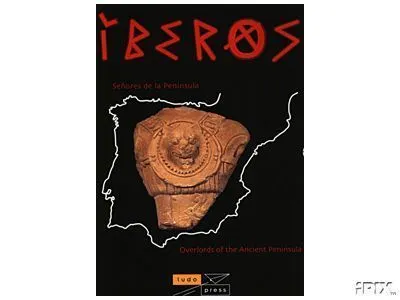
Iberos: Overlords of the Ancient Peninsula ist ein Brettspiel aus dem Jahr 2002 für 2 Personen, mit 120–600 Minuten pro Partie und ab 12 Jahren. Entwickelt wurde es von Javier Romero; die wichtigsten Mechaniken sind Variable Player Powers, Area Movement und Action Points.



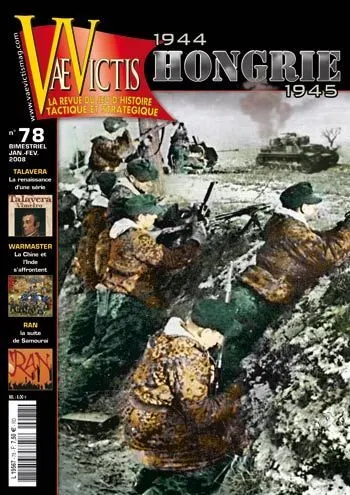

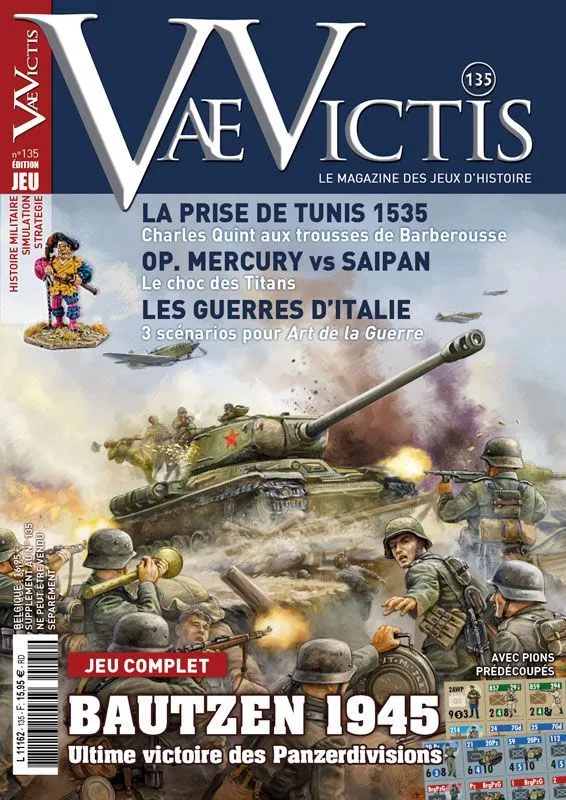

Auf Englisch
Extracted from consimworld.com: IBEROS is an operational simulation of low to medium complexity of warfare in the Ancient Peninsula. It is packaged in a slipcase box that includes one 60 x 52 cm map, 240 full-color die cut counters, one standard and scenario rules booklet, one historical commentary booklet, and two player aid cards. Game turns are one year each: after collecting silver and/or receiving it from Rome, you can pay your troops, recruit tribal levies, and perform other administrative functions. After that comes the Operations Phase. During it, each force (one or more Field Armies, Tribal Levies, etc) can perform certain operations, using Operation Points (OP). These actions include combat, diplomacy (you can try to control any area through diplomacy), besiege cities, pillage, recruit mercenaries, or build colonies. At the end of the Operations Phase, forces retire to winter quarters. The most outstanding features of the game are the Prestige Point Level and the differences between Regular and Irregular warfare. The Prestige Level (PP) simulates the prestige of the civilized armies (Punic, Romans, Sertorians) among the Iberian tribes, and the tendency of the latter to switch to the side that seems to be winning... Certain results of the CRTs add or decrease the PP level of each side. Then, if your PP level is above 2, you have positive die roll modifiers on the Diplomacy Table. And vice versa if your PP level is 0 or lower. Leaders play a key role since their modifiers are applied to retreat before combat, diplomacy, all kinds of combat, operations, interception, etc. Leaders are rated for Military and Diplomatic skills (The highest is Sertorius, with +3 +3). Roman leaders (Praetors, one each for Hispania Citerior and Hispania Ulterior) are changed randomly each year when they're elected by the Senate of Rome. If you have quality leaders, your chances of avoid/provoke combat are higher, and vice versa. The irregular, "hit and run" tactics of the inhabitants of the peninsula characterized the Roman conquest and were the cause why the Romans took 200 years to completely control all of Hispania. All combat units have Regular and Irregular Combat factors. The attacker can always choose which CRT he is going to use. The idea here was to simulate the asymmetrical war fought out between the Roman/Punic invaders and the native peoples. If you can impose your style of fighting, (the other can not avoid combat) then you have the edge over the enemy. The game is played in scenarios. There are 9, from the Punic reconquest of Iberia (237-221 BCE) to the Cantabria campaigns of Caesar Augustus (24-19 BCE). There are a set of common rules for all the scenarios, plus specific rules for each scenario. There are fast playing scenarios (such as the Roman Civil War, or the Cantabrian wars) that can be played in two-three hours, and other that take 6-10 hour of play (up to 17 turns, such as Cato's campaign of 195 BCE, or the II Lusitanian War). Each scenario has its own Random Events Table. Some of the Random Events included are: plague, Excellent/Bad Crops, Tribal Rebellions galore, bribing enemy mercenaries, Numidian rebellion (for the II Punic War scenario), Alliance with Mithridates (Sertorius War scenario), and more. Optional rules include assassination of enemy leaders (you must spend Operations Points and Treasury Points for that), Rivalry between Iberian tribes (The Romans took advantage of this to apply the "divide and conquer" routine), Mountain redoubts (Mons Vidius, Mons Medulius...), or troop upgrade.
Laut Katalog unterstützt Iberos: Overlords of the Ancient Peninsula 2 Personen. Das ist die vom Verlag angegebene Spielerzahl, das Spiel ist also genau für diese Anzahl von Mitspielenden ausgelegt. Varianten für andere Gruppengrößen sind, sofern vorhanden, in der Anleitung deiner Ausgabe beschrieben; prüfe sie, bevor du eine andere Konfiguration aufbaust.
Die angegebene Spieldauer für Iberos: Overlords of the Ancient Peninsula beträgt 120–600 Minuten. Das ist die Schätzung des Verlags für eine vollständige Partie. Die tatsächliche Dauer hängt von der Gruppe, der Personenzahl und der Regelkenntnis ab: Erste Partien dauern meist länger, erfahrene Gruppen sind oft schneller fertig. Aufbau und Regelerklärung sind in dieser Schätzung nicht enthalten.
Im Katalog wird Iberos: Overlords of the Ancient Peninsula ab 12 Jahren empfohlen. Das ist die Empfehlung des Verlags und berücksichtigt Leseanforderungen, Regelkomplexität und Kleinteile, nicht nur das Thema. Jüngere Kinder können oft mit Hilfe eines Erwachsenen mitspielen; beachte die Altersangabe deiner Ausgabe und die Brettspielerfahrung deiner Gruppe.
Iberos: Overlords of the Ancient Peninsula hat bei BoardGameGeek eine Komplexitätswertung von 2,9 von 5 und gilt damit als eher leichtes Spiel. Die Wertung zeigt, wie viel Regelwissen, Planung und Entscheidungen eine typische Partie verlangt. Schwerere Spiele brauchen bei der ersten Erklärung mehr Zeit, daher hilft vor dem Spieleabend eine Vorbereitungsanleitung.
Iberos: Overlords of the Ancient Peninsula gehört zu diesen Kategorien: Economic, Wargame und Political. Die wichtigsten Mechaniken sind Variable Player Powers, Area Movement und Action Points. Kategorien beschreiben Thema und Setting eines Spiels, Mechaniken dagegen, was die Spielenden in ihrem Zug tatsächlich tun. Jede Mechanik führt zu einer Katalogseite mit ähnlichen Spielen, falls du etwas Vergleichbares suchst.
Als Autoren von Iberos: Overlords of the Ancient Peninsula sind angegeben: Javier Romero. Diese Angaben stammen aus den veröffentlichten Spieldaten und nennen die für das Spieldesign verantwortlichen Personen, nicht die Illustratoren oder Verlage. Die Autorenseiten auf MeepleRules sammeln weitere Titel derselben Autoren – praktisch, wenn dir ein Spiel gefällt und du ähnliche Spiele suchst.
Im Katalog ist Iberos: Overlords of the Ancient Peninsula als Grundspiel aufgeführt. Es lässt sich eigenständig mit dem Material aus der Schachtel spielen und benötigt keinen weiteren Titel. Erweiterungen, sofern es welche gibt, ergänzen neues Material oder neue Regeln und sind im Katalog separat mit einem Verweis auf dieses Grundspiel aufgeführt.